Understanding Your Dog's Anal Glands: A Guide to Health and Care
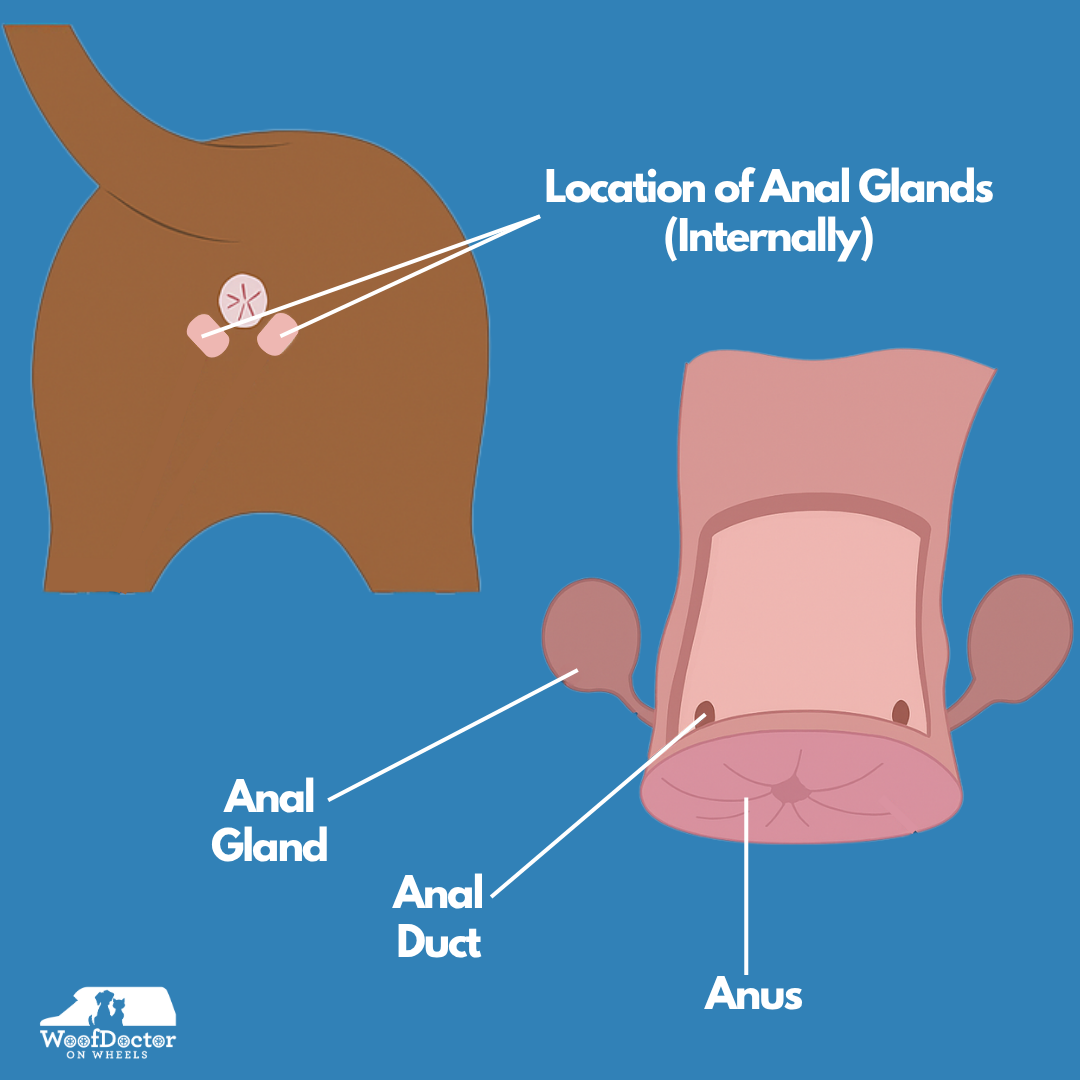
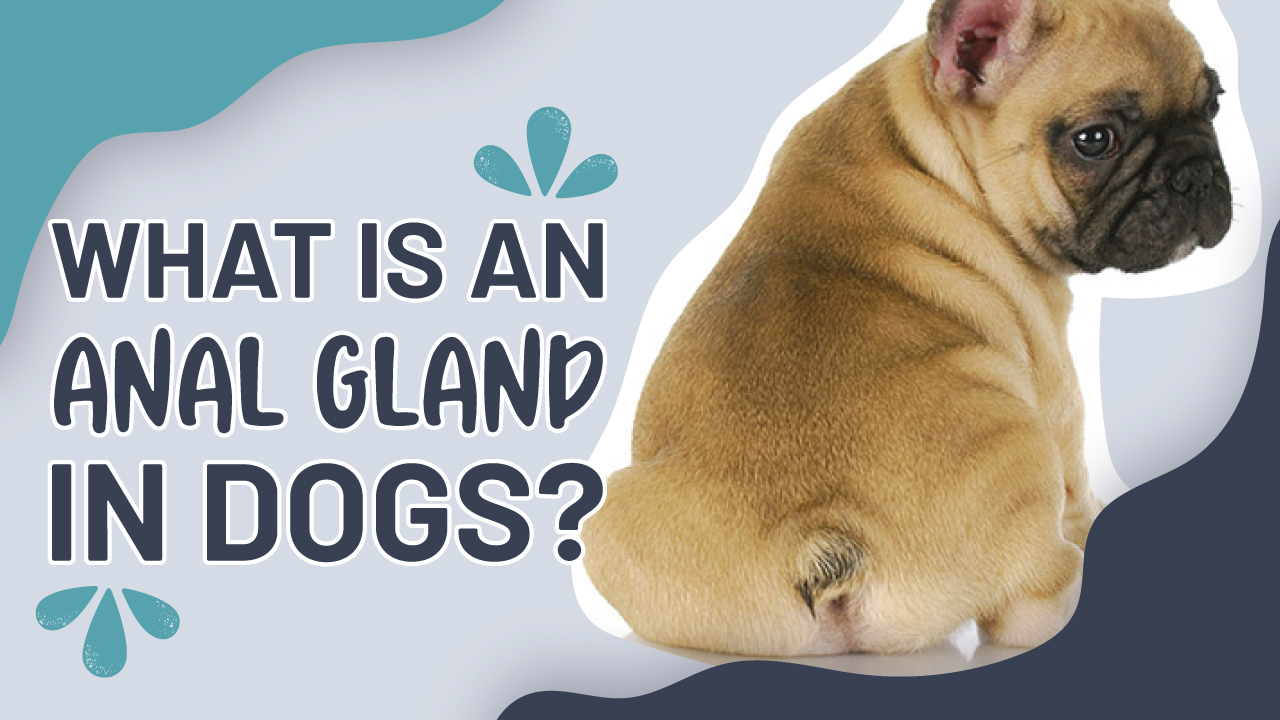
The anal glands, also known as anal sacs, are a crucial part of your dog's overall health and well-being. Located on either side of the anus, these small glands produce a pungent fluid that helps mark territory and communicate with other dogs. However, when these glands become impacted or infected, it can lead to a range of issues, from scooting and discomfort to pain and even infections.
What Are Anal Gland Impactions?
Anal gland impaction occurs when the anal sacs fail to empty properly during defecation, causing the gland's fluid to build up and thicken into a firm paste. This can lead to a range of symptoms, including:
- Scooting or dragging the hindquarters on the ground
- Swollen or red anal glands
- Discharge or bleeding from the anus
- Pain or discomfort when defecating
Ignoring these symptoms can lead to more serious issues, such as infections or ruptures, which may require surgical intervention. It's essential to understand the warning signs and take preventative measures to maintain your dog's anal gland health.
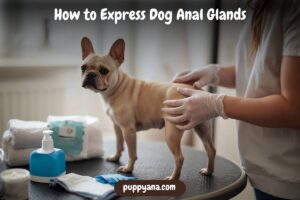
How to Express a Dog's Anal Glands Without Causing Pain
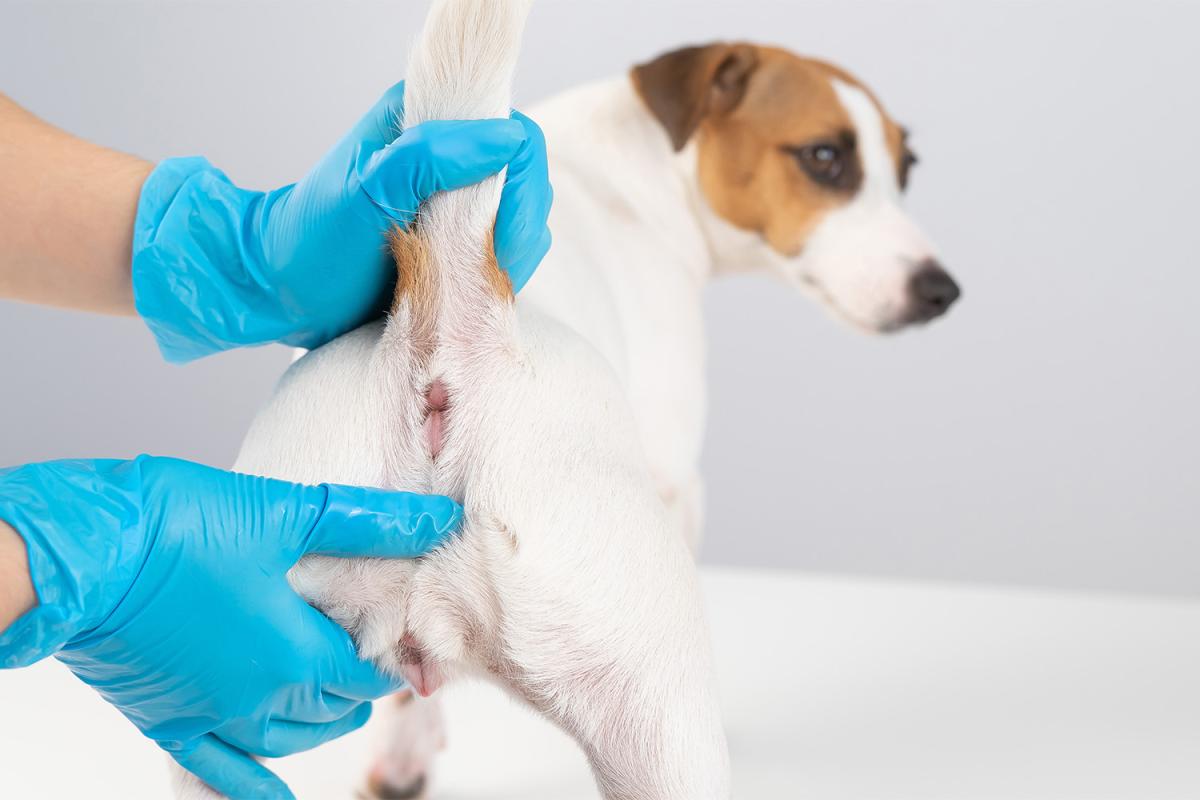
Expressing your dog's anal glands at home can be a delicate process, requiring gentle and careful technique to avoid causing injury or pain. Here are some tips to help you safely express your dog's anal glands:
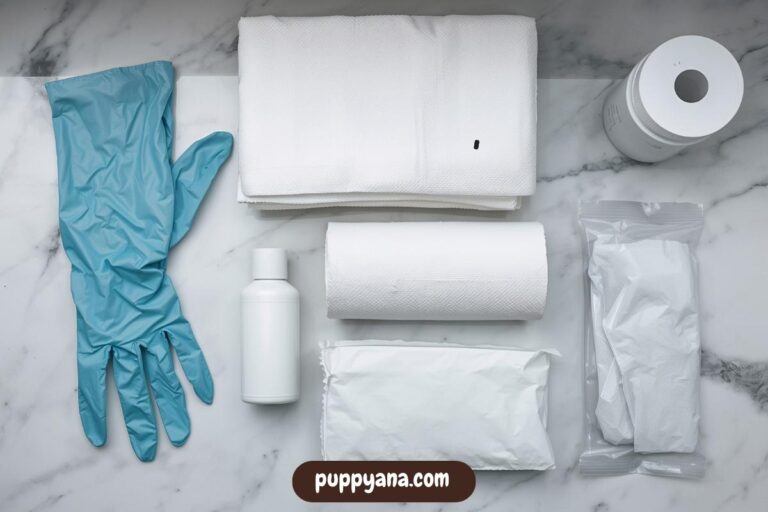
- Use gloves to protect yourself from the pungent fluid
- Apply lubricant to the anal gland area to reduce discomfort
- Express the gland gently, using a milking motion, rather than squeezing
- Be gentle and avoid applying too much pressure, which can cause pain and injury
- Use a tissue or cloth to catch any discharge to prevent staining
It's crucial to note that expressing your dog's anal glands should only be done when necessary, and with proper guidance from a veterinarian. Routine expression can lead to scarring and prevent the glands from expressing naturally.
What to Do If Your Dog's Anal Glands Become Impacted
If your dog's anal glands become impacted, it's essential to seek veterinary attention promptly. Your veterinarian may recommend:
- Expressing the gland under sedation or anesthetics
- Draining the gland to relieve pressure
- Administering antibiotics to prevent infection
- Prescribing dietary changes or supplements to promote healthy anal gland function
Understanding your dog's anal gland health and knowing when to take action can help prevent discomfort, pain, and serious health issues. By following these guidelines and consulting with your veterinarian, you can keep your dog comfortable and healthy, and prevent the need for surgical intervention.
Preventing Anal Gland Issues in Dogs
Preventing anal gland issues in dogs can be achieved through a combination of diet, exercise, and regular veterinary check-ups. Here are some tips to help promote healthy anal gland function:
- Feed a high-fiber diet to help promote natural expression
- Encourage regular exercise and physical activity
- Provide regular anal gland expression under veterinary guidance
- Monitor for signs of anal gland impaction or infection
By understanding your dog's anal gland health and taking preventative measures, you can keep your dog comfortable, happy, and healthy. If you have any concerns or questions, consult with your veterinarian for personalized advice and guidance.

![How to Express Dog Anal Glands at Home: Step-by-Step [2026]](https://cdn.shopify.com/s/files/1/1415/0728/files/BLOG_DOG-ANAL-GLANDS-EXPRESSING_INFOGRAPHIC.jpg?v=1757341660 "How to Express Dog Anal Glands at Home: Step-by-Step [2026]")