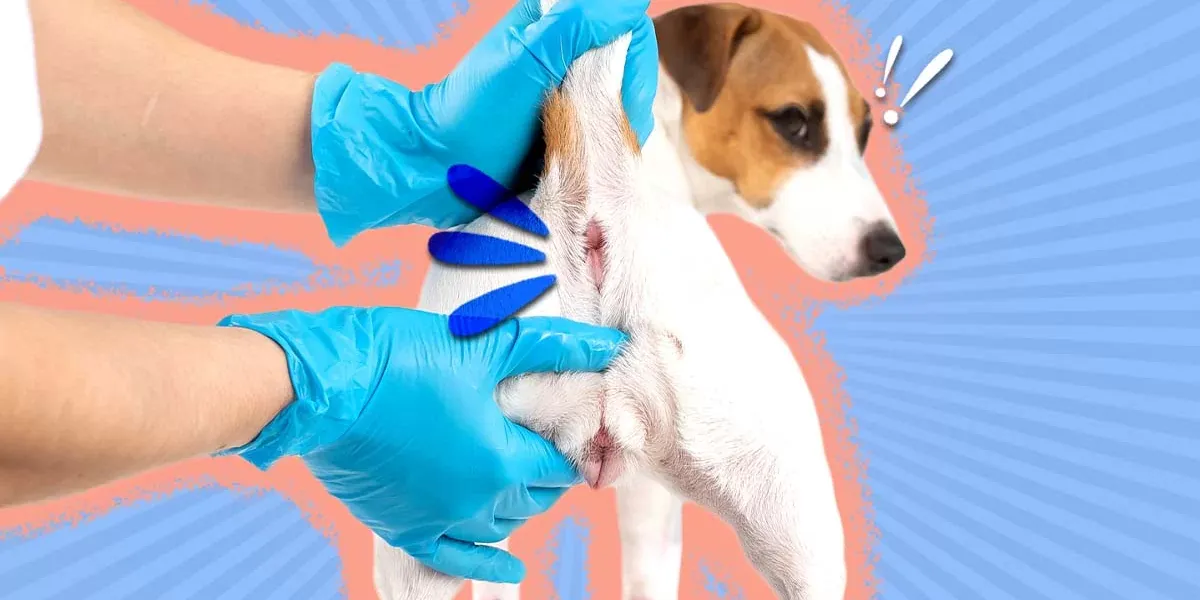
How to Express a Dog's Anal Glands when they are Swollen
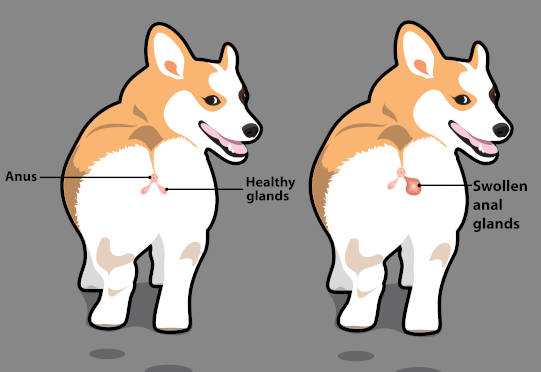
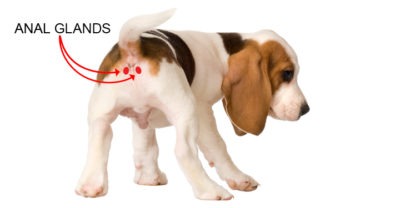
Dogs' anal glands are two small sacs located on either side of the anus, responsible for producing a strong-smelling liquid that they use for scent marking and communication. When a dog's anal glands become swollen, they can cause discomfort and health issues if not treated promptly. Expressing a dog's anal glands can be a gross and smelly task, but it's essential to know how to do it safely and effectively.
Understanding Anal Glands
Anal glands, also known as anal sacs, are small paired sacs located on either side of a dog's anus. They produce a foul-smelling fluid used for territory marking and communication among dogs. In healthy dogs, these glands empty naturally during defecation. However, problems can occur when the glands become impacted or infected, causing discomfort and health issues.
Signs Your Dog Needs Anal Gland Expression
Here are some common signs that indicate a dog needs anal gland expression:
- Scooting or dragging their bottom on the ground
- Straining or whining while defecating
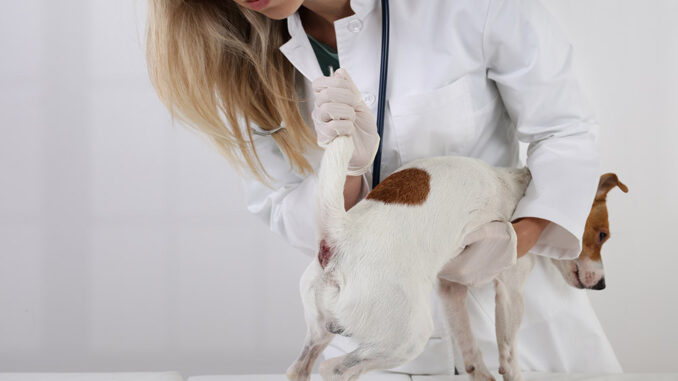
- Anal gland swelling or enlargement
- Discharge or odor from the anus
- Redness or irritation around the anus
- Loss of appetite or lethargy
If you notice any of these symptoms in your dog, it's essential to consult with a veterinarian to determine the best course of action.
How to Express a Dog's Anal Glands at Home
While it's always best to consult a veterinarian or professional groomer for anal gland expression, there are some tips to help you do it safely at home:
Preparation
- Have all the necessary supplies, such as gloves, saline solution, and a towel
- Make sure your dog is comfortable and relaxed
- Choose a quiet and calm environment
The Expression Process
- Wear gloves to protect yourself from bacteria and odor
- Handle your dog gently and carefully
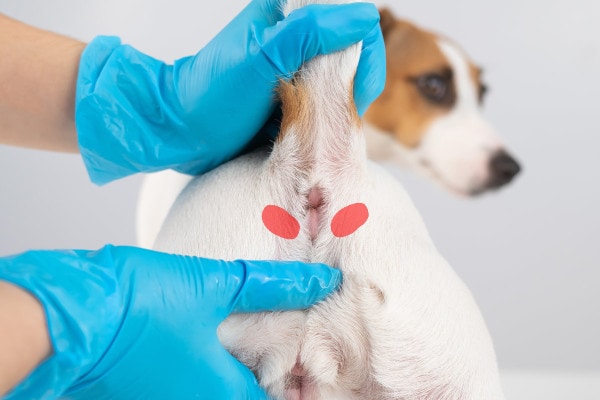
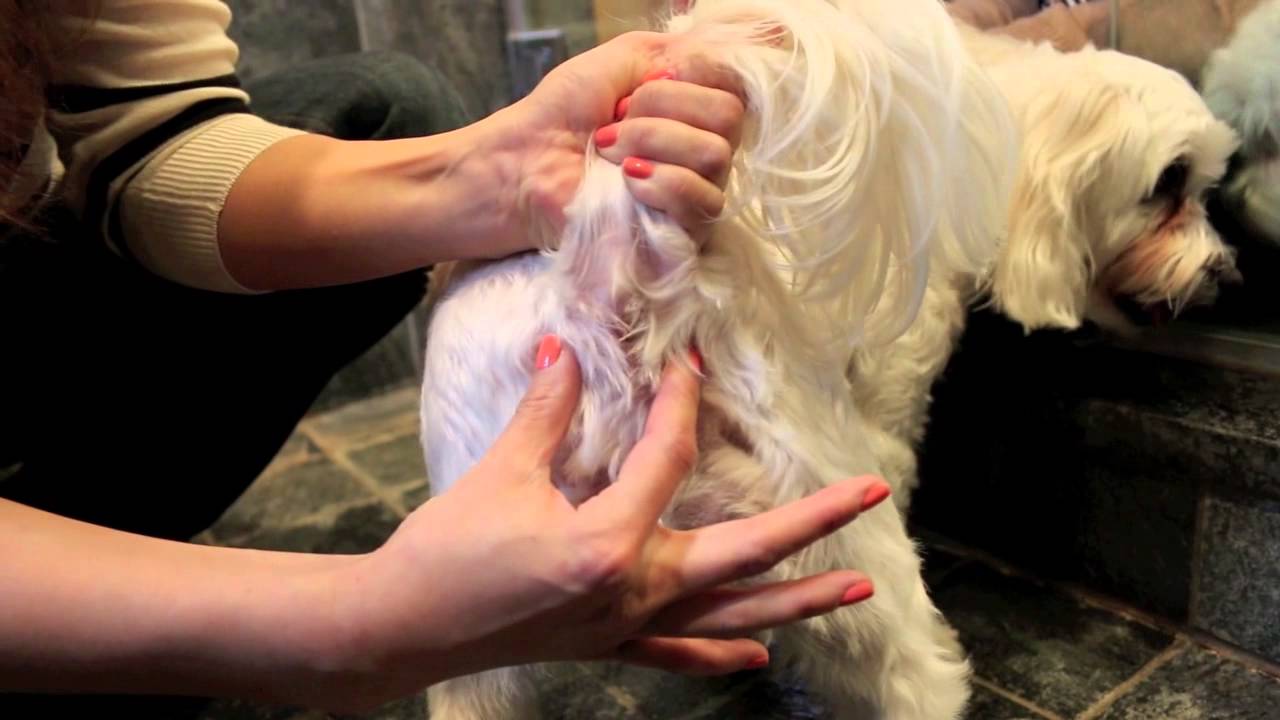
- Locate the anal glands, roughly at the 4 and 8 o'clock positions
- Apply gentle pressure to the gland, holding the skin on either side
- Release any fluid that accumulates
Remember, this process can be unpleasant for your dog, and it's crucial to be patient and gentle. If you're unsure or uncomfortable expressing your dog's anal glands at home, consult a veterinarian or professional groomer for assistance.
Prevention and Maintenance
Preventative care and regular monitoring are key to keeping your dog's anal glands healthy and clear. Here are some tips:
- Feed a balanced diet rich in fiber to encourage regular bowel movements
- Ensure proper hydration and a high-fiber diet
- Provide regular exercise and mental stimulation to reduce stress
- Monitor your dog's anal glands regularly for signs of swelling or infection
When to Seek Veterinary Help
Even with preventative care, it's essential to consult a veterinarian if you notice any of the signs mentioned above or if you're unsure about anal gland expression. Your veterinarian can diagnose any underlying issues and provide guidance on the best course of treatment.
Conclusion
Expressing a dog's anal glands when they're swollen can be a crucial task to ensure your furry friend's comfort and overall well-being. By understanding the signs, following the expression process, and taking preventative measures, you can help maintain your dog's anal gland health and prevent issues from arising in the future.