Getting a Job in the Food Industry: A Guide to Unlocking Your Culinary Dreams
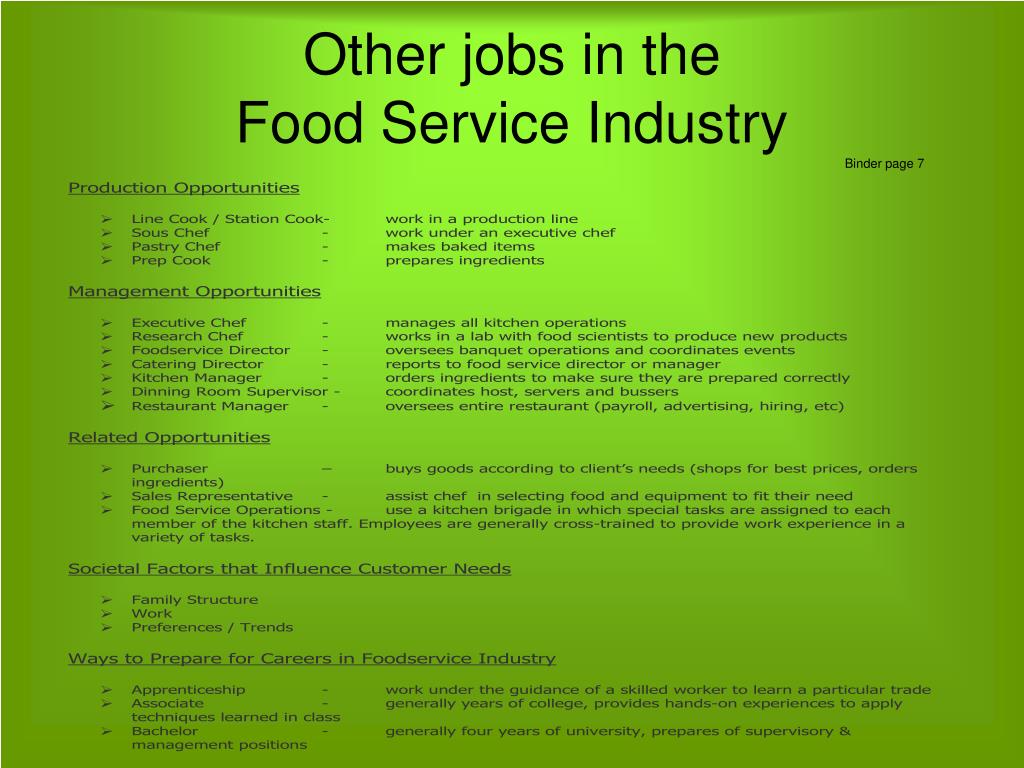
The food industry is a vibrant and diverse sector that offers a wide range of career opportunities. Whether you're passionate about cooking, want to explore the world of food science, or aspire to be a part of the culinary scene, there's a niche within this thriving sector for you. In this article, we'll guide you through the steps to secure a job in the food industry, from understanding the industry to gaining experience and creating a successful job search strategy.
Understanding the Food Industry
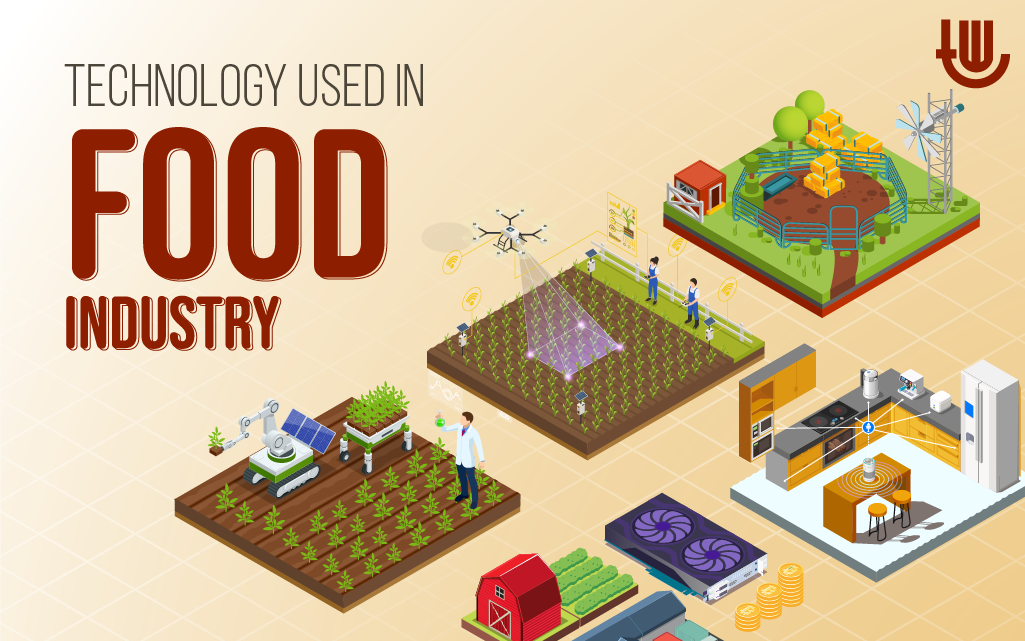
The food industry encompasses a vast array of activities, from farming and food processing to distribution, retail, and service. It's a dynamic sector that is constantly evolving, with new trends, technologies, and regulations emerging all the time. To get a job in the food industry, it's essential to have a good understanding of the different segments of the industry, the key players involved, and the emerging trends and opportunities.
The Various Segments of the Food Industry
The food industry can be broadly divided into the following segments:
Farming and agriculture: This segment involves the cultivation of crops and the raising of livestock.
Food processing: This segment involves the transformation of raw ingredients into finished products, such as canned goods, baked goods, and snacks.
Distribution and logistics: This segment involves the transportation and storage of food products from the manufacturer to the consumer.
Retail and service: This segment involves the sale of food products to consumers through supermarkets, restaurants, and other food service providers.
Gaining Experience
Gaining experience is a crucial step in getting a job in the food industry. There are several ways to gain experience, including:
Internships: Internships are a great way to gain hands-on experience in the food industry. Many companies offer internships to students and recent graduates.
Volunteering: Volunteering for a food-related organization or event is a great way to gain experience and make connections in the industry.
Part-time or entry-level jobs: Taking on a part-time or entry-level job in the food industry is a great way to gain experience and build your CV.

Developing Your Skills
To succeed in the food industry, you'll need to develop a range of skills, including:
Cooking and kitchen management: If you want to work in a restaurant or other food service setting, you'll need to have cooking and kitchen management skills.
Food safety and hygiene: You'll need to understand food safety and hygiene practices to ensure that food is handled and prepared safely.
Sales and marketing: If you want to work in a retail or distribution setting, you'll need to have sales and marketing skills to promote and sell food products.
Leadership and management: As you progress in your career, you may take on leadership and management roles, so it's essential to develop these skills.
Getting a Job in the Food Industry
Getting a job in the food industry can be competitive, but by following these steps, you can increase your chances of success:
Research the industry: Do your research on the food industry, including the different segments, key players, and emerging trends and opportunities.
Network: Network with people in the industry to learn more about job opportunities and get advice on how to break in.
Build your CV: Build a strong CV that showcases your experience, skills, and education.
Apply for jobs: Apply for jobs that match your skills and experience, and be prepared to follow up with a cover letter or phone call to express your interest.
Conclusion
Getting a job in the food industry requires a combination of skills, qualifications, and strategies. By understanding the industry, gaining experience, developing your skills, and utilizing effective job search strategies, you can increase your chances of success in this vibrant and diverse sector. Whether you dream of being a chef, a food scientist, or a sales and marketing representative, there's a niche within this thriving sector for you.