Understanding E Motorcycle Battery Types
With the increasing popularity of electric motorcycles, choosing the right battery type has become a crucial decision for riders and enthusiasts. In this article, we will delve into the different types of e-motorcycle batteries, their advantages and disadvantages, and factors to consider when selecting the best battery for your ride.
Types of E Motorcycle Batteries
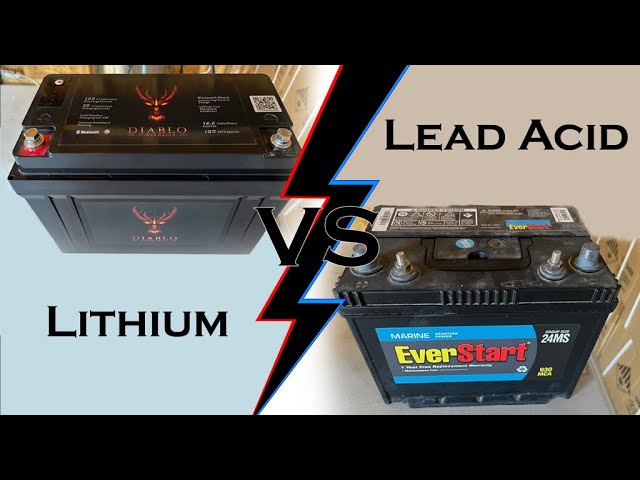
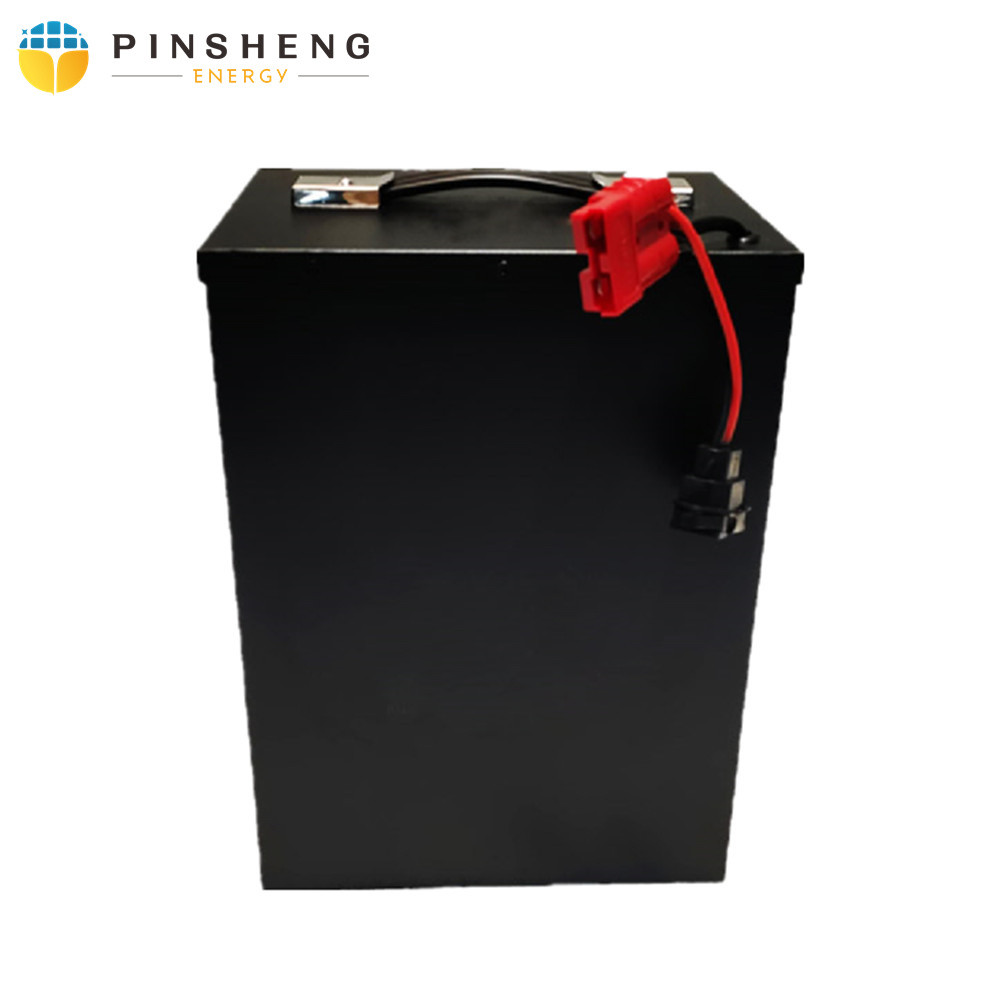
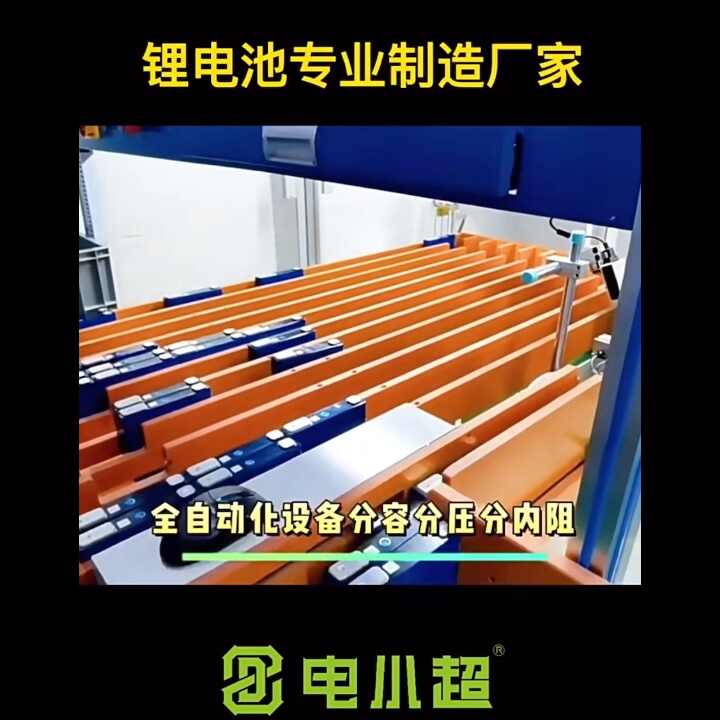
Lithium-ion batteries are the most popular choice for e-motorcycles due to their high energy density, lightweight design, and long lifespan. They are available in various formats, including lithium-iron phosphate (LiFePO₄) and lithium-nickel-manganese-cobalt oxide (NMC) batteries, each offering different characteristics and benefits.
- LiFePO₄ batteries: Highly durable and resistant to overheating, with a long lifespan and easy recyclability.
- NMC batteries: High energy density and fast charging capabilities, but with a shorter lifespan compared to LiFePO₄.
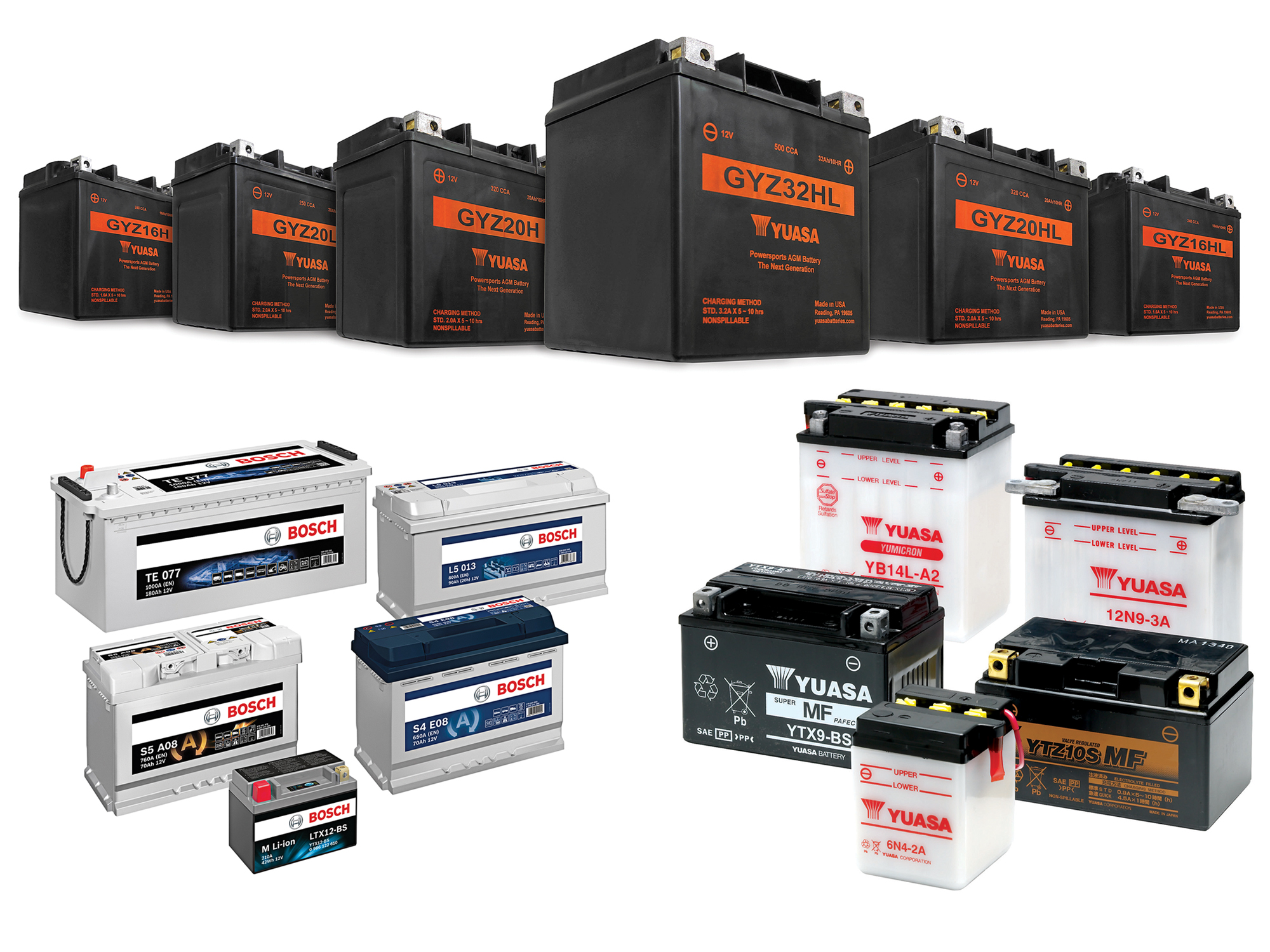
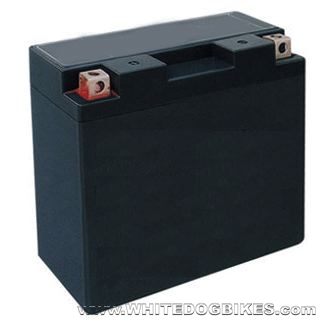
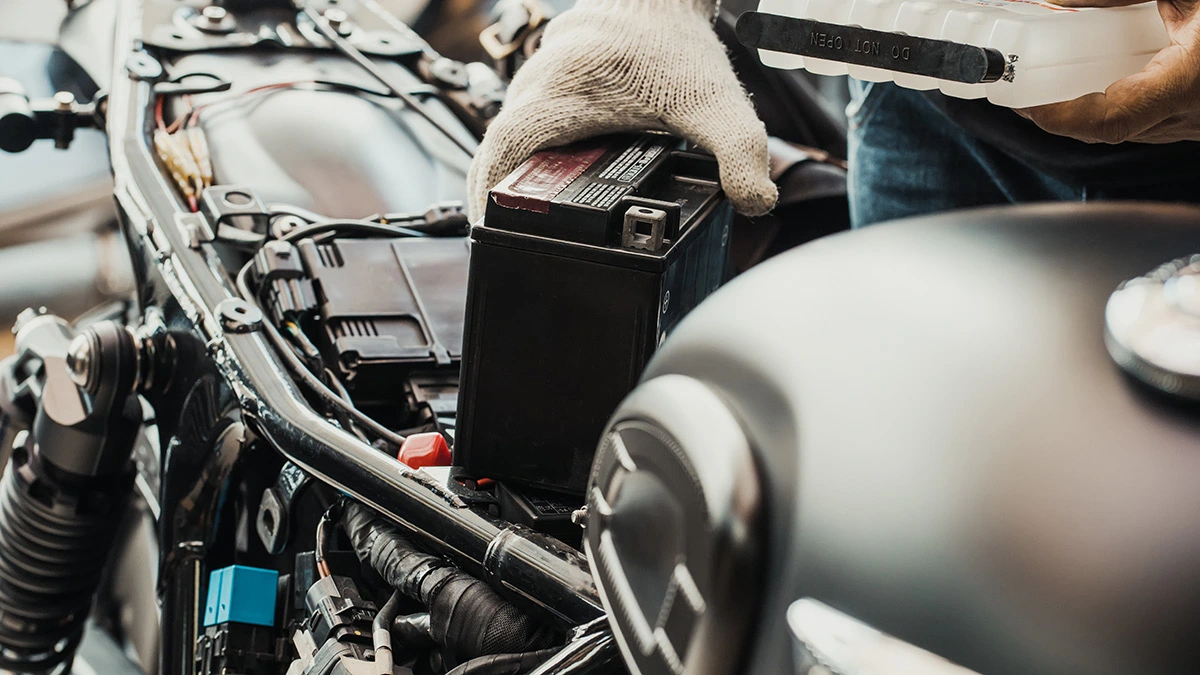
Lead-acid batteries are another option for e-motorcycles, offering a more affordable price point and relatively simple design. However, they have a lower energy density and shorter lifespan compared to lithium-ion batteries.
- Lead-acid batteries: Inexpensive and widely available, but with a lower energy density and shorter lifespan.
Other battery types, such as zinc-air and sodium-ion batteries, are emerging as potential alternatives to traditional lithium-ion batteries. These new technologies promise improved performance, safety, and sustainability, but are still in the early stages of development.
- Zinc-air batteries: High energy density and potential for reduced costs, but with limited availability and short lifespan.
- Sodium-ion batteries: Improved safety and sustainability, but with lower energy density and limited production.

Key Considerations for Choosing an E Motorcycle Battery
When selecting an e-motorcycle battery, consider the following factors:
- Capacity: Measure of the battery's energy storage, usually measured in watt-hours (Wh) or amp-hours (Ah).
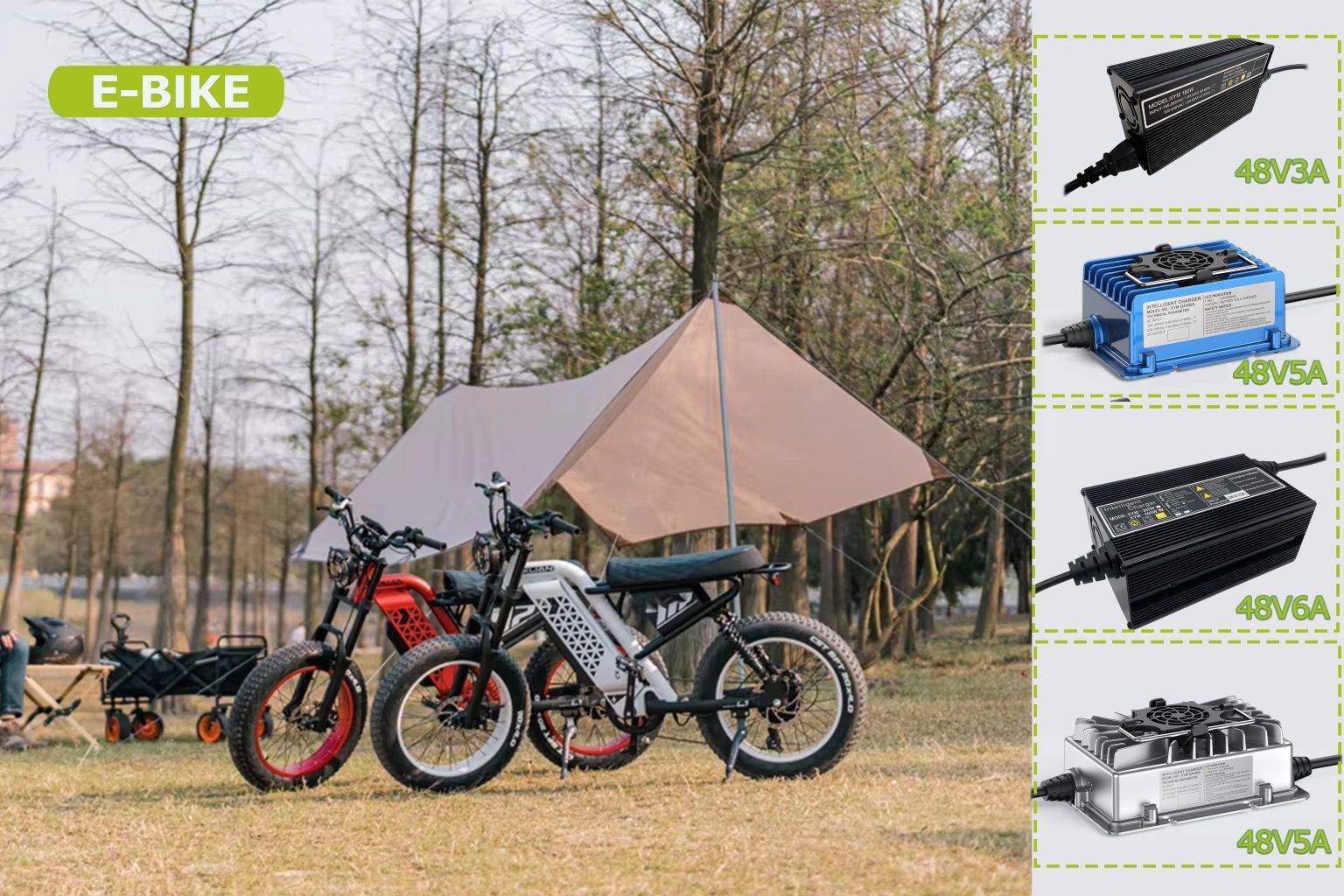
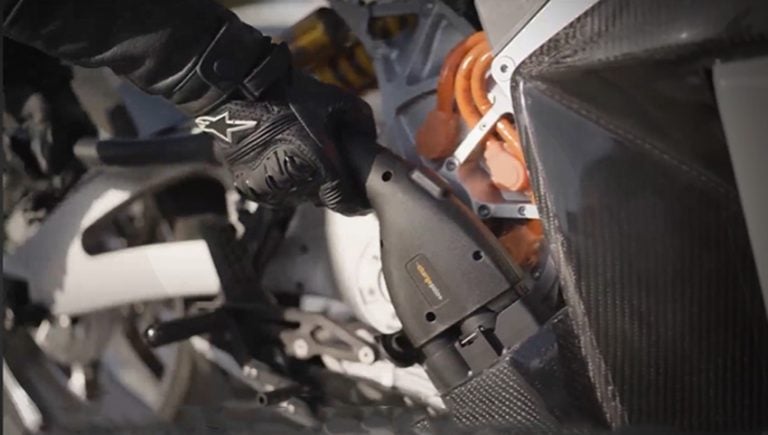
- Charging time: Time it takes for the battery to reach full charge, typically influenced by the charging method and battery type.
- Efficiency: Ratio of energy output to energy input, with higher efficiency resulting in longer range and decreased heat generation.
- Cost: Battery cost, including upfront price and long-term maintenance expenses.
Best Practices for Using E Motorcycle Batteries
To maximize the lifespan and performance of your e-motorcycle battery:
- Choose the right battery type for your ride and riding style.
- Follow the manufacturer's charging instructions and guidelines.
- Monitor the battery's state of charge and temperature.
- Perform regular maintenance, including cleaning and checking connections.
Conclusion
The right e-motorcycle battery is essential for a smooth, enjoyable ride and optimal performance. By understanding the different types of batteries available, their characteristics, and key considerations for selection, you can make an informed decision and choose the best battery for your ride.