Can I Use Baking Powder Instead of Baking Soda? A Comprehensive Guide
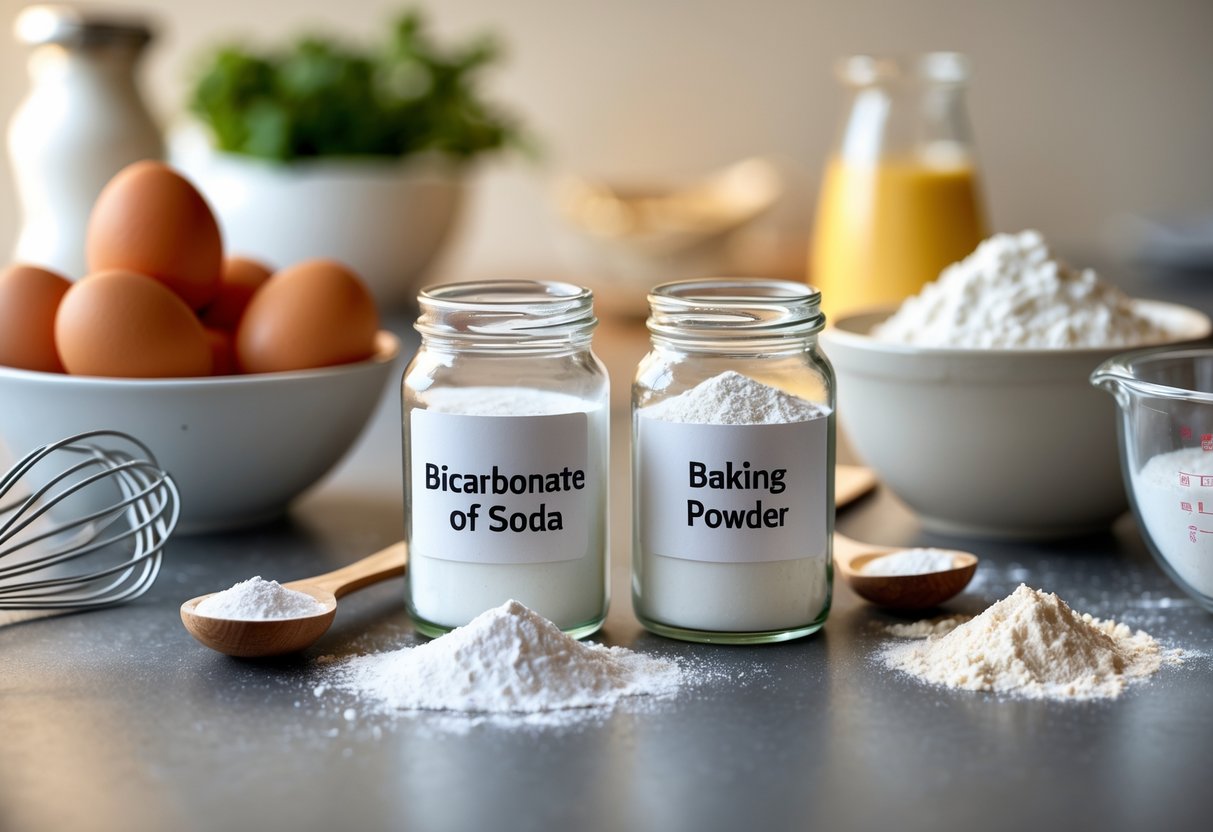
Baking soda and baking powder are two common leavening agents used in baking, but they are not interchangeable. While baking soda is a base that requires an acid to activate, baking powder is a mixture of baking soda and an acid that is designed to release gas more slowly. In this article, we will explore the differences between baking soda and baking powder and provide guidance on how to substitute one for the other in recipes.
The Science Behind Baking Soda and Baking Powder
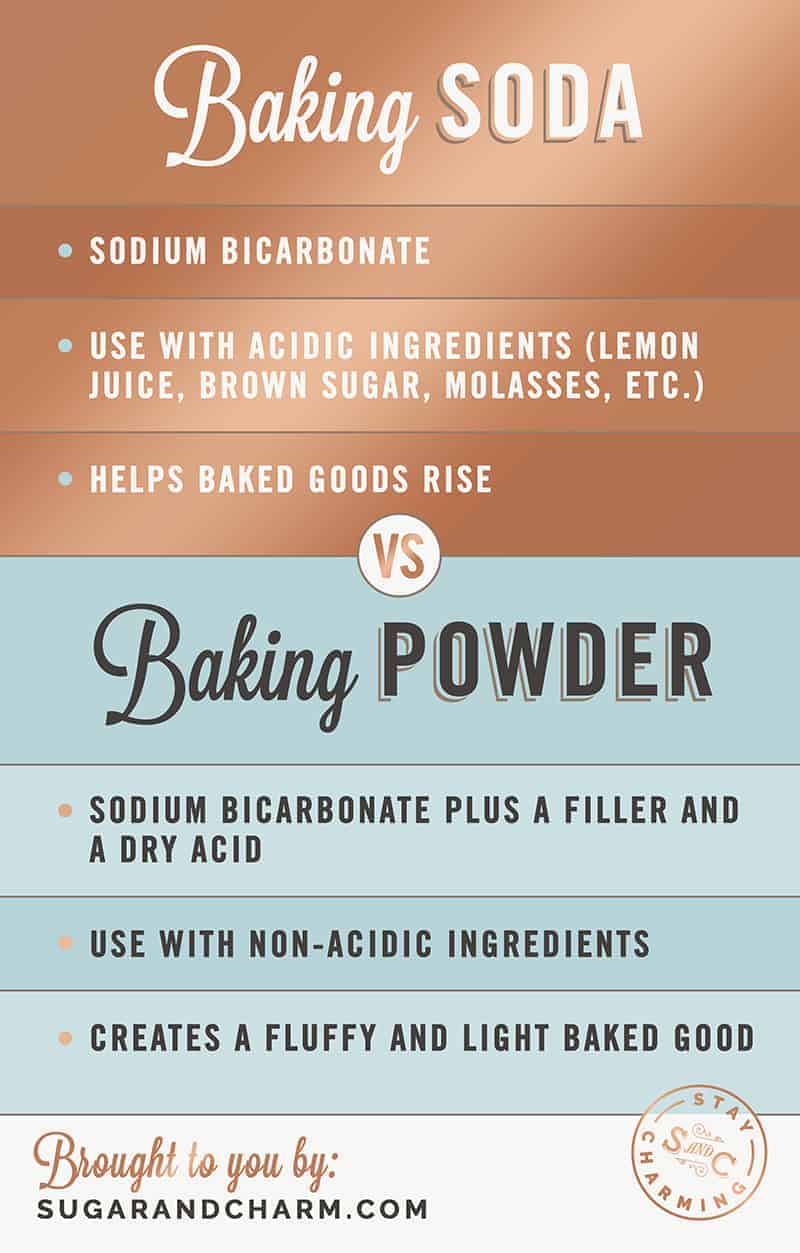
Baking soda, also known as sodium bicarbonate, is a base that releases carbon dioxide gas when it comes into contact with an acid and a liquid. This reaction is known as an acid-base reaction, and it is what causes baked goods to rise. Baking powder, on the other hand, is a mixture of baking soda and an acid, usually cream of tartar, that is designed to release gas more slowly over time.
The Differences Between Baking Soda and Baking Powder
There are several key differences between baking soda and baking powder. Baking soda is a more potent leavening agent than baking powder, and it requires an acid to activate. Baking powder, on the other hand, is a more gentle leavening agent that is designed to release gas more slowly over time. Additionally, baking powder contains an acid that is already built-in, so it doesn't require an additional acid to be added to the recipe.
Substituting Baking Powder for Baking Soda
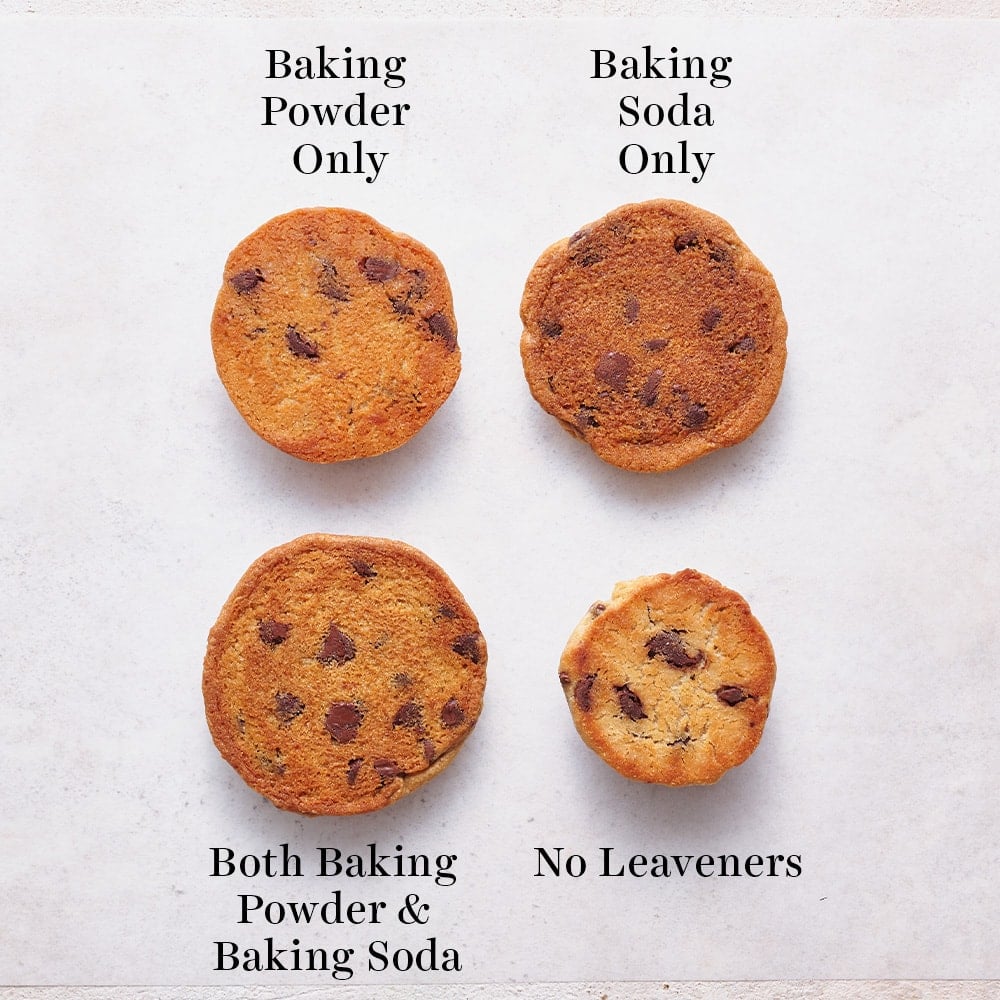
Substituting baking powder for baking soda can be a bit tricky, as it requires a bit of math and understanding of the chemistry behind leavening agents. The general rule of thumb is to use three times the amount of baking powder as you would baking soda. So, if a recipe calls for 1 teaspoon of baking soda, you would use 3 teaspoons of baking powder. However, it's worth noting that this substitution may affect the flavor and texture of your baked goods.
Substituting Baking Soda for Baking Powder

Substituting baking soda for baking powder is a bit more complicated, as it requires adding an acid to the recipe. The general rule of thumb is to use 1/4 teaspoon of baking soda for every 1 teaspoon of baking powder, and to add an acid such as cream of tartar, lemon juice, or vinegar to the recipe. It's worth noting that this substitution may also affect the flavor and texture of your baked goods.
Why You Can't Always Use Baking Powder Instead of Baking Soda
There are several reasons why you can't always use baking powder instead of baking soda. First and foremost, baking soda is a more potent leavening agent than baking powder, and it requires an acid to activate. Baking powder, on the other hand, is a more gentle leavening agent that is designed to release gas more slowly over time. Additionally, baking soda has a different chemical makeup than baking powder, and substituting one for the other may affect the flavor and texture of your baked goods.
When to Use Baking Soda vs. Baking Powder
So, when should you use baking soda and when should you use baking powder? The answer is that it depends on the recipe. If a recipe calls for baking soda, it's likely because it's a more potent leavening agent that is needed to produce a light and fluffy texture. If a recipe calls for baking powder, it's likely because it's a more gentle leavening agent that is designed to release gas more slowly over time.
Conclusion
In conclusion, while baking soda and baking powder are both leavening agents, they are not interchangeable. Baking soda is a more potent leavening agent that requires an acid to activate, while baking powder is a more gentle leavening agent that is designed to release gas more slowly over time. By understanding the differences between these two leavening agents and how to substitute one for the other, you can create a wide range of delicious baked goods.