Removing Matted Hair from a Cat with a Skin Condition
As a cat owner, there's nothing more disturbing than discovering a clump of matted fur on your normally silky-smooth-coated kitty. However, it's essential to act quickly, as matting can lead to skin irritation, discomfort, and even infections. Understanding the underlying skin condition is crucial in providing the necessary care to prevent and remove matted fur.
Causes of Matted Fur in Cats
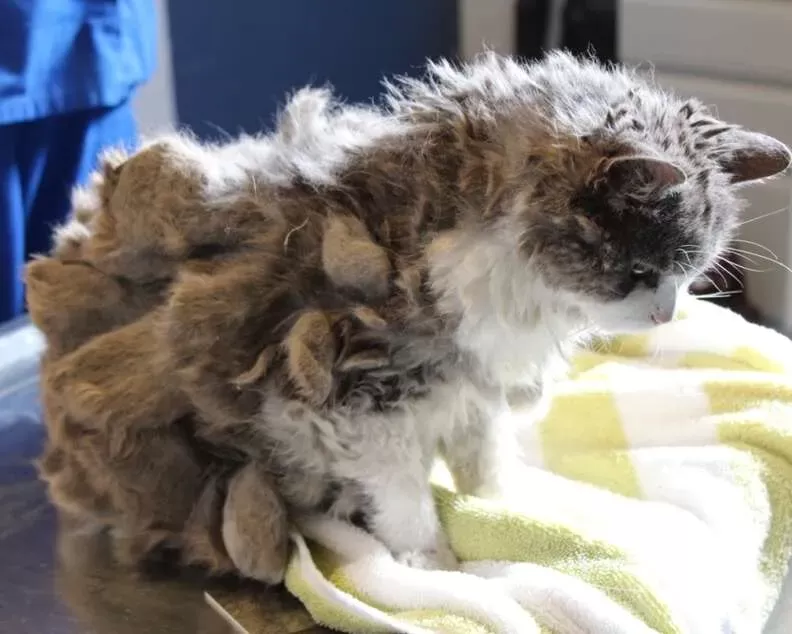
Matted fur occurs when hair tangles and knots, forming tight clumps that can be painful to remove. This condition can affect cats of all ages, breeds, and sizes, although it's more common in long-haired cats. The matting can be caused by a variety of factors, including:
- Poor grooming and infrequent brushing
- Health issues such as skin allergies, nutritional deficiencies, or diseases
- Excessive oil production in the skin, which prevents natural hair shedding
Why Removing Matted Hair is Crucial
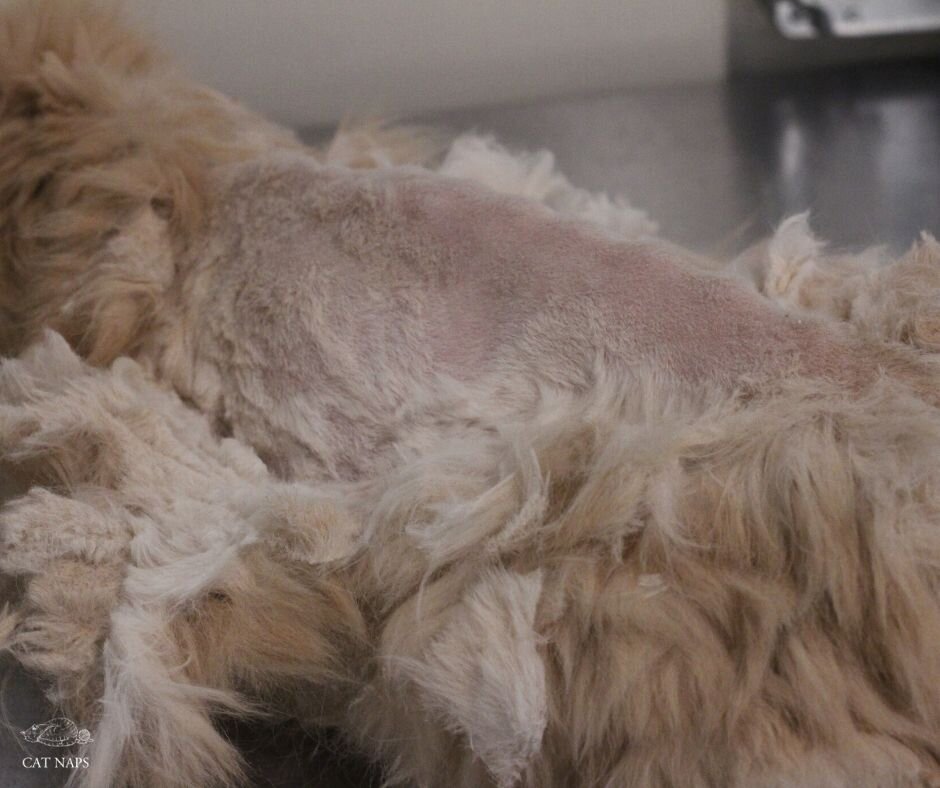
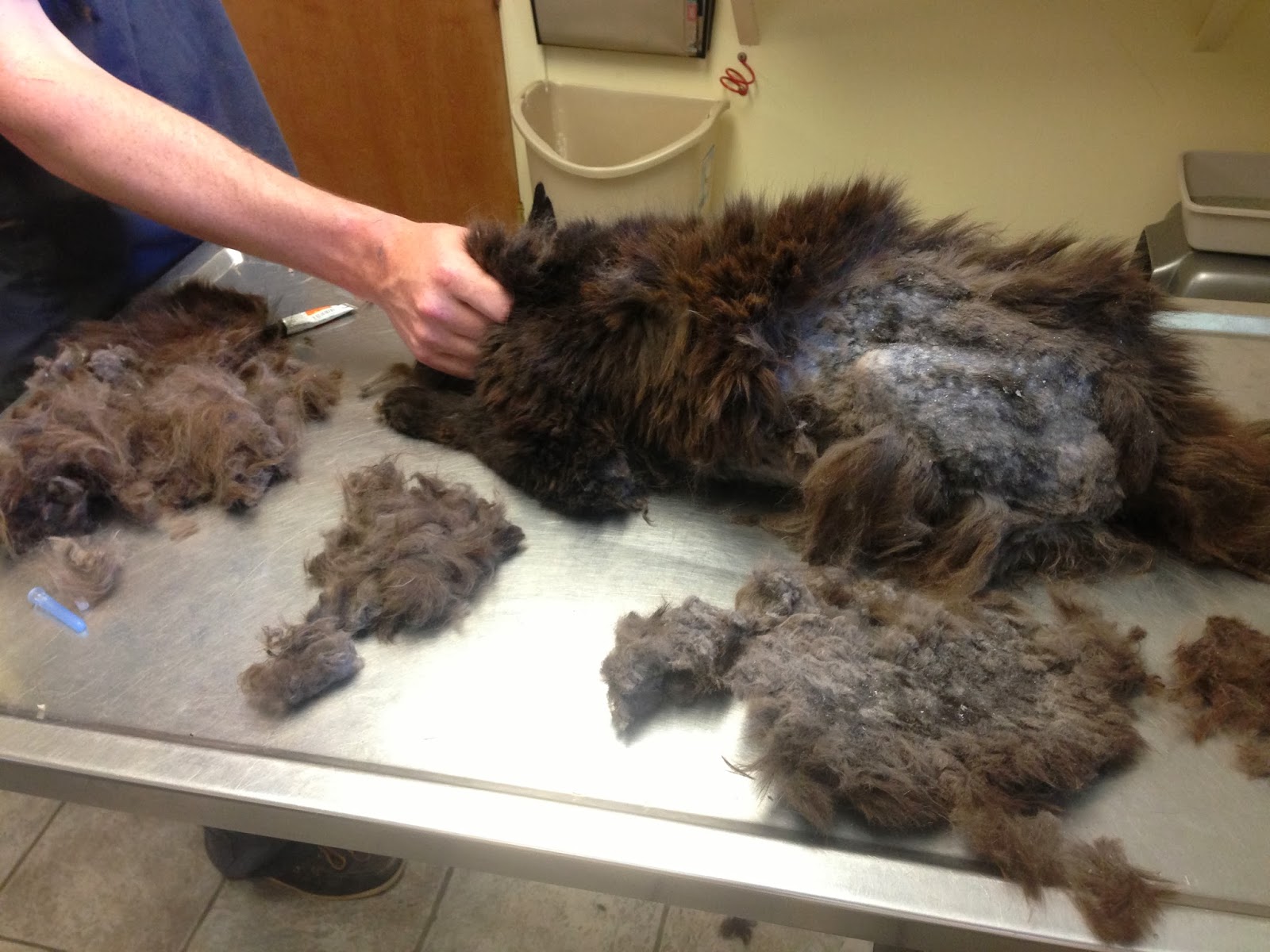
Removing matted hair from a cat with a skin condition requires patience, gentle techniques, and understanding of feline anatomy to avoid causing pain or skin damage. Failure to address matted fur can lead to:
- Skin irritation and discomfort
- Restricted movement
- Trapped moisture, which can lead to skin infections
- Health issues such as skin allergies, disease, or parasite infestations
Preventing Mats from Forming
To prevent mats from forming, it's essential to establish a regular grooming routine that includes:
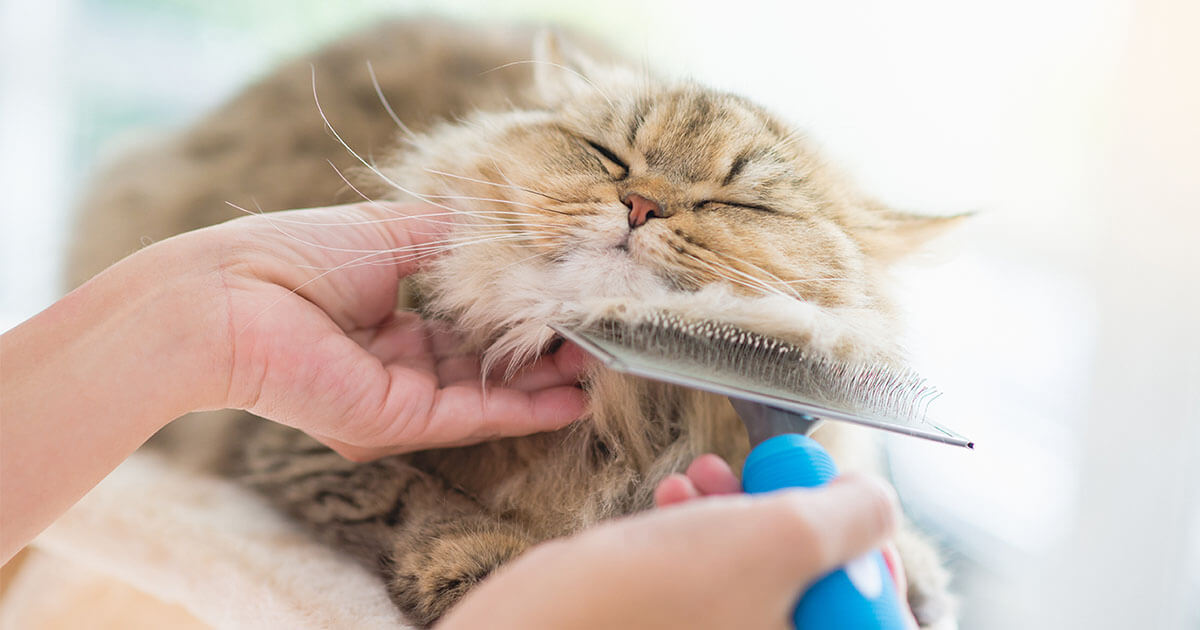
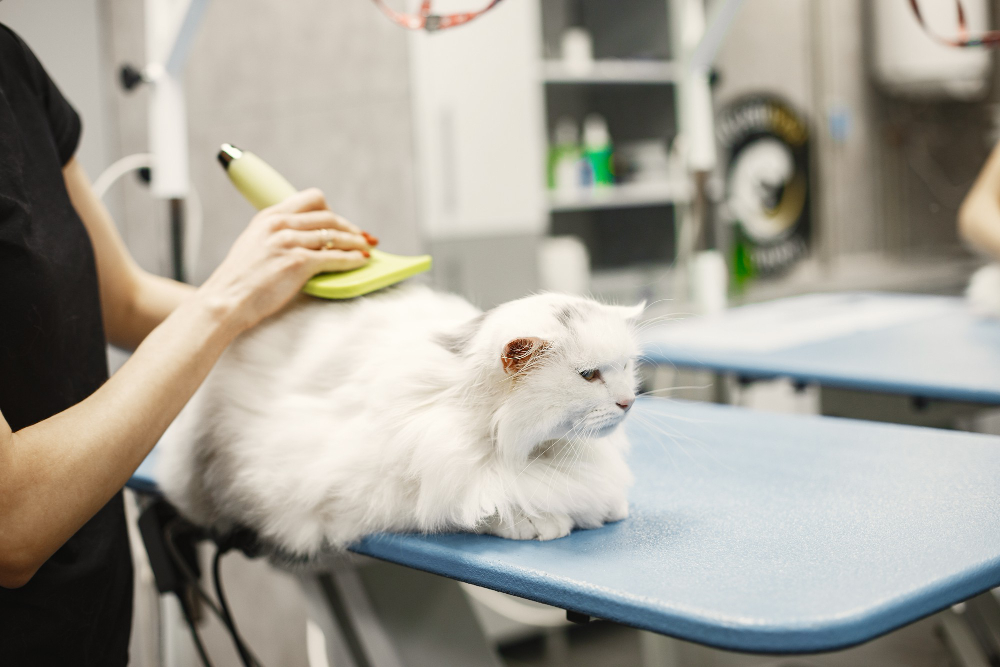
- Brushing your cat regularly with a gentle-bristled brush or a slicker brush to remove loose hair and prevent matting
- Using a detangling spray or conditioning spray to make grooming easier and reduce tangling
- Providing a high-fiber diet to aid in the natural elimination of hairballs
- Monitoring your cat's overall health and addressing any skin conditions or healthcare issues that may affect the coat
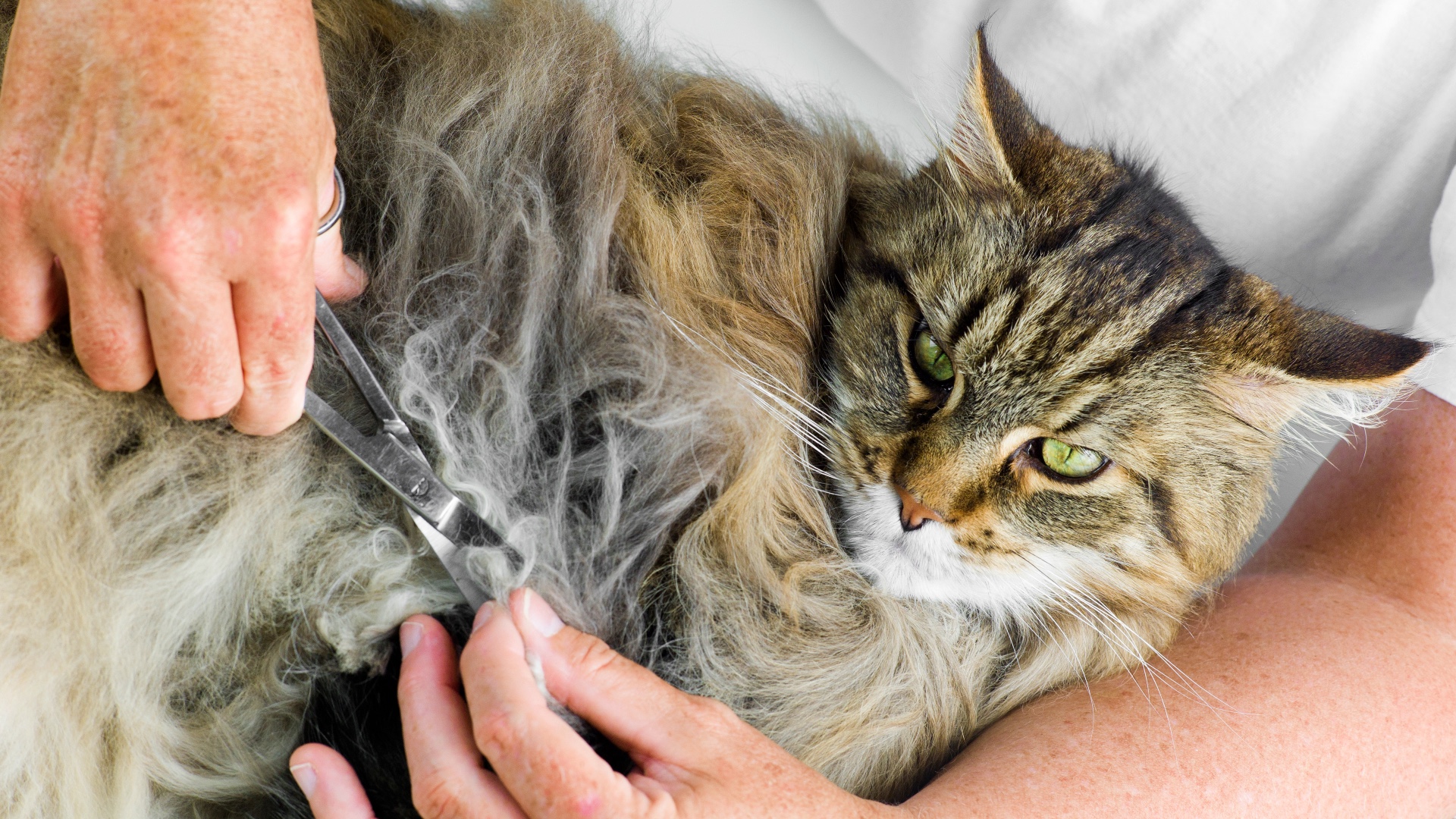
Removing Matted Fur the Right Way
When removing matted fur from your cat, use the right tools and techniques to minimize discomfort and avoid injuring your cat:
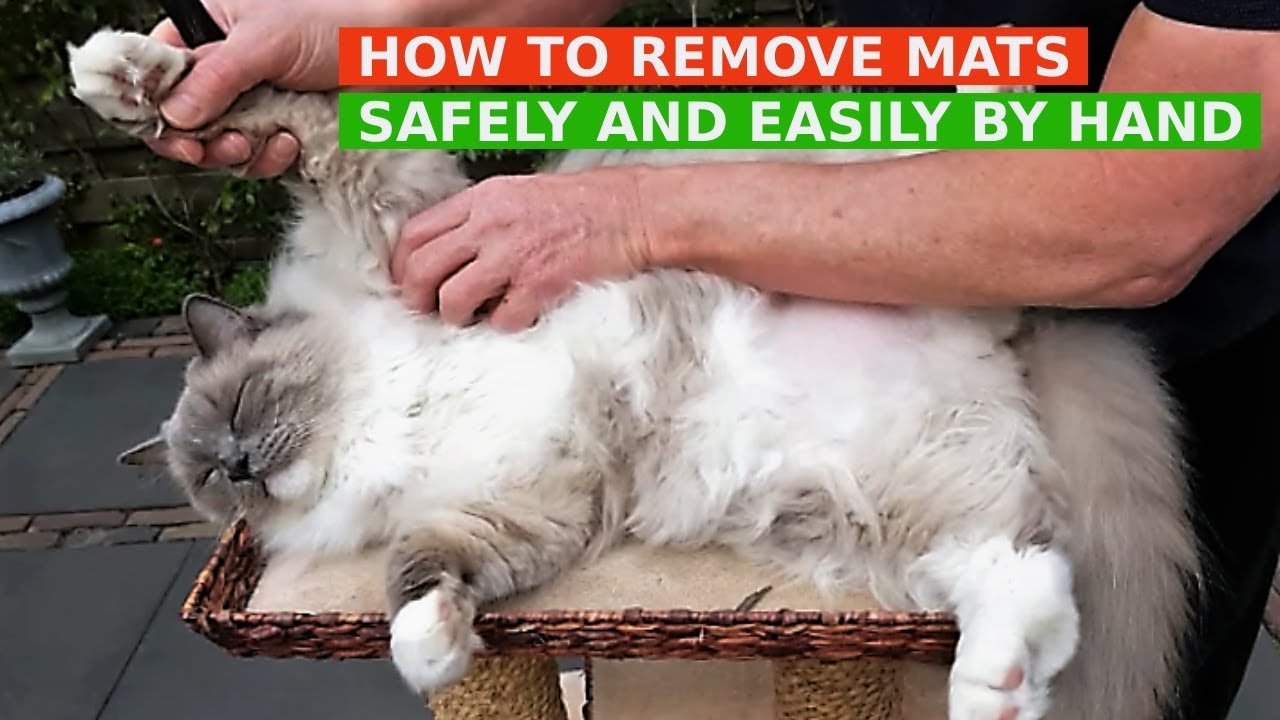
- Use a metal mat comb or a detangling spray to gently work out the mat
- Avoid using electric clippers or scissors, as they can be too harsh and cause skin irritation
- Work slowly and carefully to avoid causing pain or distress to your cat
- Consider enlisting the help of a professional groomer or veterinarian if the mats are severe or persistent
When to Seek Veterinary Assistance
If your cat's matted fur is severe, or you're unsure about how to remove the mats safely, seek veterinary assistance:
- Severe matting that causes skin irritation or discomfort
- Difficulty removing mats due to skin conditions or health issues
- Presence of any signs of infection, such as redness, swelling, or discharge
Conclusion
Removing matted hair from a cat with a skin condition requires patience, gentle care, and the right techniques. By understanding the causes of matting, establishing a regular grooming routine, and using the right tools and techniques, you can help prevent and remove matted fur, ensuring your cat's comfort and health.
Removing Matted Fur from Cats: Quick Tips
- Use gentle-bristled brushes or slicker brushes to prevent matting
- Regularly inspect your cat's coat for signs of matting
- Provide a high-fiber diet and a balanced lifestyle to promote healthy skin and coat health
- Seek veterinary assistance for severe matting or skin conditions