Wireless Network Security Audit: A Comprehensive Guide
Ensuring the security of your wireless network is crucial in today's digital age. With the increasing reliance on wireless connectivity, even a small security breach can have significant consequences. A wireless network security audit is a proactive measure to evaluate the security posture of your network, identify vulnerabilities, and implement remediation measures to prevent potential threats.
Why is a Wireless Network Security Audit Necessary?
A wireless network security audit is not a one-time event, but rather a continuous process to ensure the security and integrity of your network. As your network evolves and new devices are added, new vulnerabilities may arise, making it essential to conduct a thorough audit to identify potential security risks.
Benefits of a Wireless Network Security Audit
- Identify and remediate vulnerabilities
- Prevent unauthorized access to sensitive data
- Ensure compliance with regulatory requirements
- Improve network performance and stability
- Enhance overall network security posture
What to Expect During a Wireless Network Security Audit
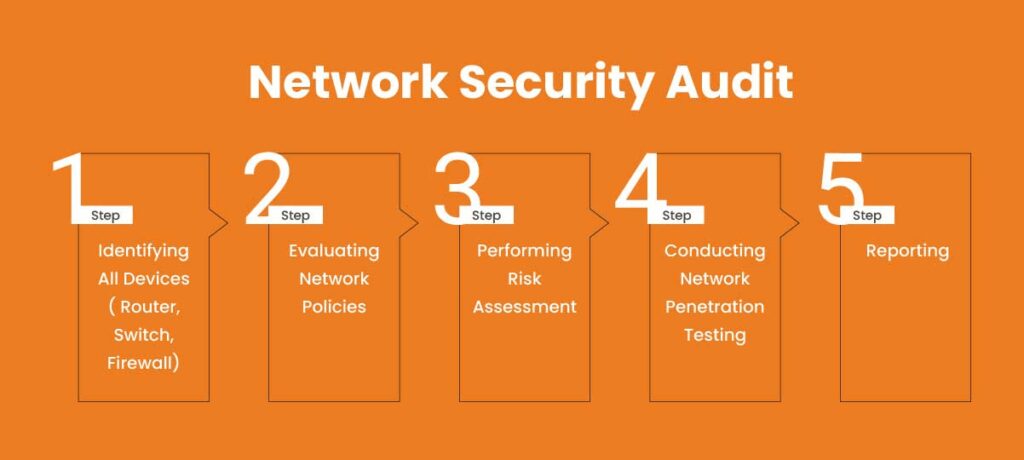
A comprehensive wireless network security audit involves the following steps:
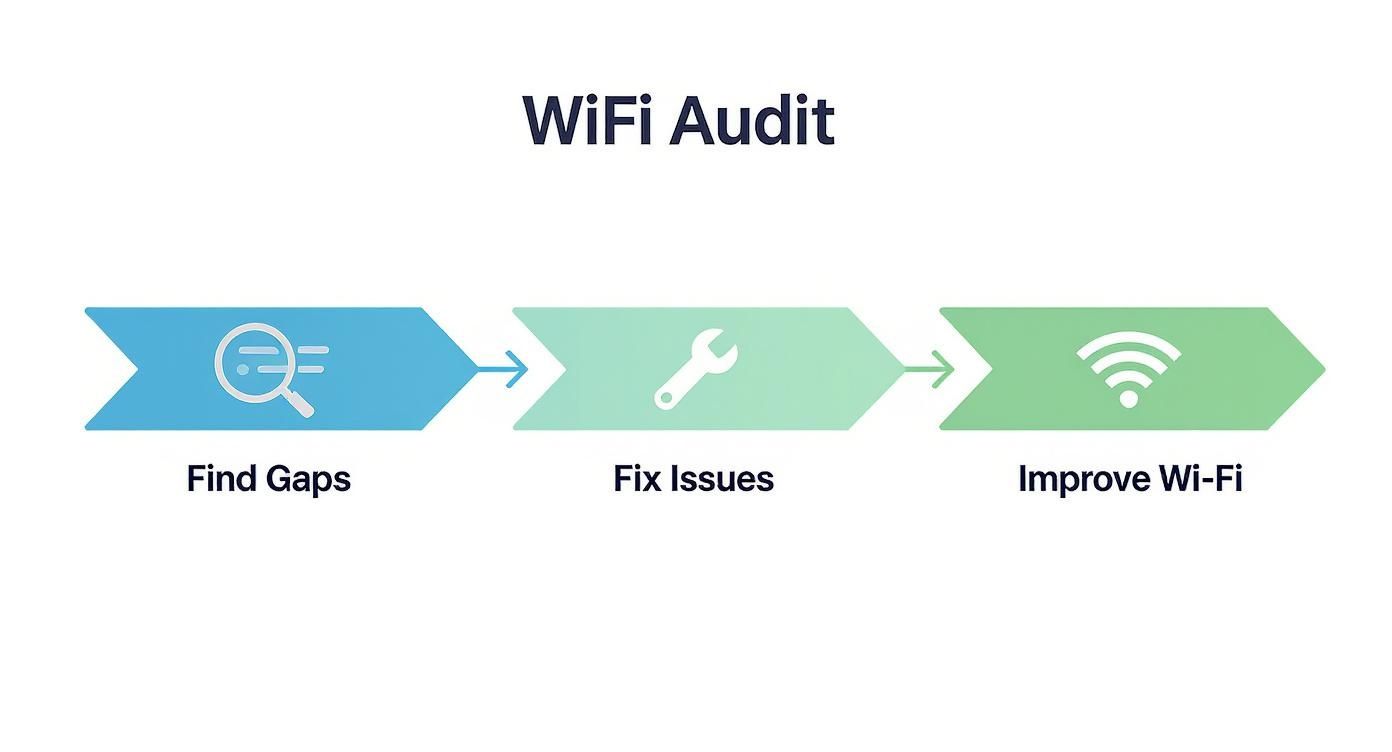
- Network infrastructure review: Evaluate the network infrastructure, including firewall configurations, switch and router settings, and wireless access points.
- Wireless network topology assessment: Analyze the wireless network topology, including network layout, channel allocation, and device connectivity.
- Device assessment: Evaluate the security settings and configurations of all devices, including routers, switches, and wireless access points.
- Security policy review: Review existing security policies and procedures to ensure they are up-to-date and compliant with regulatory requirements.
- Penetration testing: Conduct penetration testing to identify vulnerabilities and simulate potential attacks on the network.
- Reporting and remediation: Provide a detailed report highlighting vulnerabilities and recommend remediation measures.
What to Look for in a Wireless Network Security Audit Checklist
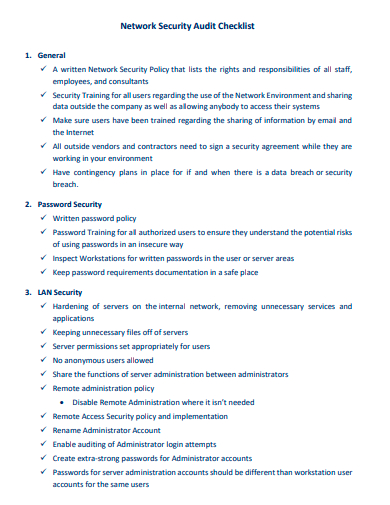
A comprehensive wireless network security audit checklist should cover the following areas:
- Access control: Verify that access control policies are enforced, and only authorized users have access to the network.
- Authentication: Ensure strong authentication mechanisms are in place, including WPA2 or WPA3 encryption.
- Authorization: Verify that user permissions and access rights are updated and configured correctly.
- Device security: Evaluate the security settings and configurations of all devices on the network.
- Network segmentation: Ensure the network is segmented to minimize the attack surface.
- Incident response: Review incident response plans to ensure readiness for potential security breaches.
Conclusion
A wireless network security audit is a critical component of network security posture. By conducting a comprehensive audit, you can identify vulnerabilities, remediate potential security risks, and ensure compliance with regulatory requirements. At Certbar, we specialize in providing thorough wireless network security audits to help businesses protect their wireless environments from potential threats.