Social Media Security Measures for Online Business
Social media has become an essential part of modern business, providing a platform for companies to connect with their customers, promote their products or services, and build their brand. However, social media also poses a significant risk to businesses, as scammers and hackers look to exploit vulnerabilities in their accounts to steal sensitive information or disrupt their operations. In this article, we'll explore the importance of social media security measures for online businesses and provide expert tips on how to protect your business from social media threats.
The Risks of Social Media
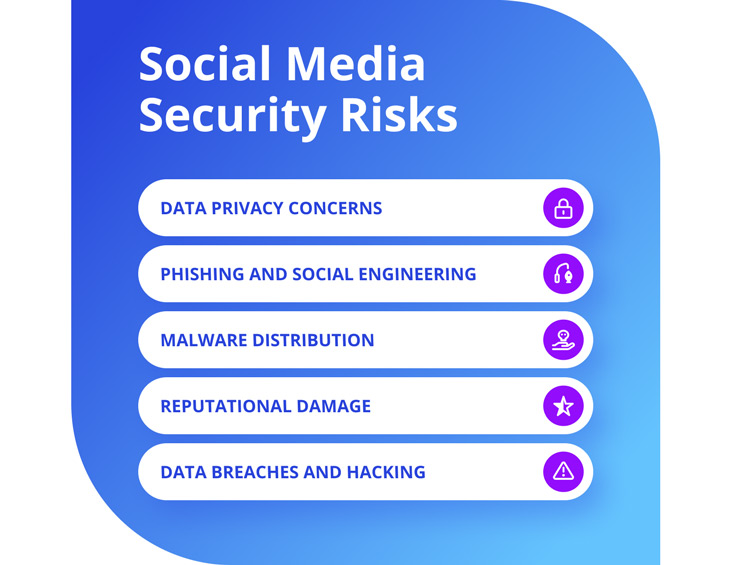
Social media is often seen as an attractive target for scammers, as businesses may have less stringent security measures in place compared to other online platforms. This can make it easier for hackers to gain access to sensitive information, such as login credentials, financial data, or personal details. Business impersonation is a common risk associated with social media, where scammers create fake accounts or profiles that mimic those of a legitimate business, with the aim of stealing sensitive information or disrupting their operations.
The Consequences of a Social Media Hack
A social media hack can have serious consequences for a business, including financial loss, reputational damage, and loss of customer trust. For example, a hacked social media account can be used to post malicious content, send phishing emails, or even create fake profiles that mimic those of a legitimate business. In some cases, a social media hack can also lead to the theft of sensitive information, such as login credentials or financial data.
Social Media Security Measures for Online Business
So, what can businesses do to protect themselves from social media threats? Here are some essential social media security measures for online businesses:
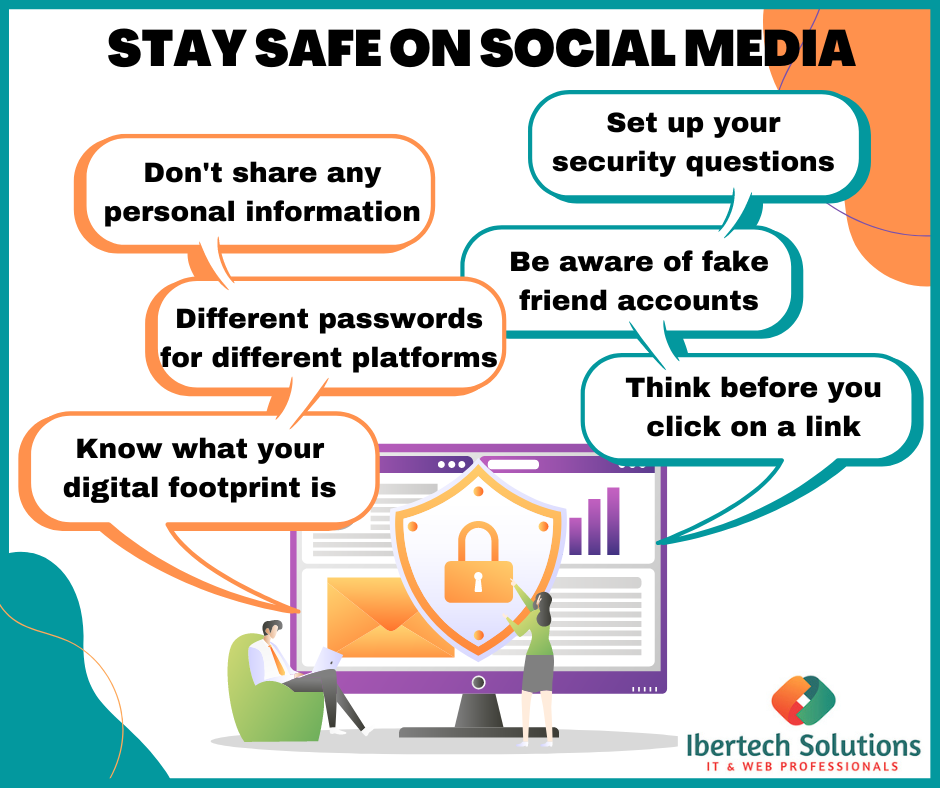
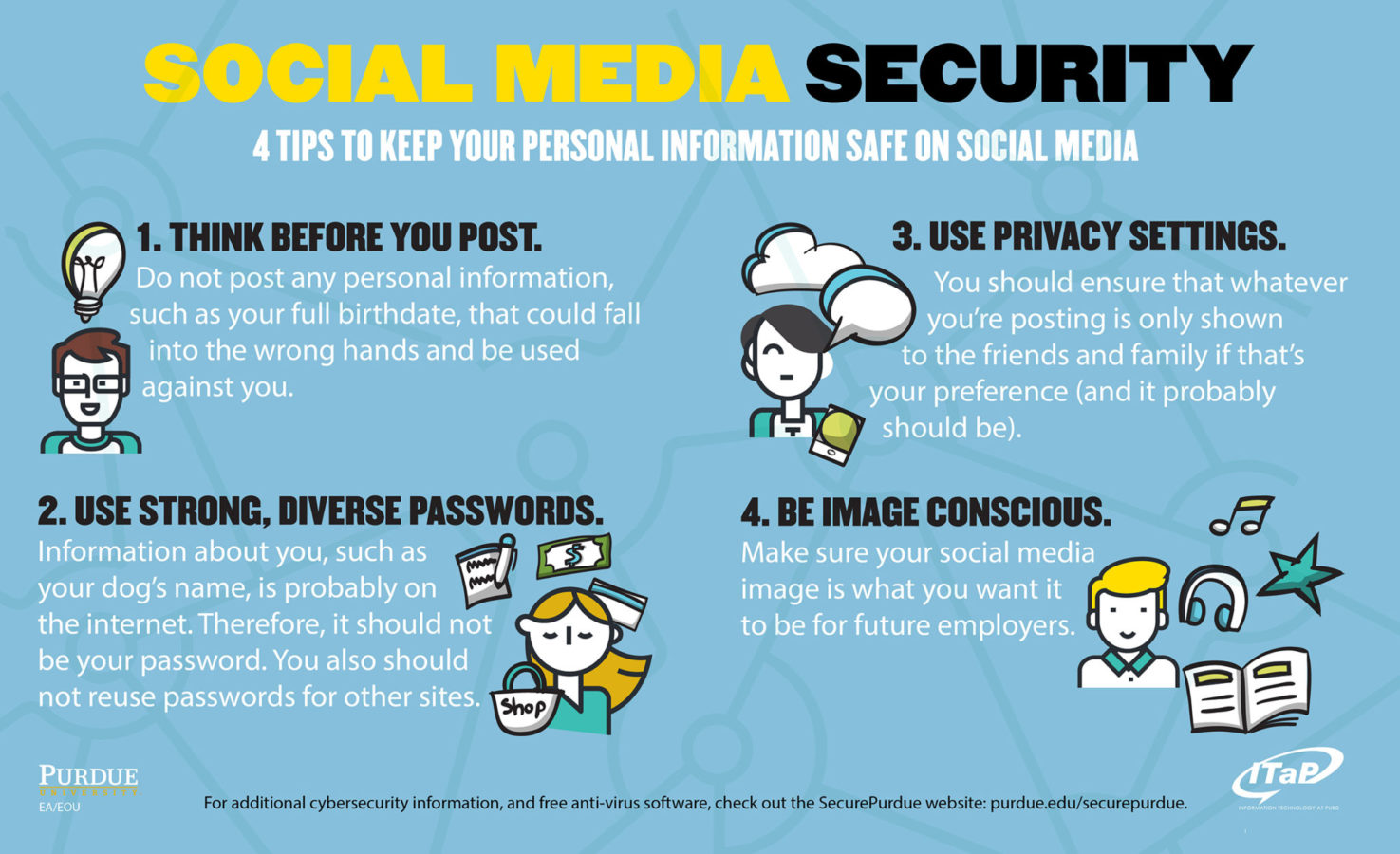
- Enable Multi-Factor Authentication (MFA): MFA adds an extra layer of security to social media accounts by requiring users to provide a second form of verification, such as a code sent to their phone or a biometric scan, in addition to their login credentials.
- Keep Privacy Settings Up to Date**: Regularly review and update your social media privacy settings to ensure that only authorized personnel have access to sensitive information.
- Train Employees on Social Media Security**: Educate employees on social media security best practices, including how to identify phishing attempts, avoid clicking suspicious links, and report unusual activity.
- Use Strong Passwords**: Use unique, complex passwords for social media accounts and avoid reusing passwords across multiple platforms.
- Monitor Social Media Accounts**: Regularly monitor social media accounts for suspicious activity, such as unusual login attempts or changes to account settings.
- Use Antivirus Software**: Install and regularly update antivirus software on all business devices to protect against malware and other online threats.
Conclusion
Social media security measures for online businesses are essential to protect against social media threats and maintain a safe online presence. By implementing the social media security measures outlined above, businesses can reduce the risk of a social media hack and protect their sensitive information. Remember, social media security is an ongoing process that requires regular monitoring and maintenance to stay ahead of emerging threats.
Recommended Resources
For more information on social media security best practices, check out the following resources:
- CISA: Provides information on cybersecurity best practices to help individuals and organizations implement preventative measures and manage cyber risks.
- Meta's Online Safety Guide: Offers tips and resources on how to stay safe online, including social media security best practices.
- Social Security Administration: Provides information on how to protect your personal information and maintain a secure online presence.