Ransomware Prevention Tips: Protect Your Organization from Cyber Threats
Ransomware is a growing threat that can have devastating consequences for individuals and organizations alike. In this article, we will provide you with essential ransomware prevention tips to help you safeguard your organization from cyber threats.Understand the Risks of Ransomware
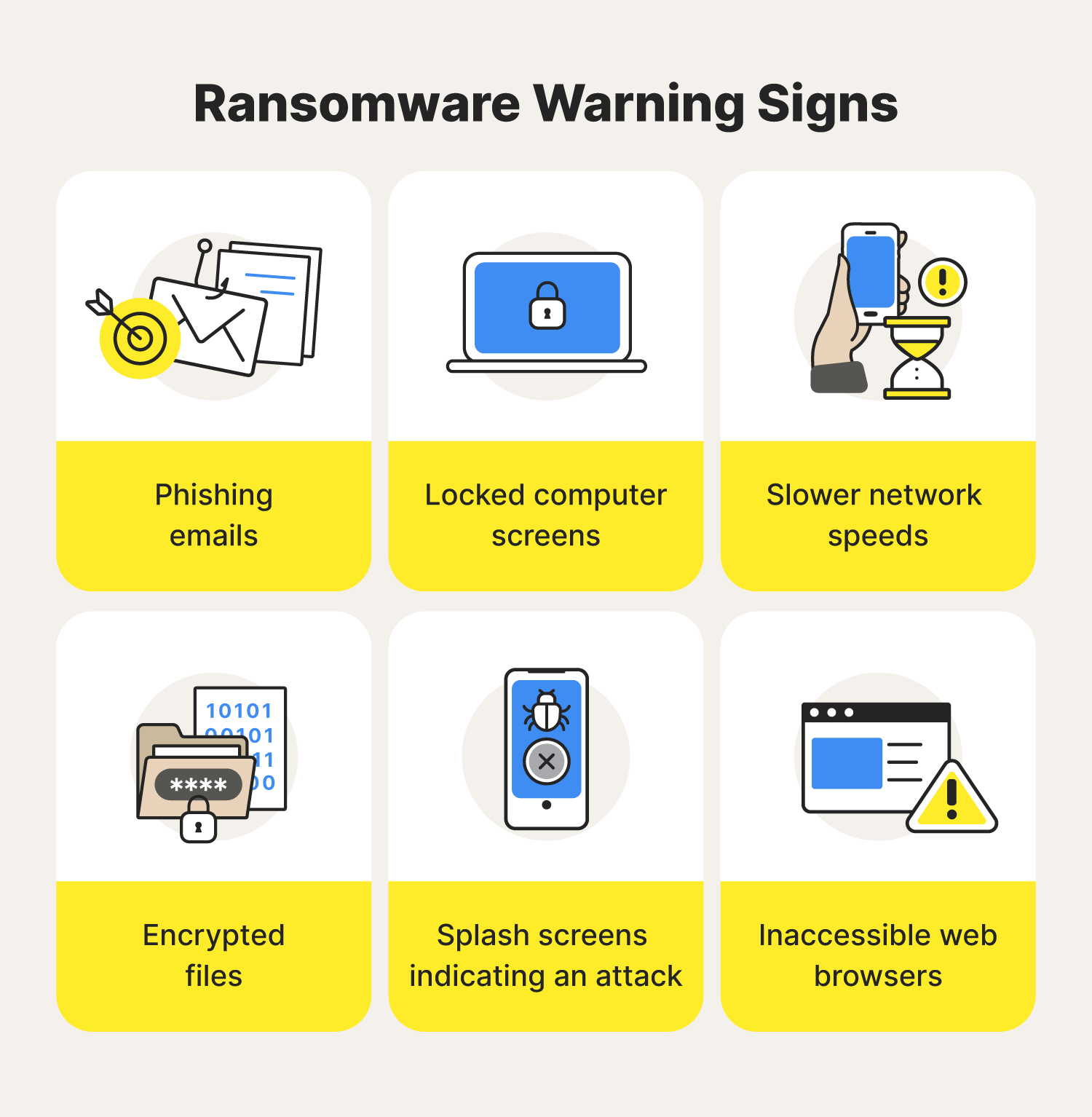
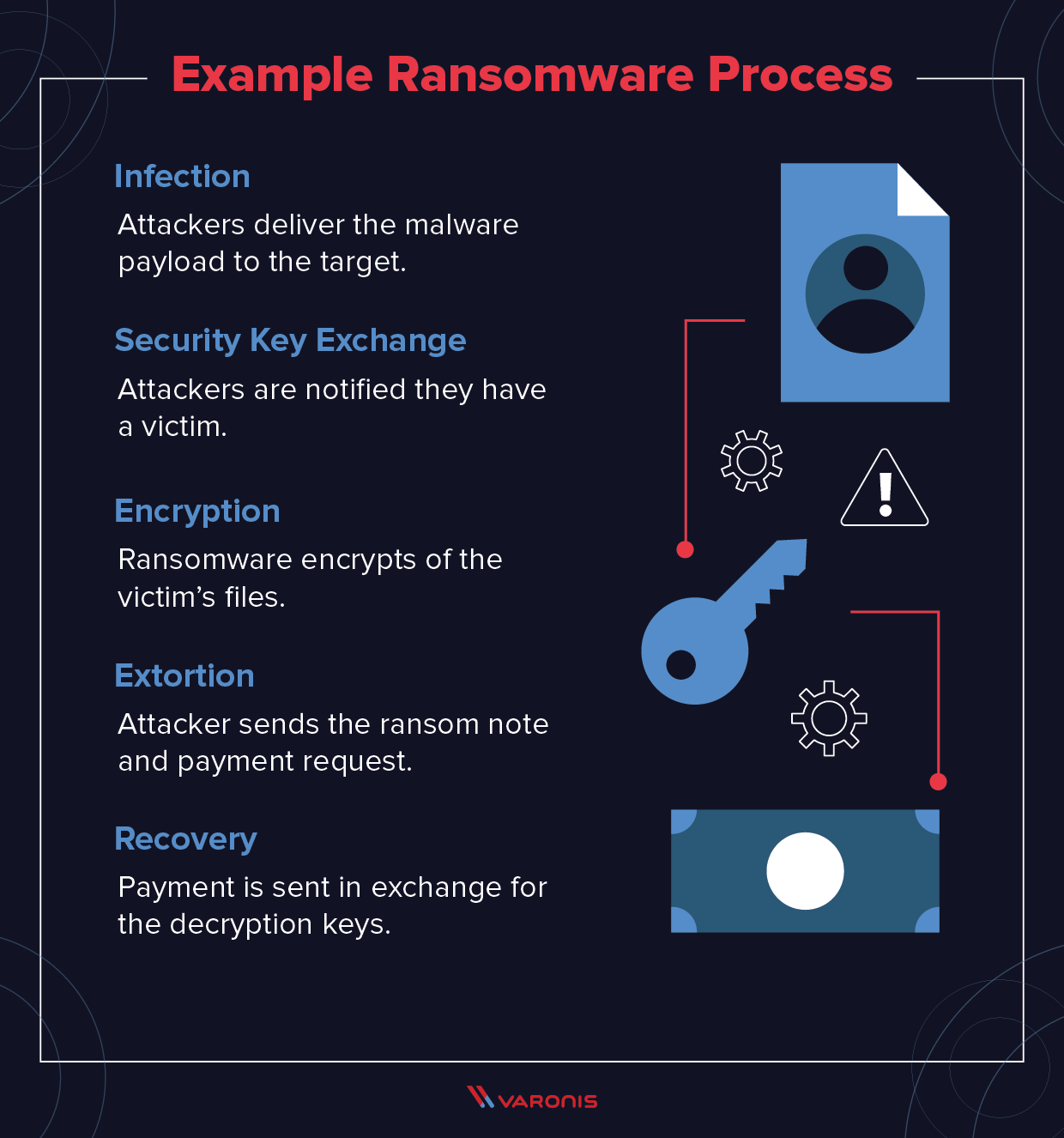
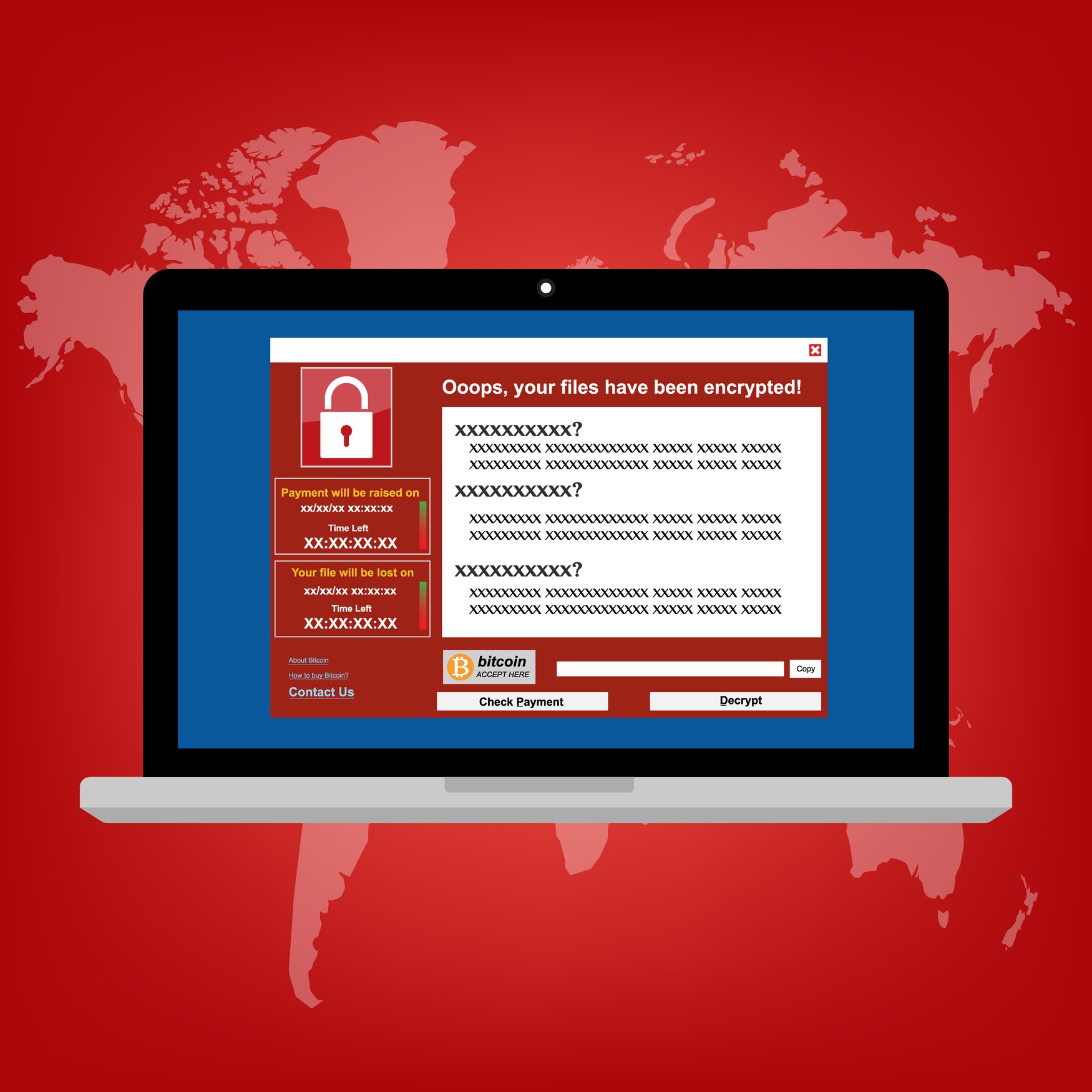
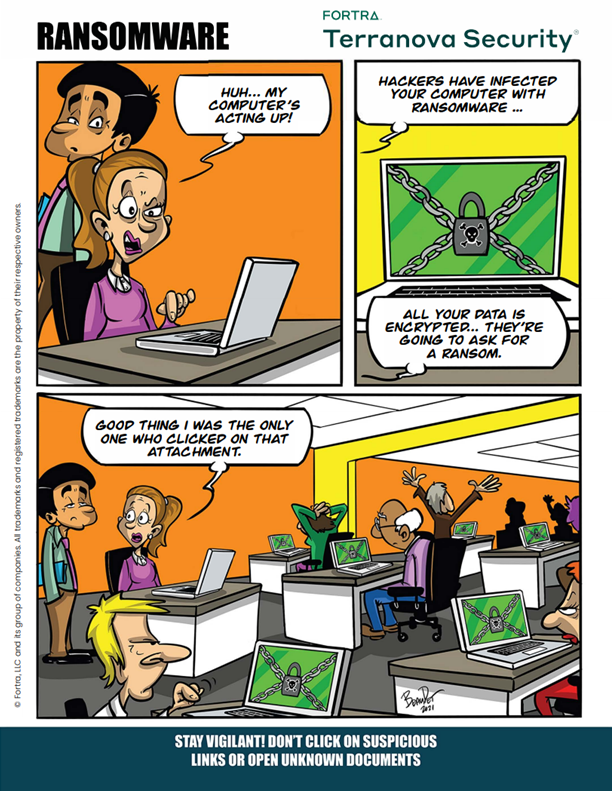
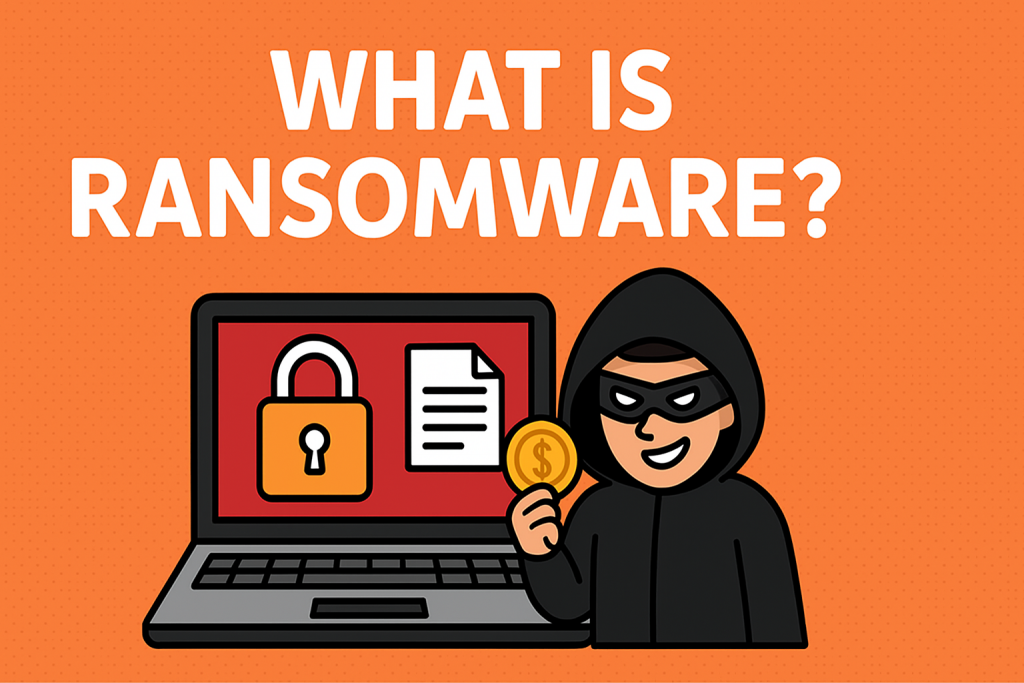
Ransomware is a type of malicious software that locks up files and data and demands a ransom in exchange for the decryption key. It can spread through various means, including phishing emails, infected software downloads, and vulnerable networks. Understanding the risks of ransomware is crucial to developing effective prevention strategies.Back Up Critical Data Regularly
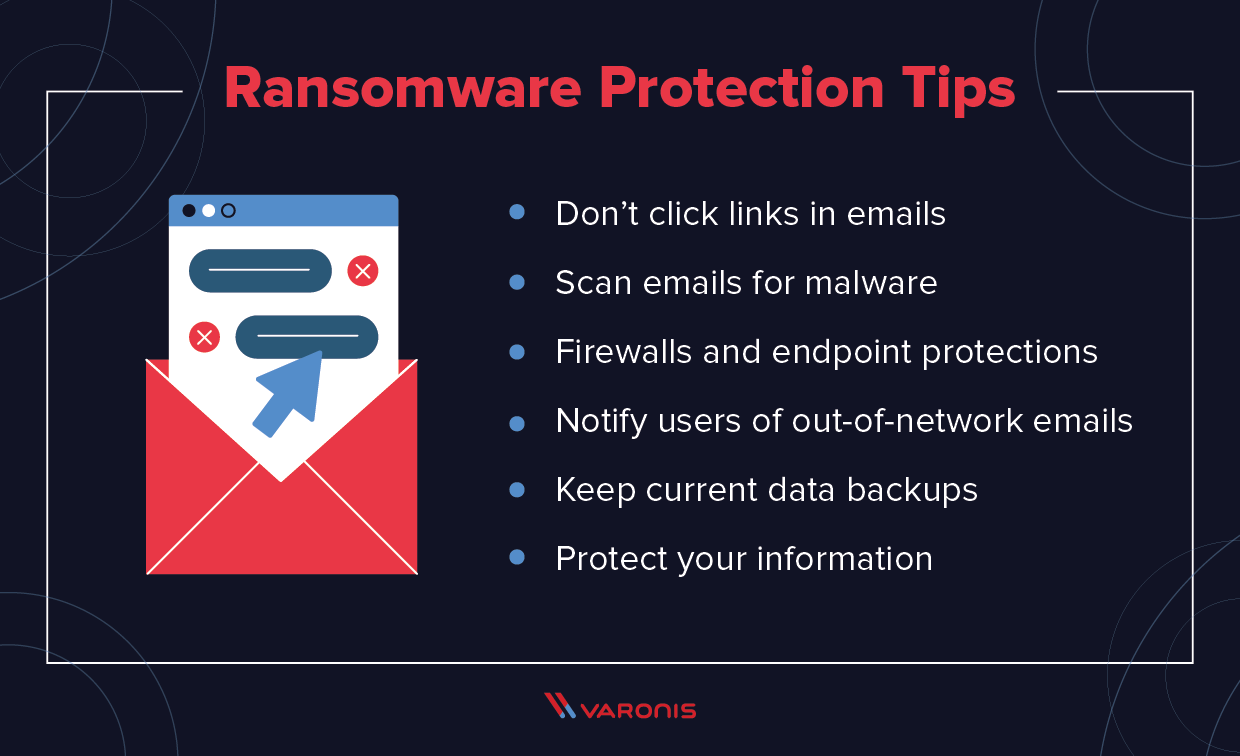
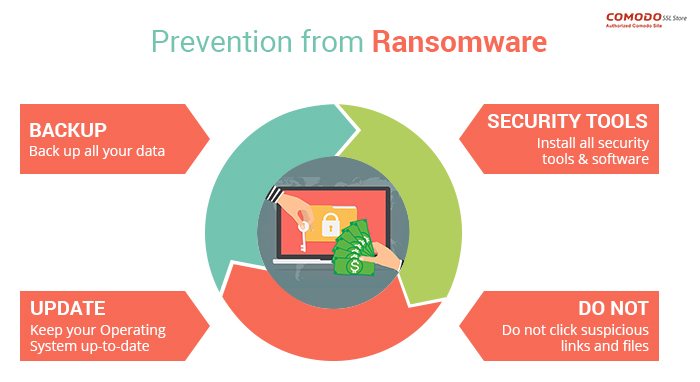
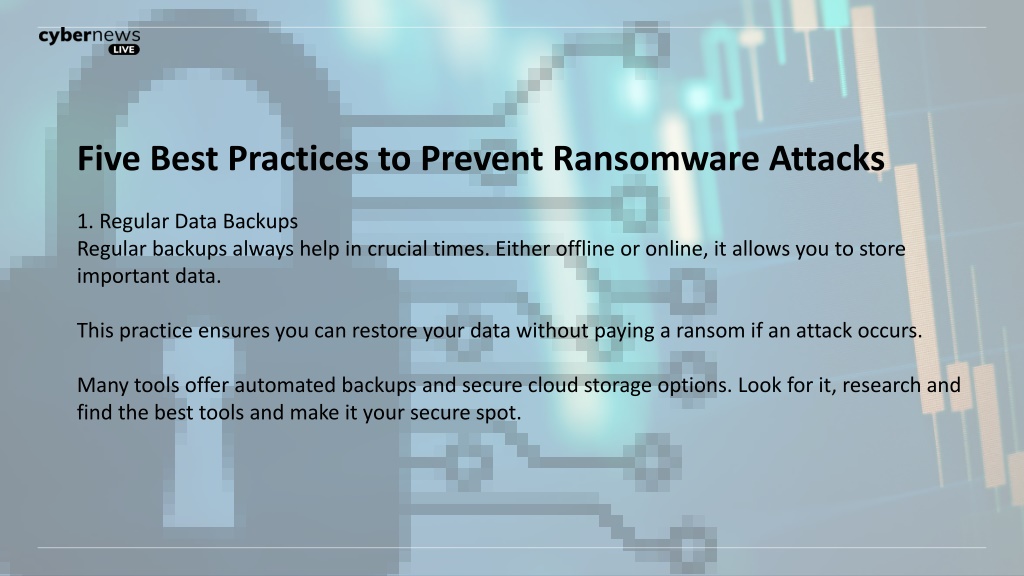
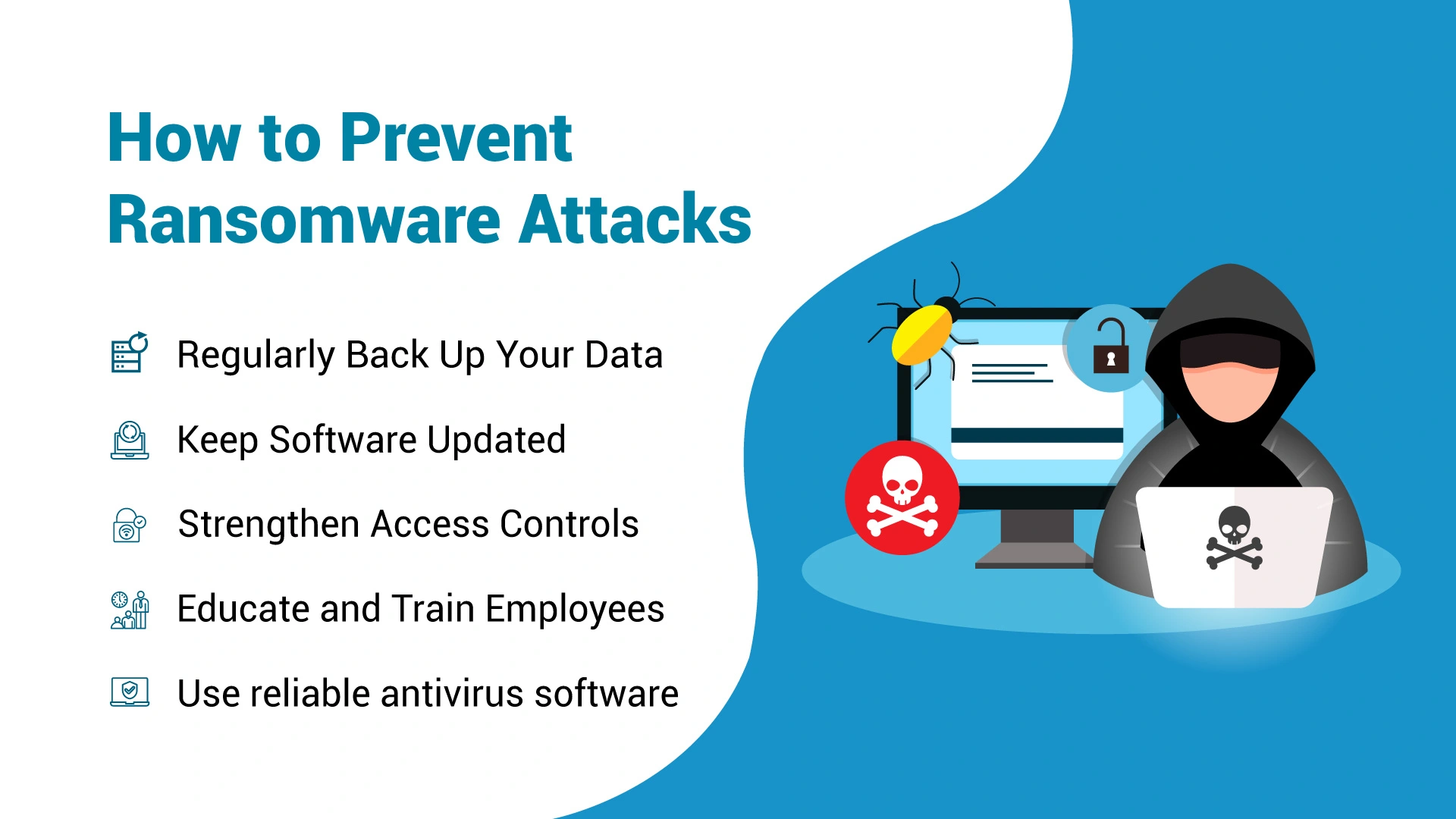
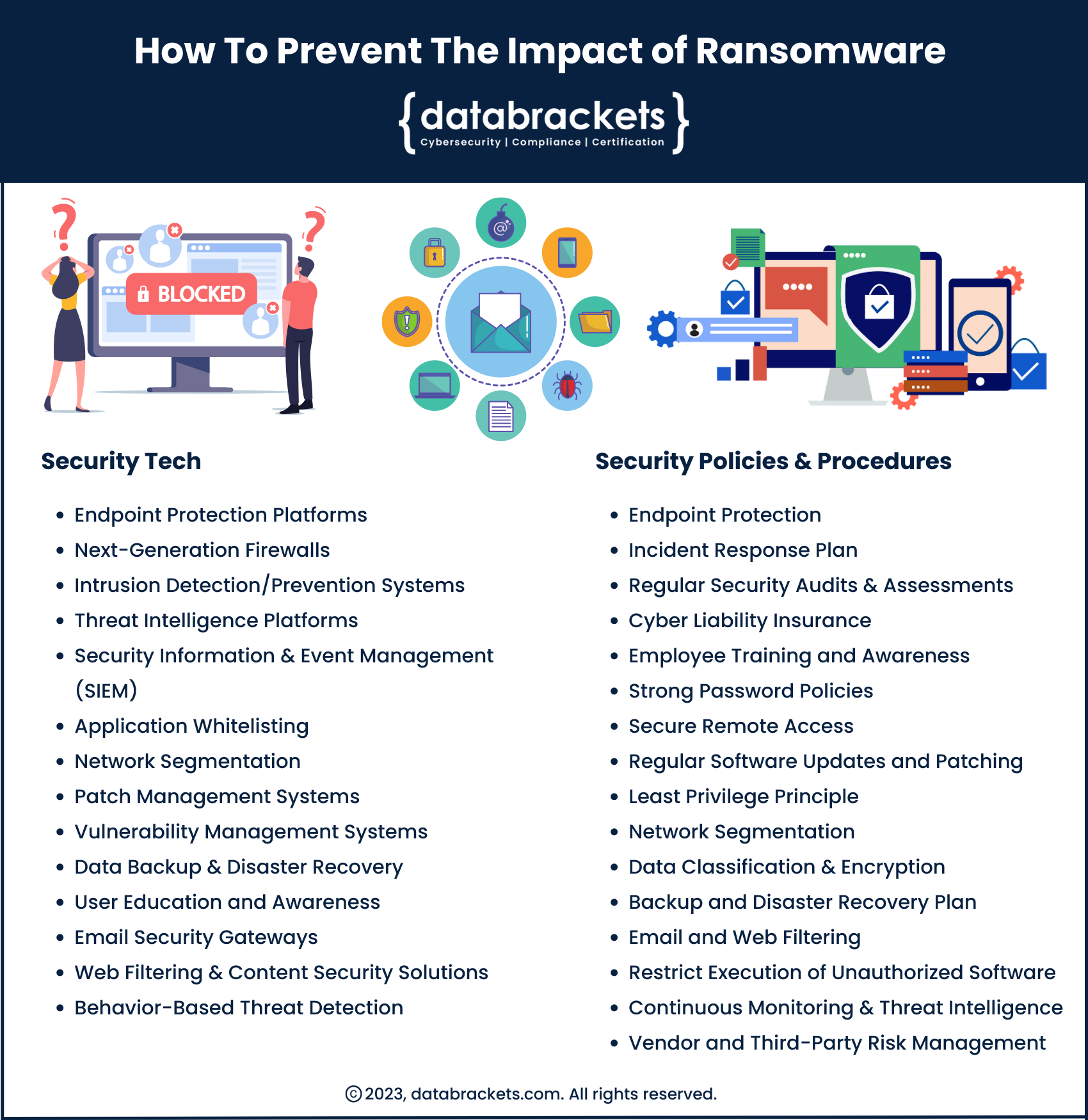
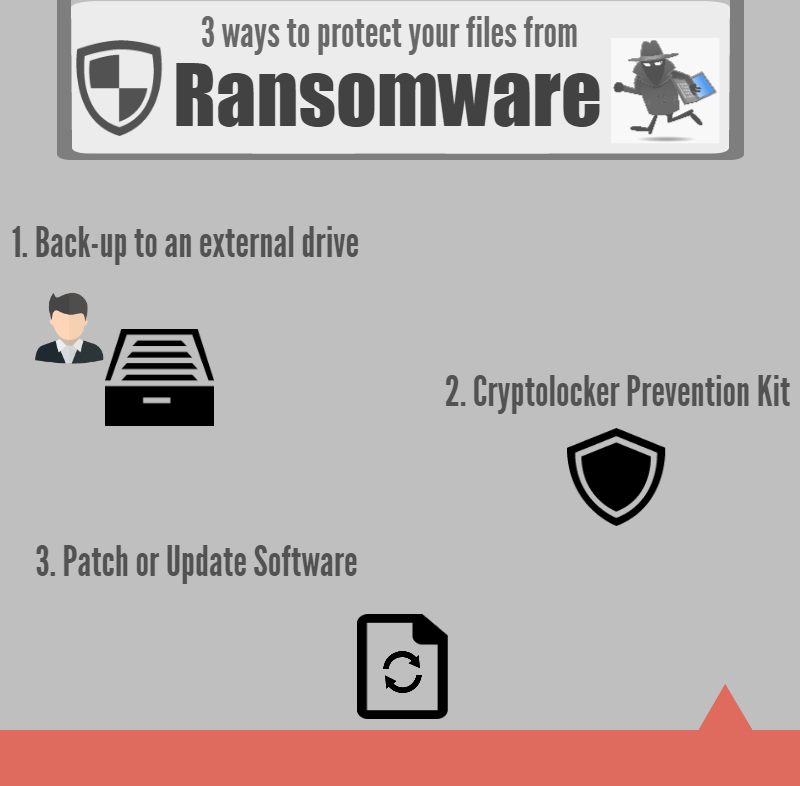
Backups are your safety net when everything else fails. Regular backups ensure that you can restore operations without paying a ransom. Store copies of your backups offline to prevent them from being encrypted by ransomware.Implement Multi-Factor Authentication
Multi-factor authentication (MFA) adds an extra layer of security to your organization's login process. It requires users to provide two or more forms of verification, making it more difficult for attackers to gain unauthorized access.Keep Software Up-to-Date
Regularly update your operating systems, applications, and software to ensure you have the latest security patches. This will help prevent vulnerabilities that ransomware can exploit.Use Strong Passwords and Password Management
Weak passwords are an easy target for attackers. Use strong, unique passwords for all accounts, and consider using a password manager to generate and store complex passwords.Implement Endpoint Detection and Response
Endpoint detection and response (EDR) solutions can help detect and respond to ransomware attacks in real-time. These solutions can identify and contain threats before they spread.Use Network Segmentation
Network segmentation involves dividing your network into smaller, isolated segments. This makes it more difficult for ransomware to spread and reduces the attack surface.Train Employees on Cybersecurity Best Practices