Python Tutorial for Beginners: Python for Data Analysis
Are you new to programming and interested in learning Python for data analysis? Look no further! In this comprehensive tutorial, we will take you through the basics of Python and show you how to use it for data analysis.
Why Learn Python for Data Analysis?
Data analysis is a crucial part of any business or organization. With the help of Python, you can collect, manipulate, and visualize data to gain valuable insights. Python is a popular programming language that is widely used in data science and analysis due to its simplicity, flexibility, and powerful libraries. By learning Python, you will be able to:
- Collect and manipulate data from various sources
- Use powerful libraries such as Pandas, NumPy, and Matplotlib for data analysis and visualization
- Write efficient code to analyze and process large datasets
- Gain insights and make informed decisions using data-driven approaches
What is Python?
Python is a high-level, interpreted programming language that is widely used for various applications, including data analysis, machine learning, web development, and more. Its design philosophy emphasizes code readability, and its syntax allows programmers to express concepts in fewer lines of code than possible in languages such as C++ or Java.
Basic Syntax of Python
Before diving into data analysis, let's cover some basic syntax of Python. Here are a few key concepts to get you started:
- Variables: In Python, you can assign a value to a variable using the assignment operator (=). For example:
- x = 5
- Indentation: Python uses indentation to define block-level structure. For example:
- if x > 5: print("x is greater than 5")
- Functions: Python functions are defined using the def keyword. For example:
- def greet(name): print("Hello, " + name + "!")
Basic Data Types in Python
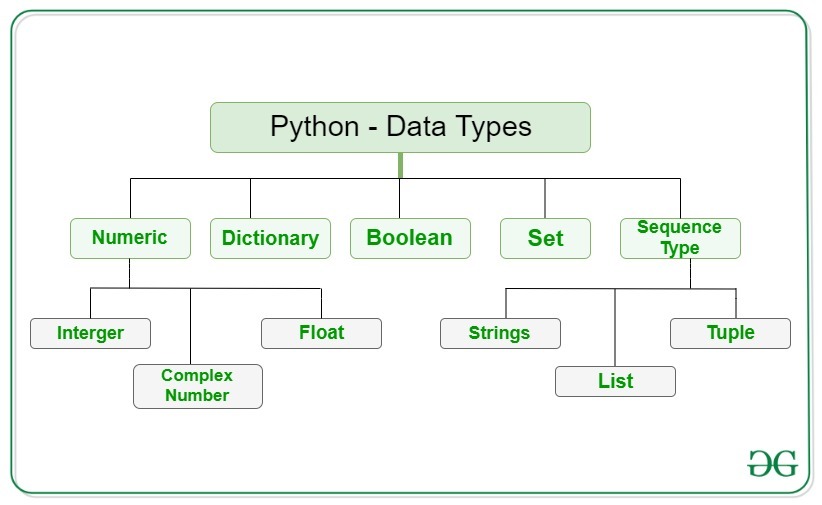
Python has several built-in data types, including:
- Integers: Integers are whole numbers, either positive, negative, or zero. For example: 1, 2, 3, etc.
- Floats: Floats are decimal numbers. For example: 3.14, -0.5, etc.
- Strings: Strings are sequences of characters. For example: "hello", 'hello', etc.
- Boolean: Booleans are true or false values. For example: True, False, etc.
Importing Libraries for Data Analysis
For data analysis, you will need to import several libraries, including Pandas, NumPy, and Matplotlib. Here's how to import them:
- import pandas as pd
- import numpy as np
- import matplotlib.pyplot as plt

Data Structures in Python
Python has several data structures that are useful for data analysis, including:
- List: Lists are ordered collections of items. For example: [1, 2, 3, 4, 5]
- Tuple: Tuples are ordered, immutable collections of items. For example: (1, 2, 3, 4, 5)
- Dictionary: Dictionaries are unordered collections of key-value pairs. For example: {"name": "John", "age": 30}
Reading and Writing Data in Python
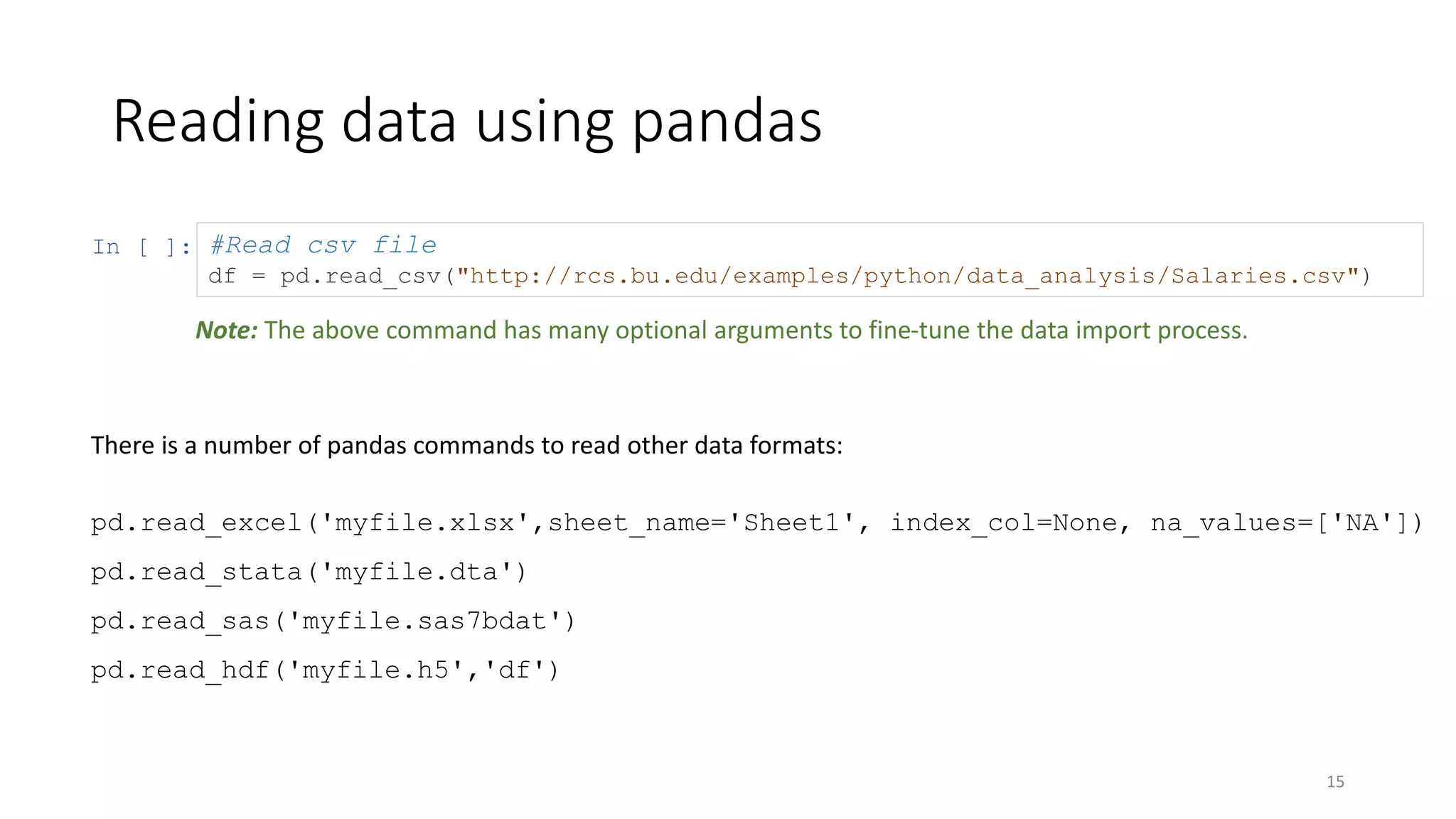
To read and write data in Python, you can use various libraries, including Pandas and NumPy. Here's how to read a CSV file:
- import pandas as pd
- df = pd.read_csv("data.csv")
Data Analysis and Visualization with Python
Now that you've learned the basics of Python and imported the necessary libraries, you're ready to start data analysis and visualization. Here are a few examples:
- Descriptive statistics: Use Pandas to calculate mean, median, mode, and standard deviation.
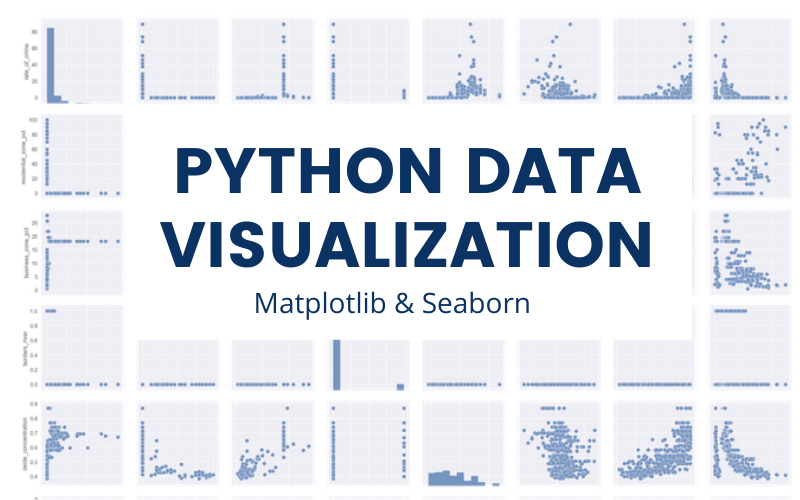
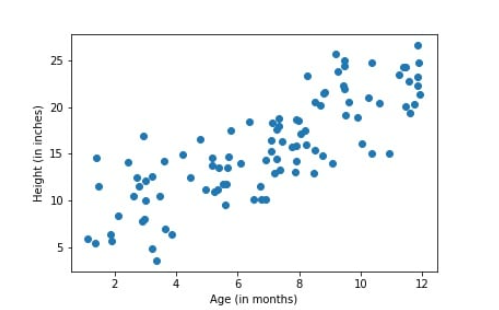
- Data visualization: Use Matplotlib to create plots, charts, and graphs.
- Data cleaning and preprocessing: Use Pandas to handle missing values, remove duplicates, and perform data normalization.
Conclusion
And that's it! You've completed this Python tutorial for beginners and are now ready to start data analysis with Python. Remember to practice regularly and explore various libraries and techniques to improve your skills. Happy coding!
Recommended Resources
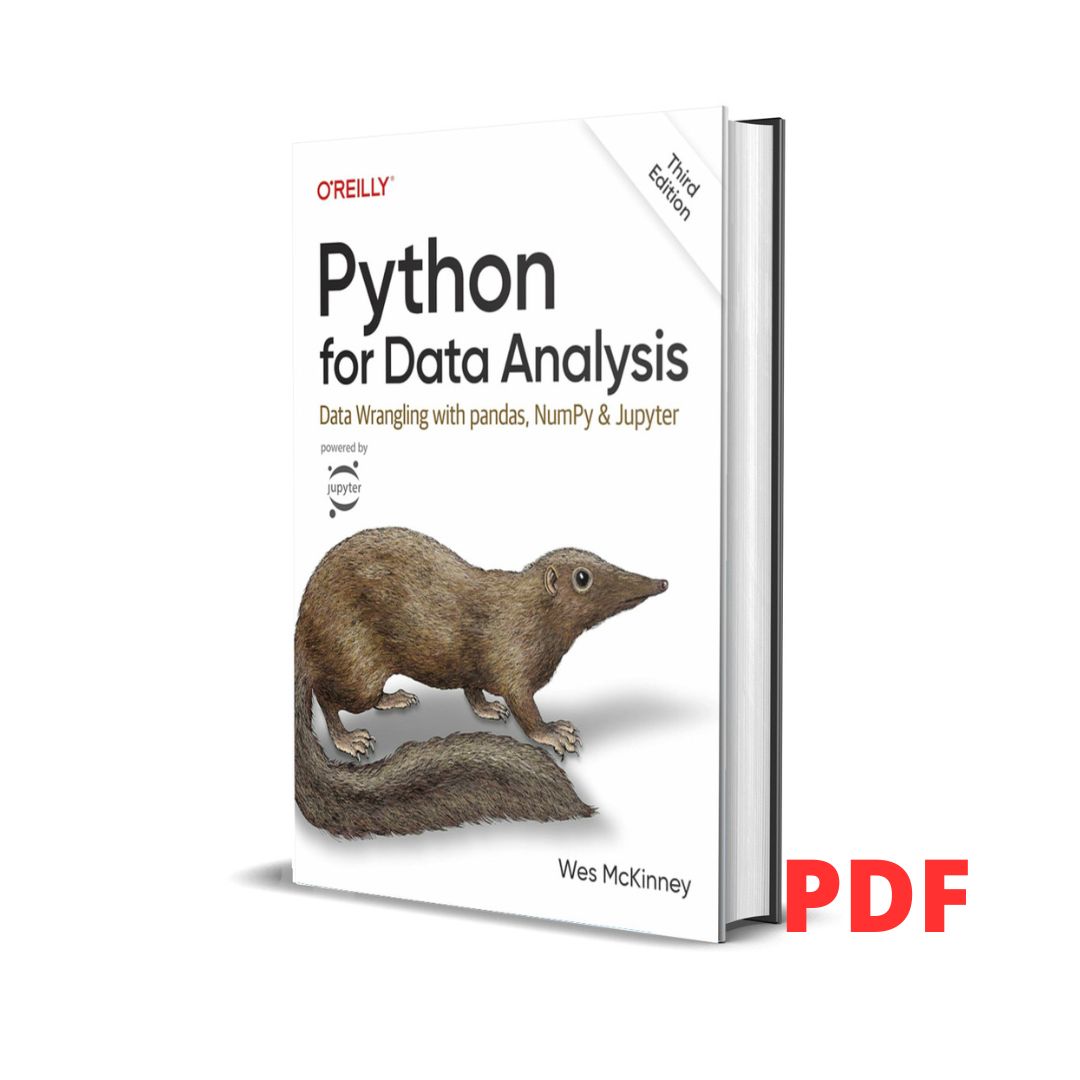
If you want to learn more about Python for data analysis, here are some recommended resources:
- DataCamp: An online learning platform that offers interactive courses and tutorials on Python, data science, and more.
- Pandas Documentation: A comprehensive resource for learning Pandas, including tutorials, examples, and documentation.
- Matplotlib Documentation: A comprehensive resource for learning Matplotlib, including tutorials, examples, and documentation.