Protecting Your Home Network from Cyber Attacks: A Comprehensive Guide
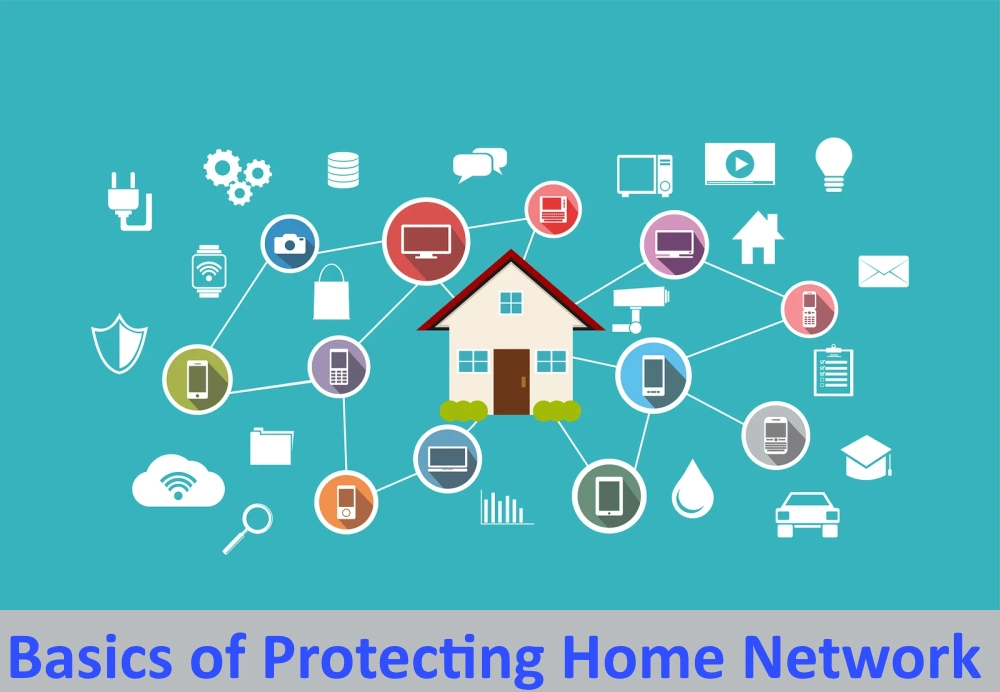
In today's digital age, our homes have become a hub of interconnected devices, from smartphones and laptops to smart home appliances and televisions. However, this increased connectivity also makes our homes vulnerable to cyber attacks. A cyber attack can compromise your personal data, disrupt your daily life, and even put your family's safety at risk.
Understanding Cyber Threats
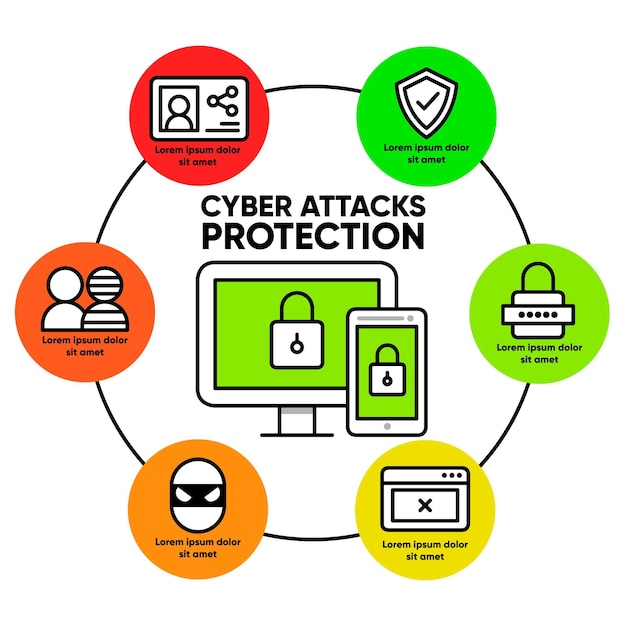
Cyber threats come in many forms, including malware, ransomware, phishing attacks, and distributed denial-of-service (DDoS) attacks. These threats can spread through various means, such as infected software downloads, compromised Wi-Fi networks, or even social engineering attacks.
According to the National Security Agency (NSA), the best defense against cyber threats is a robust set of login security measures and a watchful eye for social engineering attacks. By being aware of these threats and taking proactive steps to protect your home network, you can significantly reduce the risk of a cyber attack.
Best Practices for Securing Your Home Network
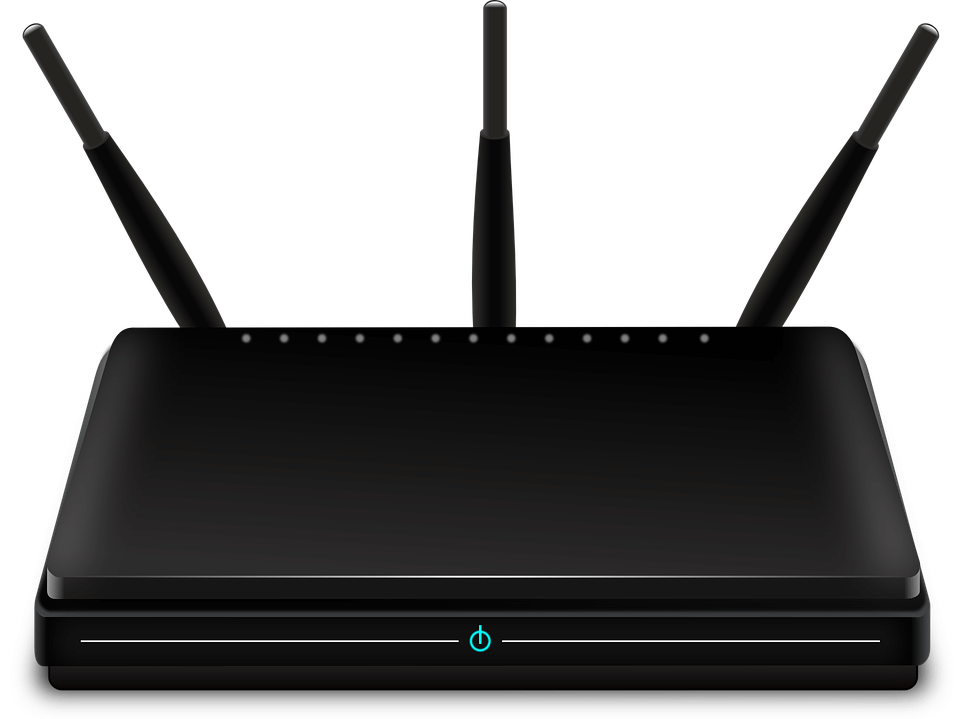
- Position your router in a central location: This can help improve the strength and coverage of your Wi-Fi signal, reducing the risk of connectivity issues and cyber threats.
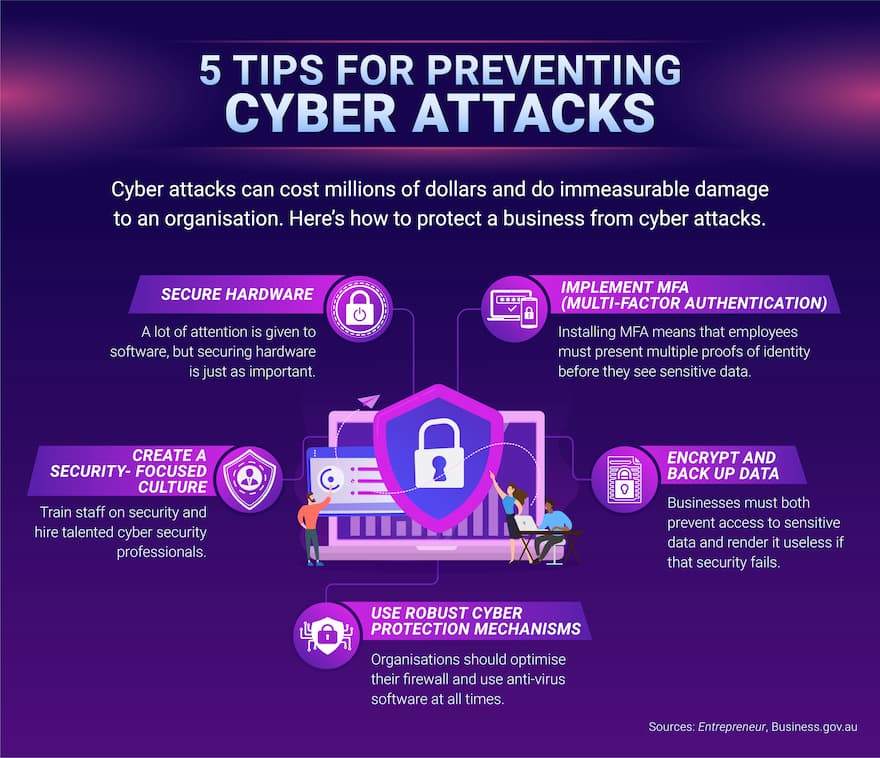
- Use strong passwords and login credentials: Choose complex passwords and enable two-factor authentication to prevent unauthorized access to your network.
- Keep your devices and software up to date: Regularly update your operating system, browser, and other software to ensure you have the latest security patches and features.
- Use a reputable antivirus program: Install and regularly update an antivirus program to detect and remove malware from your devices.
- Monitor your network for suspicious activity: Regularly check your network for signs of unauthorized access or malicious activity.
- Use a VPN (Virtual Private Network): Consider using a VPN to encrypt your internet traffic and protect your data when using public Wi-Fi networks.
Additional Tips for Enhancing Your Home Network Security
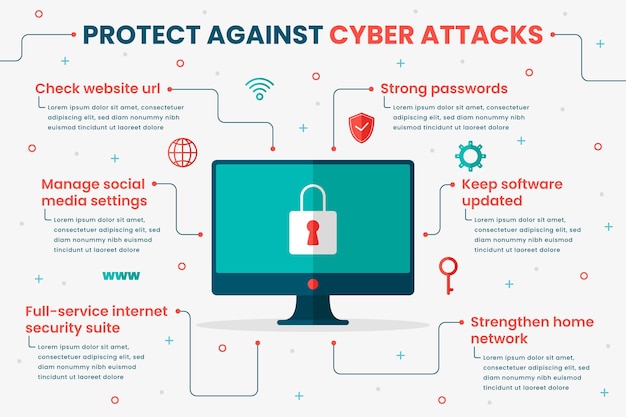
- Use WPA3 encryption: This is a more secure encryption protocol than WPA2, which can be vulnerable to cyber attacks.
- Update your router's firmware: Regularly update your router's firmware to ensure you have the latest security patches and features.
- Limit access to your network: Only grant access to devices and users who need it, and consider using a guest network for visitors.
- Use a firewall: Enable the firewall on your router and devices to block incoming and outgoing connections that may be malicious.
Conclusion
Protecting your home network from cyber attacks requires a combination of awareness, education, and proactive measures. By following the best practices outlined in this guide, you can significantly reduce the risk of a cyber attack and keep your family's personal data and devices safe. Remember, cybersecurity is an ongoing process that requires regular monitoring and updates to stay ahead of emerging threats.
Further Resources
For more information on cybersecurity and protecting your home network, consider the following resources:
- NSA's "Best Practices for Securing Your Home Network" guide
- CISA's cybersecurity awareness resources
- BlackCloak's Concierge Cybersecurity services
- Cybersecurity and Infrastructure Security Agency (CISA) resources