Overcoming Divided Attention: Mastering the Art of Focus
In today's fast-paced world, it's easy to get caught up in the idea that we can do multiple things at once. We've all been there - typing away on our laptop while watching TV, chatting with friends on social media, and scrolling through our phones. But the truth is, our brains are not wired to handle divided attention. In fact, research shows that attempting to focus on multiple tasks simultaneously can actually reduce accuracy, speed, and overall performance.What is Divided Attention?
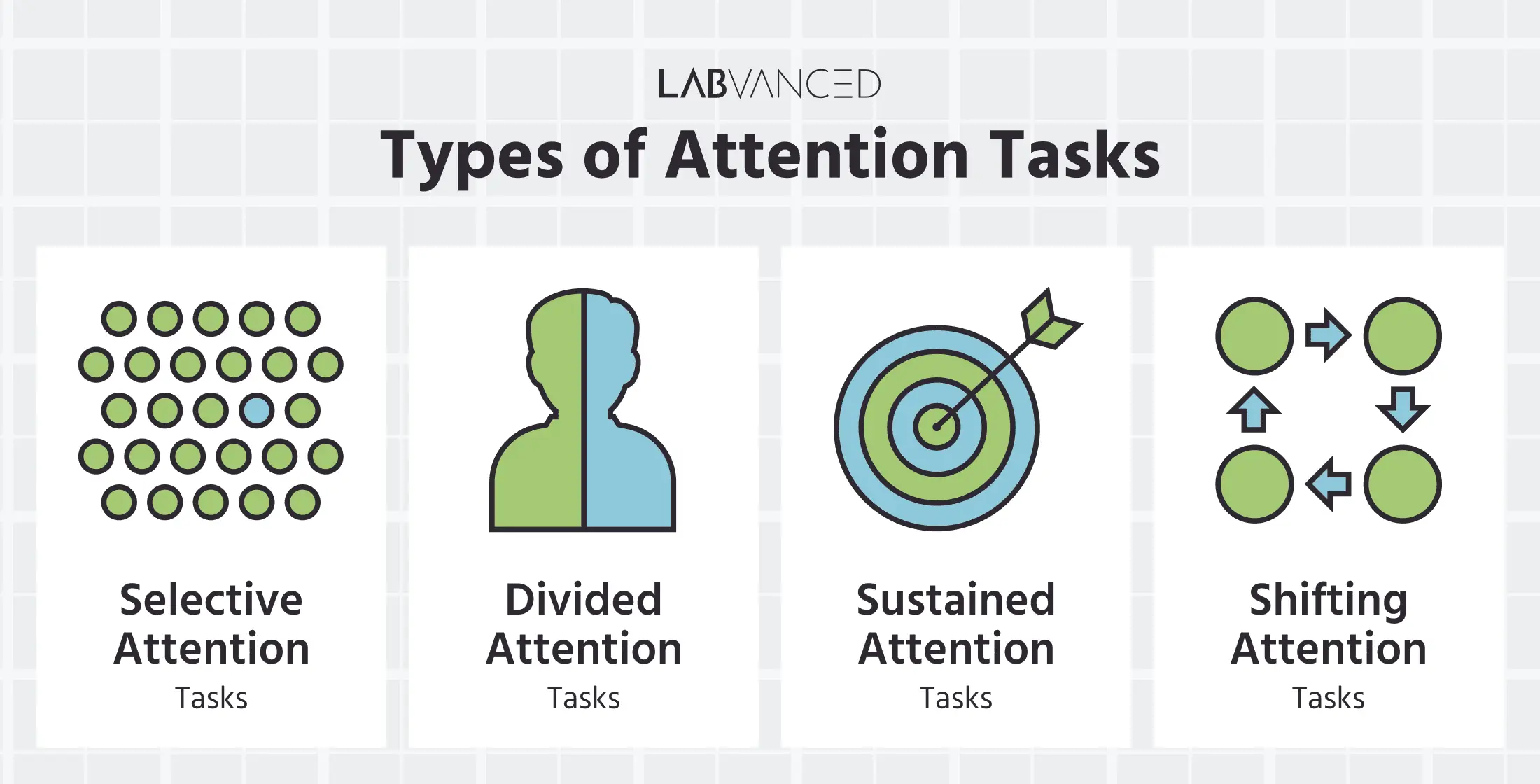
Divided attention is a cognitive act that occurs when we attempt to focus on multiple tasks or sources of information at the same time. This can involve anything from reading a textbook while watching TV to chatting with a friend while working on a project. Despite its widespread use, divided attention is often a recipe for disaster. Our brains are limited in their ability to process multiple tasks simultaneously, which can lead to a range of negative consequences, including decreased productivity, increased stress, and impaired cognitive performance.The Psychology of Divided Attention
So why do we struggle with divided attention? The answer lies in the way our brains are wired. When we attempt to focus on multiple tasks, our brains have to switch between them constantly, using up valuable cognitive resources. This process is known as "task-switching," and it can be a major drain on our mental energy.Overcoming Divided Attention: Strategies for Success
Fortunately, there are strategies that can help you overcome divided attention and improve your focus. Here are a few tips to get you started:- Set clear goals**: Before starting a task, take a moment to define what you want to achieve. This will help you stay focused and avoid getting sidetracked.
- Eliminate distractions**: Identify potential distractions - whether it's social media, email, or chatty coworkers - and eliminate them while you work.
- Use the Pomodoro Technique**: Work in focused, 25-minute increments, followed by a five-minute break. This can help you stay focused and avoid burnout.
- Practice mindfulness**: Mindfulness practices, such as meditation and deep breathing, can help you stay present and focused on the task at hand.
- Get enough sleep**: Sleep is essential for cognitive function, and a lack of sleep can make it even harder to focus on a task.
The Benefits of Overcoming Divided Attention
So what are the benefits of overcoming divided attention? By improving your focus and increasing your productivity, you can achieve your goals faster and with less stress. Here are a few potential benefits:- Increased productivity**: By staying focused on a task, you can complete it faster and with better quality.
- Improved cognitive performance**: Overcoming divided attention can also improve your cognitive performance, including memory, attention, and processing speed.
- Reduced stress**: When you're focused on a task, you're less likely to feel overwhelmed or stressed.
- Enhanced creativity**: By reducing distractions and increasing focus, you may find that you're more creative and able to think outside the box.