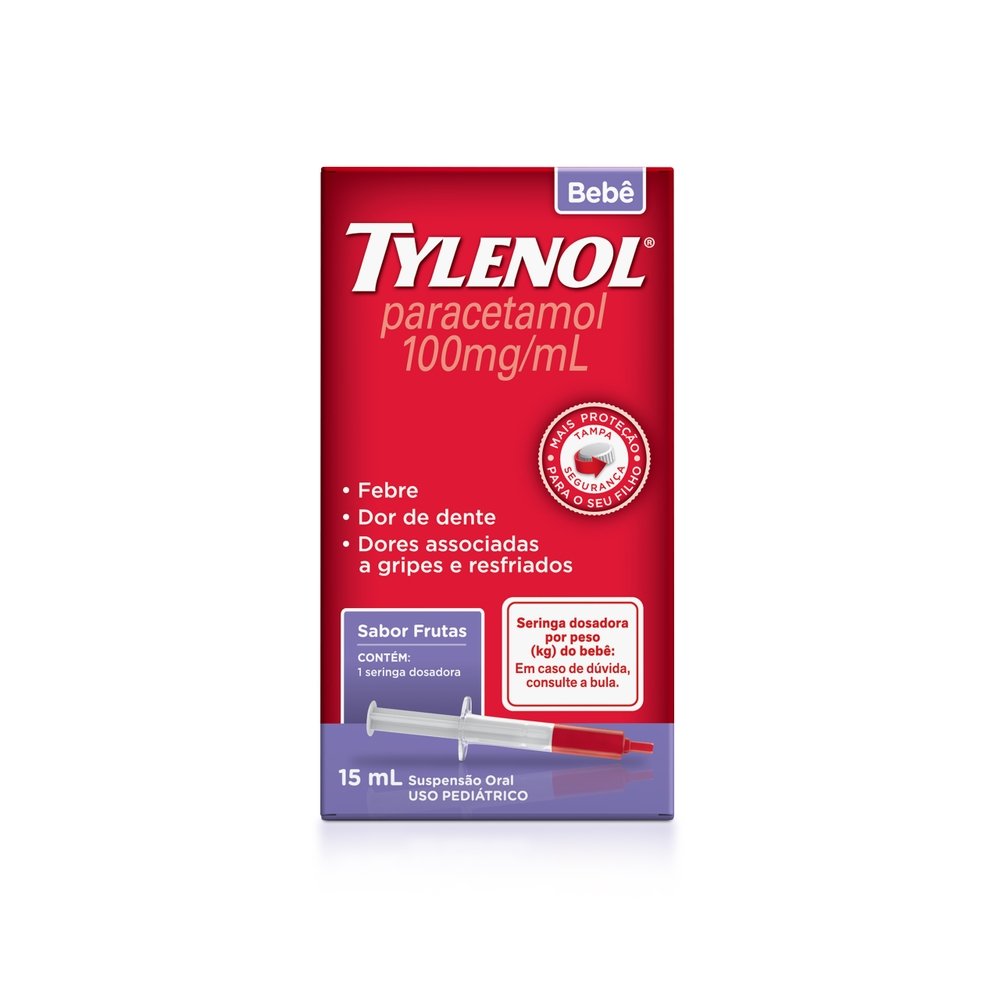
Is Tylenol Safe for Dogs with Hip Dysplasia: A Comprehensive Guide
As a pet owner, it's natural to seek the most effective pain management options for your furry friend, especially when dealing with a condition as painful as hip dysplasia. However, it's essential to understand the safety and efficacy of various medications, including Tylenol (acetaminophen), in canine patients.
Is Tylenol safe for dogs with hip dysplasia? The answer is almost always no. While Tylenol may be a common pain reliever for humans, it's not suitable for use in dogs. In this article, we'll delve into the risks associated with Tylenol in dogs and explore safer alternatives for managing hip dysplasia pain.
What is Hip Dysplasia in Dogs?
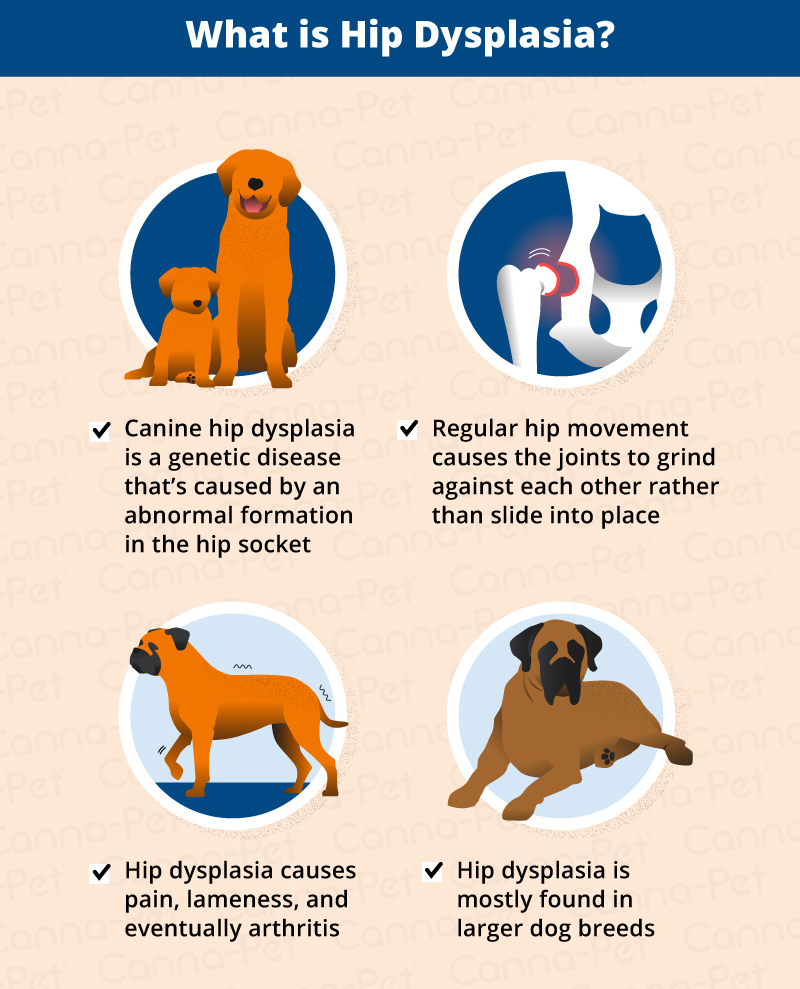
Hip dysplasia is a developmental joint condition that affects many large and giant breed dogs. It occurs when the ball and socket of the hip joint don't fit together properly, causing friction and instability. Over time, this can result in joint deterioration, inflammation, and arthritis, making movement difficult and painful for your dog.
Canine hip dysplasia is a common health issue affecting dogs, particularly large breeds. While there is no cure for the condition, various treatment options and medicines can help manage the condition, reduce pain and inflammation, and improve the quality of life.
Risks of Using Tylenol in Dogs
Tylenol (acetaminophen) is a common pain reliever for humans, but it's not safe for use in dogs. The risks associated with using Tylenol in dogs include:
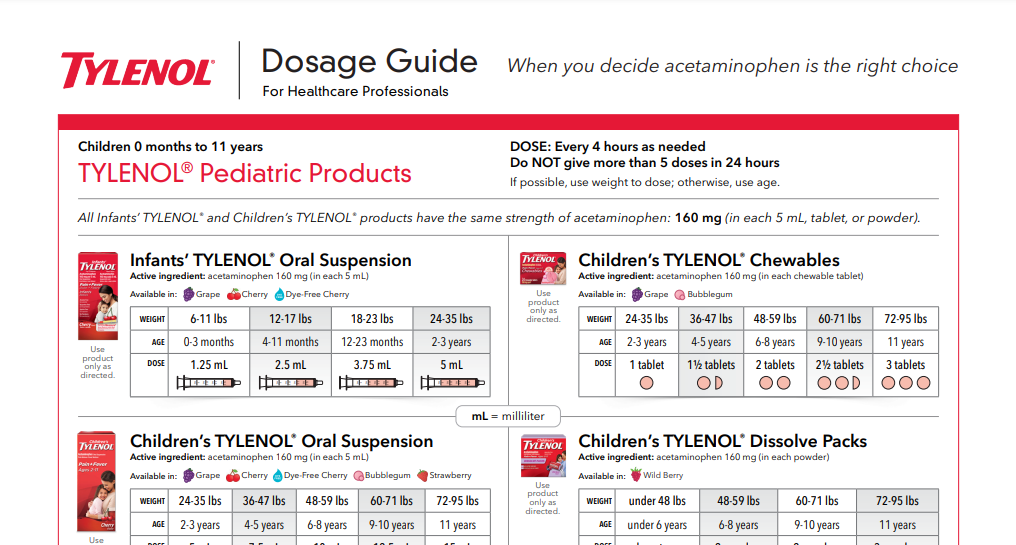
- Liver damage: Tylenol can cause liver damage in dogs, leading to vomiting, diarrhea, and lethargy.
- Blood cell damage: Tylenol can also cause blood cell damage in dogs, leading to anemia, weakness, and pale gums.
- Interference with blood's ability to carry oxygen: Tylenol can interfere with the blood's ability to carry oxygen, leading to respiratory distress and even heart failure.
- Severe illness: Using Tylenol in dogs can lead to severe illness, including seizures, coma, and even death.
Alternatives to Tylenol for Dogs with Hip Dysplasia
While Tylenol is not a safe option for dogs with hip dysplasia, there are many safer alternatives available. Your veterinarian may recommend the following:
- Nonsteroidal anti-inflammatory drugs (NSAIDs): These medications, such as Galliprant, are designed specifically for dogs and can help reduce pain and inflammation.
- Glucosamine and chondroitin supplements: These natural supplements can help support joint health and reduce pain and inflammation.
- Physical therapy and exercise: Regular exercise and physical therapy can help improve mobility and reduce pain.
- Surgery: In severe cases of hip dysplasia, surgery may be necessary to alleviate pain and restore joint function.
Conclusion
Is Tylenol safe for dogs with hip dysplasia? The answer is a clear no. While Tylenol may be a common pain reliever for humans, it's not suitable for use in dogs due to the risks of liver damage, blood cell damage, and interference with the blood's ability to carry oxygen.
Instead, your veterinarian may recommend safer alternatives, such as NSAIDs, glucosamine and chondroitin supplements, physical therapy, and surgery. By working with your veterinarian and exploring these options, you can help manage your dog's hip dysplasia pain and improve their quality of life.