How to Secure Your Online Bank Account Access: A Comprehensive Guide
In today's digital age, online banking has become an essential part of our lives, making it easier to manage our finances, pay bills, and transfer funds with just a few clicks. However, with the increasing popularity of online banking, it has also become a prime target for hackers and cybercriminals, who seek to exploit vulnerabilities in our online bank account access. In this article, we will provide a comprehensive guide on the best practices to secure your online bank account access, protect your sensitive data, and prevent identity theft.
Why Online Bank Account Security is Crucial
Online banking provides convenience, flexibility, and accessibility to our financial information. However, if your online bank account access is compromised, you risk losing sensitive data, financial information, and even your identity. Cybercriminals can use your online banking credentials to transfer funds, make purchases, and even open new accounts in your name. Therefore, it is essential to take proactive measures to secure your online bank account access.
Best Practices to Secure Your Online Bank Account Access
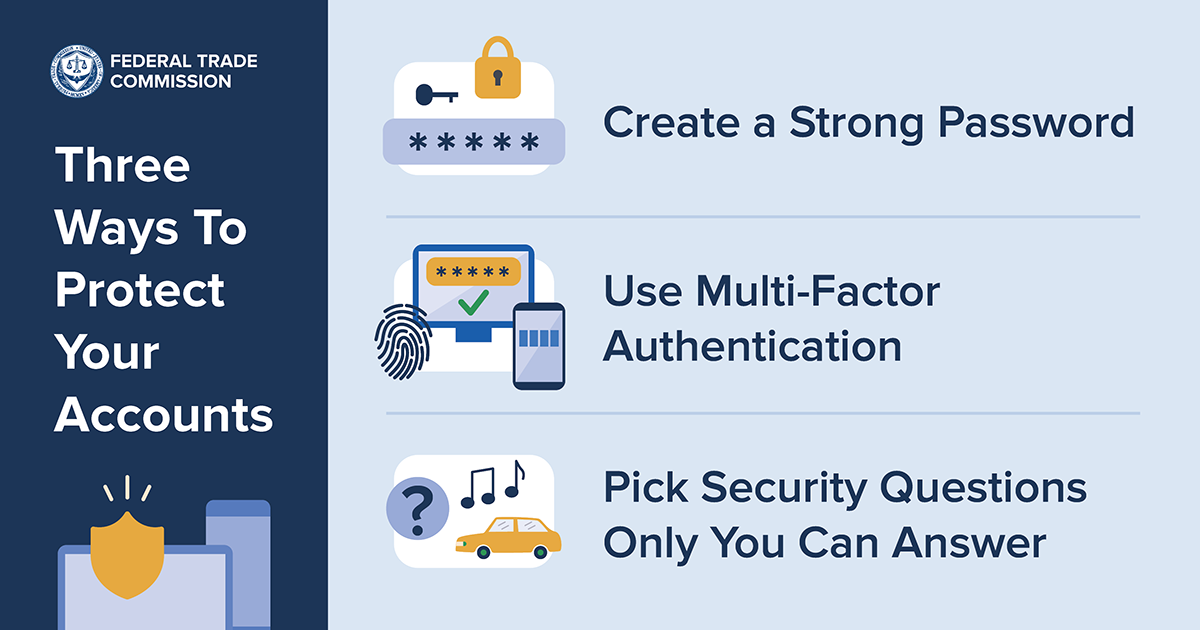
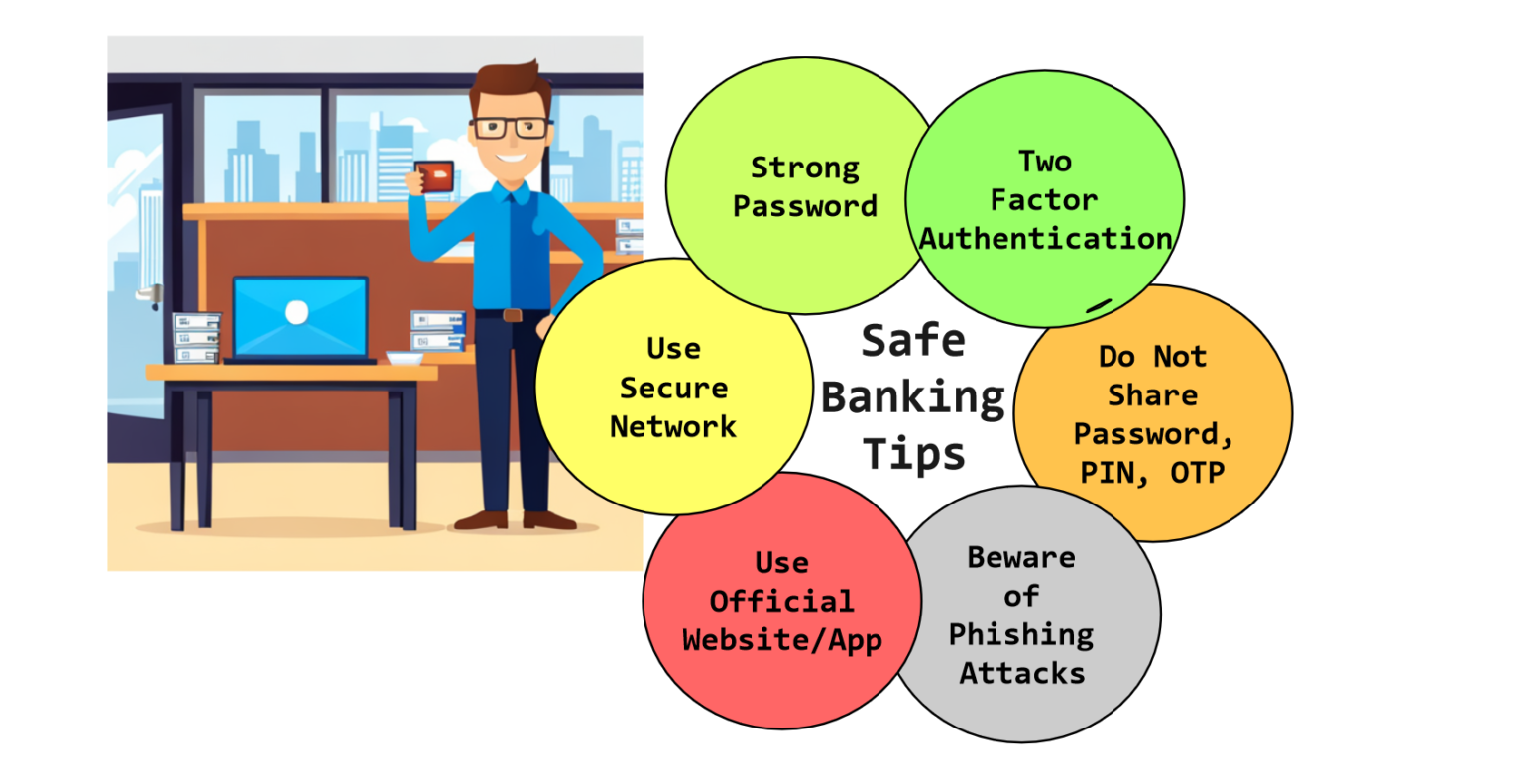
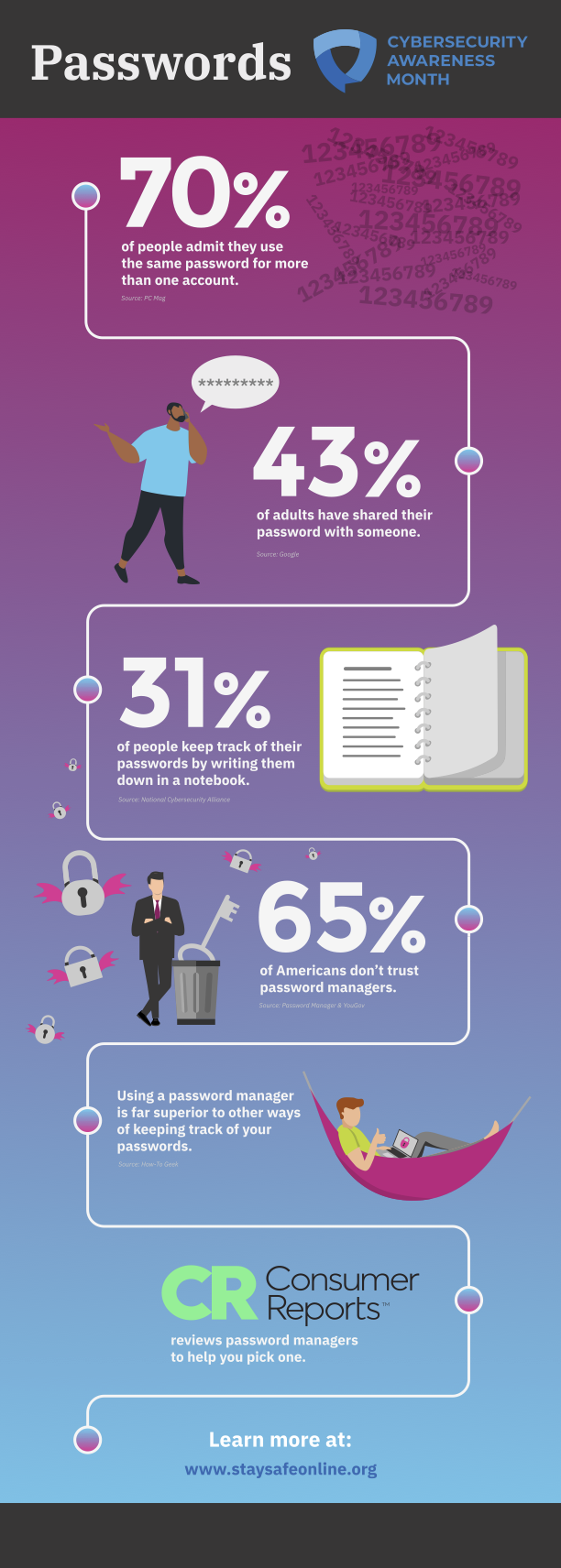
Use Strong and Unique Passwords: A strong password is the first line of defense against cyber threats. Use a combination of uppercase and lowercase letters, numbers, and special characters to create a password that is difficult to crack. Avoid using easily guessable information such as your name, birthdate, or common words. Use a password manager to generate and store unique passwords for each of your online banking accounts.
Enable Two-Factor Authentication (2FA): 2FA adds an extra layer of security to your online bank account access by requiring a second form of verification, such as a code sent to your phone or a biometric scan. This makes it much harder for hackers to gain unauthorized access to your account.
Use Secure Networks: When accessing your online bank account, use a secure and trusted network, such as a home Wi-Fi network or a mobile network. Avoid using public Wi-Fi networks, which can be vulnerable to hacking and data interception.
Monitor Your Account Activity: Regularly monitor your online bank account activity for any suspicious transactions or unauthorized access. Set up account alerts to notify you of any unusual activity, and report any suspicious transactions to your bank immediately.
Keep Your Devices and Software Up-to-Date: Ensure that your devices, operating systems, and software are up-to-date with the latest security patches and updates. This will help protect your devices from known vulnerabilities and prevent hackers from exploiting them.
Use Anti-Virus and Anti-Malware Software: Install anti-virus and anti-malware software on your devices to protect against malware and other types of cyber threats. Keep your software up-to-date and run regular scans to detect and remove any malware.
Be Cautious with Phishing Scams: Be aware of phishing scams, which can trick you into revealing your online banking credentials or other sensitive information. Never respond to unsolicited emails or messages that request your online banking credentials or other sensitive information.

Additional Tips to Secure Your Online Bank Account Access
Use a Virtual Private Network (VPN): A VPN can encrypt your internet traffic and protect your online bank account access from hackers and cybercriminals.
Use a Secure Browser: Use a secure browser, such as Tor or a browser with built-in security features, to access your online bank account.
Avoid Using Public Computers: Avoid using public computers or public libraries to access your online bank account, as they can be vulnerable to hacking and data interception.
Use a Credit Monitoring Service: Consider using a credit monitoring service to track your credit report and detect any suspicious activity.
Conclusion
Securing your online bank account access is crucial to protecting your sensitive data, financial information, and identity. By following the best practices outlined in this article, you can significantly reduce the risk of cyber threats and protect your online bank account access. Remember to stay vigilant, be cautious of phishing scams, and regularly monitor your account activity to prevent unauthorized access. By taking proactive measures to secure your online bank account access, you can enjoy the benefits of online banking while protecting your financial security.


![Online Banking Security: 10 Tips From a Tech Expert [2026]](https://www.accountinghub-online.com/wp-content/uploads/2023/01/Bank-of-America-Login-1024x507.png "Online Banking Security: 10 Tips From a Tech Expert [2026]")