How to Keep Your Online Activity Secure: A Comprehensive Guide
In today's digital age, it's more important than ever to protect your online activity and personal data from falling into the wrong hands. With the rise of cyber threats and data breaches, it's not uncommon for sensitive information to be stolen or compromised. However, there are simple steps you can take to keep your online activity secure and maintain your online privacy.Understand the Risks of Online Activity
Before we dive into the ways to keep your online activity secure, it's essential to understand the risks involved. Your online activity can be tracked, monitored, and even sold to third parties, compromising your personal data and online security. This includes:- Identity theft and scams
- Malware and virus attacks
- Data breaches and hacking
- Phishing and social engineering attacks
Secure Your Devices and Accounts
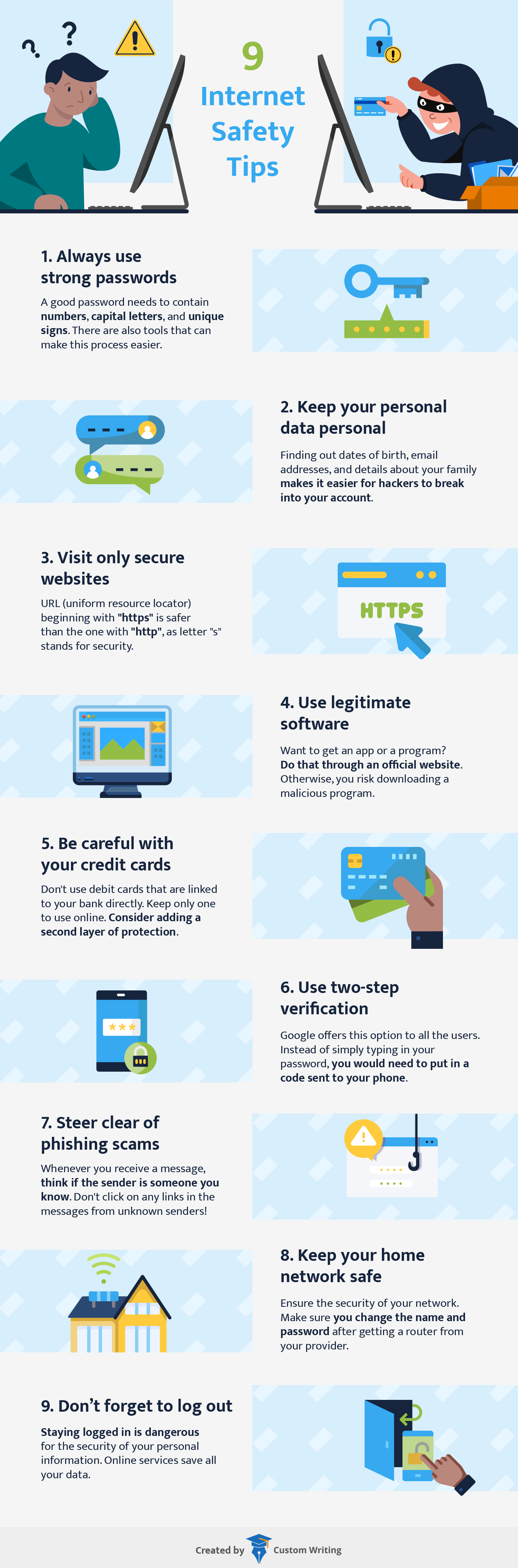
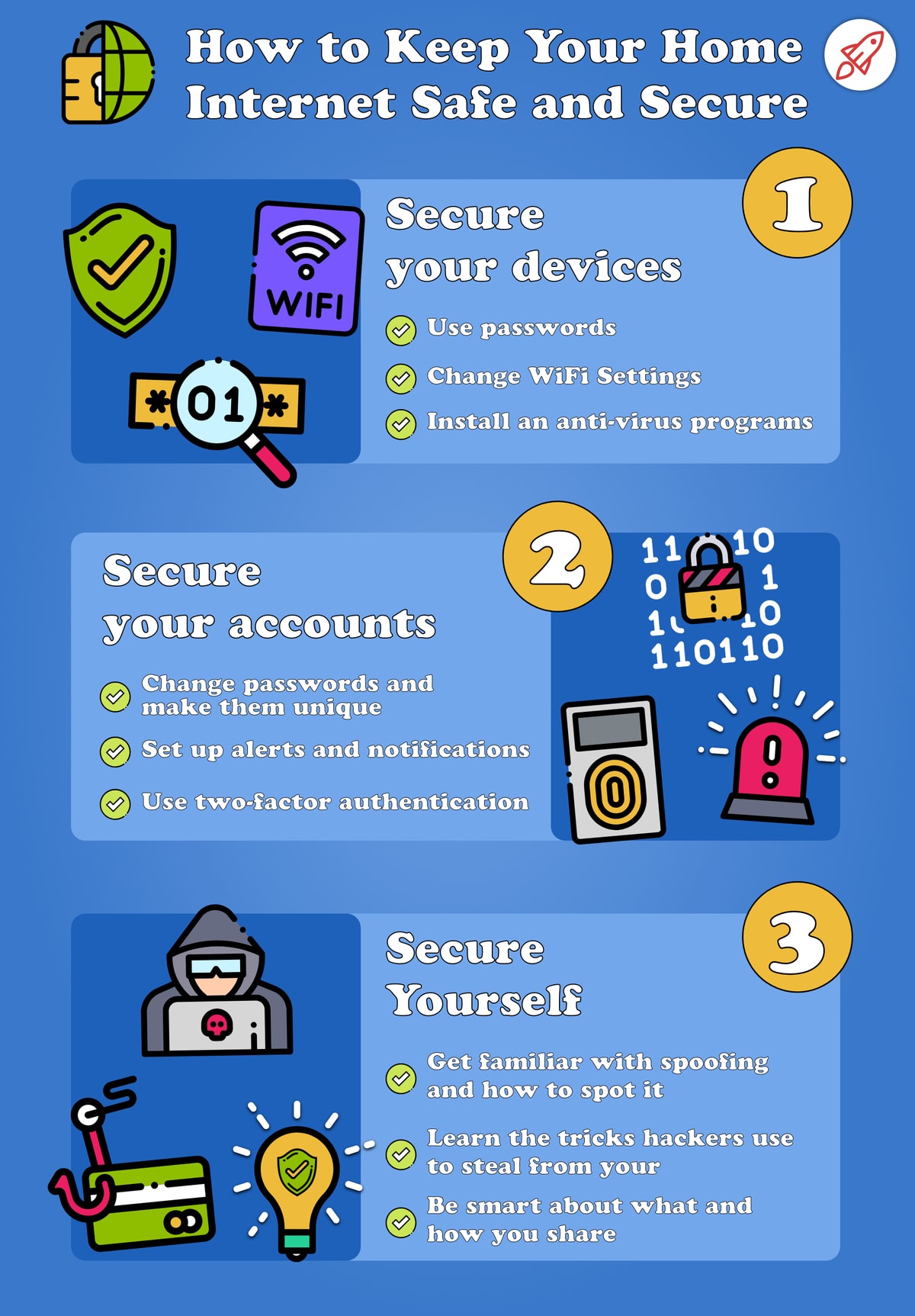
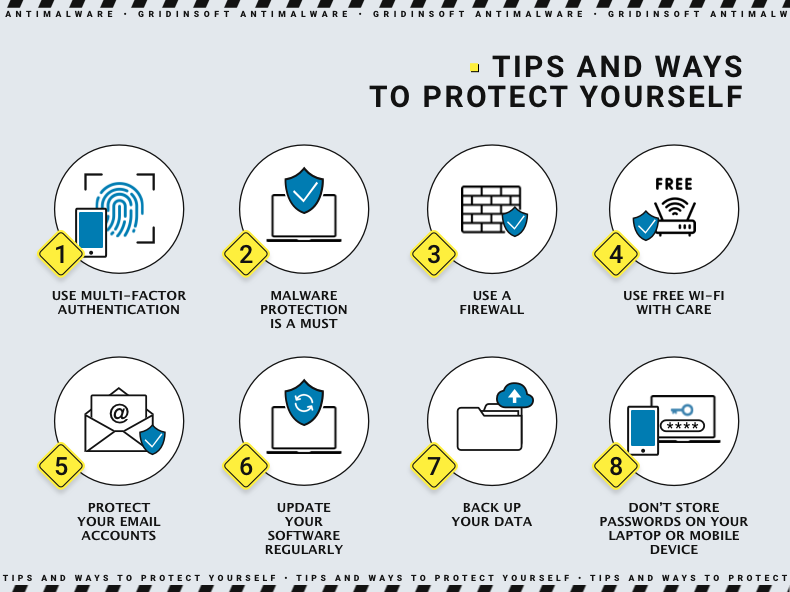
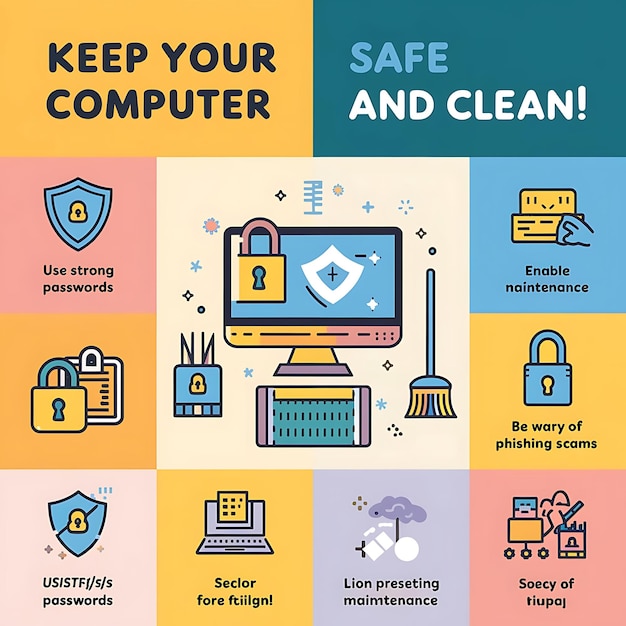
To keep your online activity secure, start by securing your devices and accounts:- Passwords: Use strong, unique passwords for all accounts, and consider using a password manager to generate and store them securely.
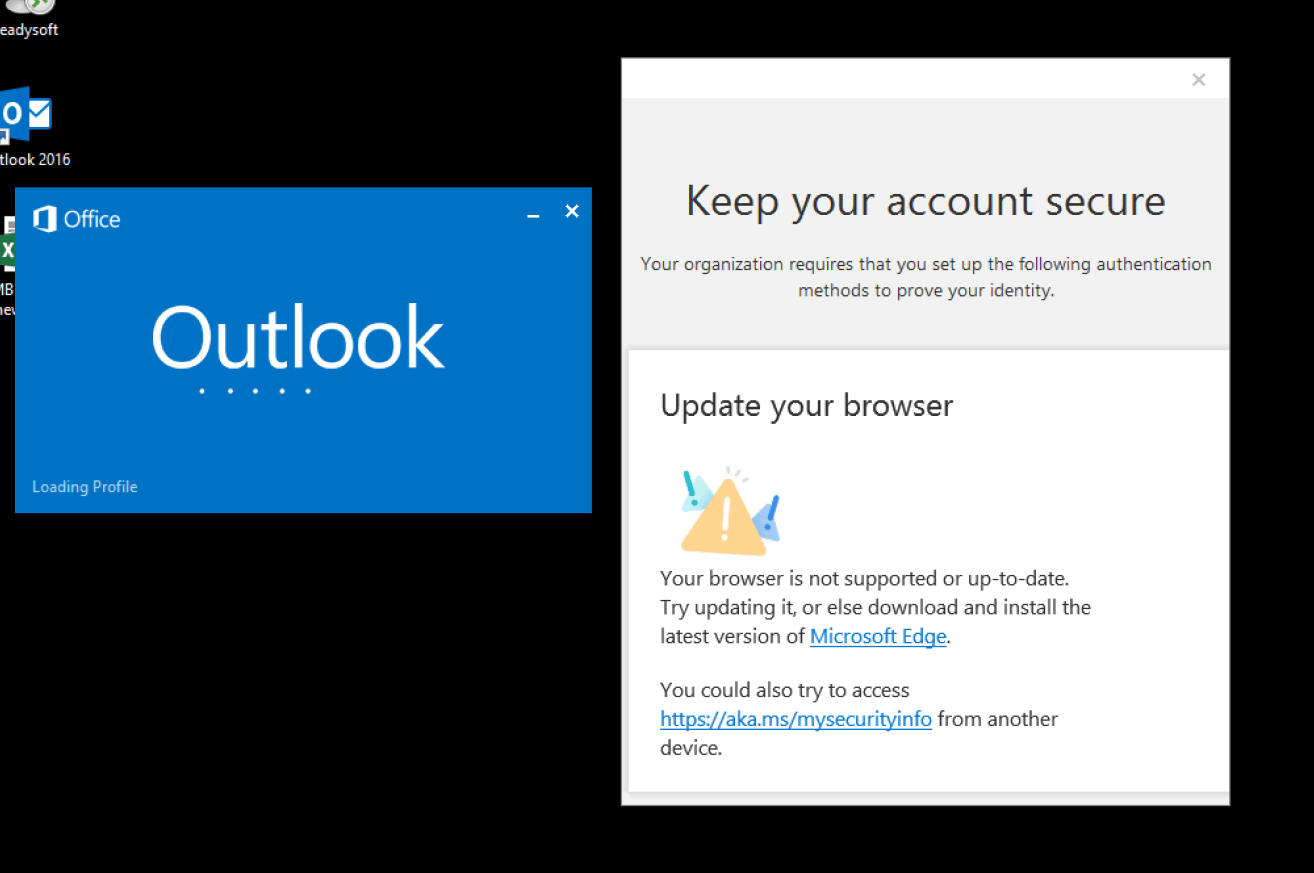
- Two-Factor Authentication (2FA): Enable 2FA on all accounts that offer it, including email, social media, and financial institutions.
- Update Your Software: Regularly update your operating system, browser, and other software to ensure you have the latest security patches and features.
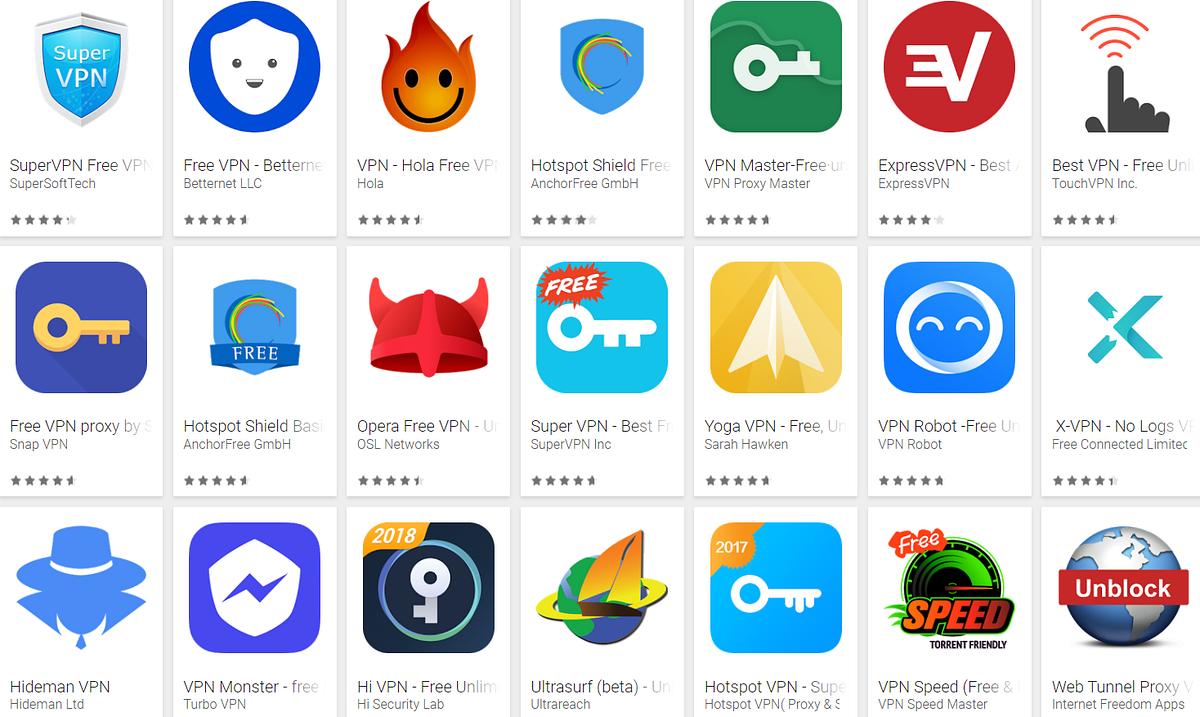
- Use a VPN: Consider using a Virtual Private Network (VPN) to encrypt your internet traffic and protect your data when using public Wi-Fi networks.
Monitor Your Online Activity and Accounts

- Account Activity: Regularly review your account activity, including login history, transactions, and other sensitive information.
- Password Alerts: Set up password alerts to notify you of suspicious activity, such as login attempts from unknown devices or locations.
- Data Breach Alerts: Sign up for data breach alerts to receive notifications if your personal data has been compromised in a data breach.
Protect Your Data and Online Identity
Protecting your data and online identity is crucial to maintaining your online security:- Data Encryption: Use encryption to protect sensitive data, such as financial information, passwords, and personal identifiable information (PII).
- Online Reputation: Monitor your online reputation by regularly searching for your name and checking your social media profiles for suspicious activity.
- Secure Payment Methods: Use secure payment methods, such as credit cards or digital wallets, to protect your financial information.
Stay Informed and Educated
Finally, staying informed and educated about online security threats and best practices is essential to maintaining your online security:- Stay Up-to-Date: Regularly update your knowledge of online security threats and best practices by attending webinars, reading online security blogs, and participating in online forums.
- Report Suspicious Activity: Report suspicious activity to the relevant authorities, such as your bank or credit card company, to help prevent and investigate online security threats.