How to Learn Python Salesforce
Introduction
Salesforce is a powerful customer relationship management (CRM) platform used by many businesses around the world. In order to make the most of Salesforce, it can be useful to integrate it with Python. With the help of Python, you can gain access to data stored in Salesforce and use it for tasks such as developing automated scripts or integrating Salesforce with other programs.Why Integrate Python and Salesforce
Integrating Python and Salesforce has many undeniable benefits for any business, including ease of use, broad integration capabilities with all kinds of services and systems, scalability, and unrivaled flexibility. Python, along with Salesforce CRM, can do everything.What Can You Learn from Python and Salesforce Integration?
By using Python in Salesforce, you can:- Enhance what Salesforce can do without the restriction of Salesforce's governor restrictions
- Build machine learning models that can help automate business processes or make predictions based on Salesforce data
- Perform CRUD (Create, Read, Update, Delete) operations on Salesforce objects
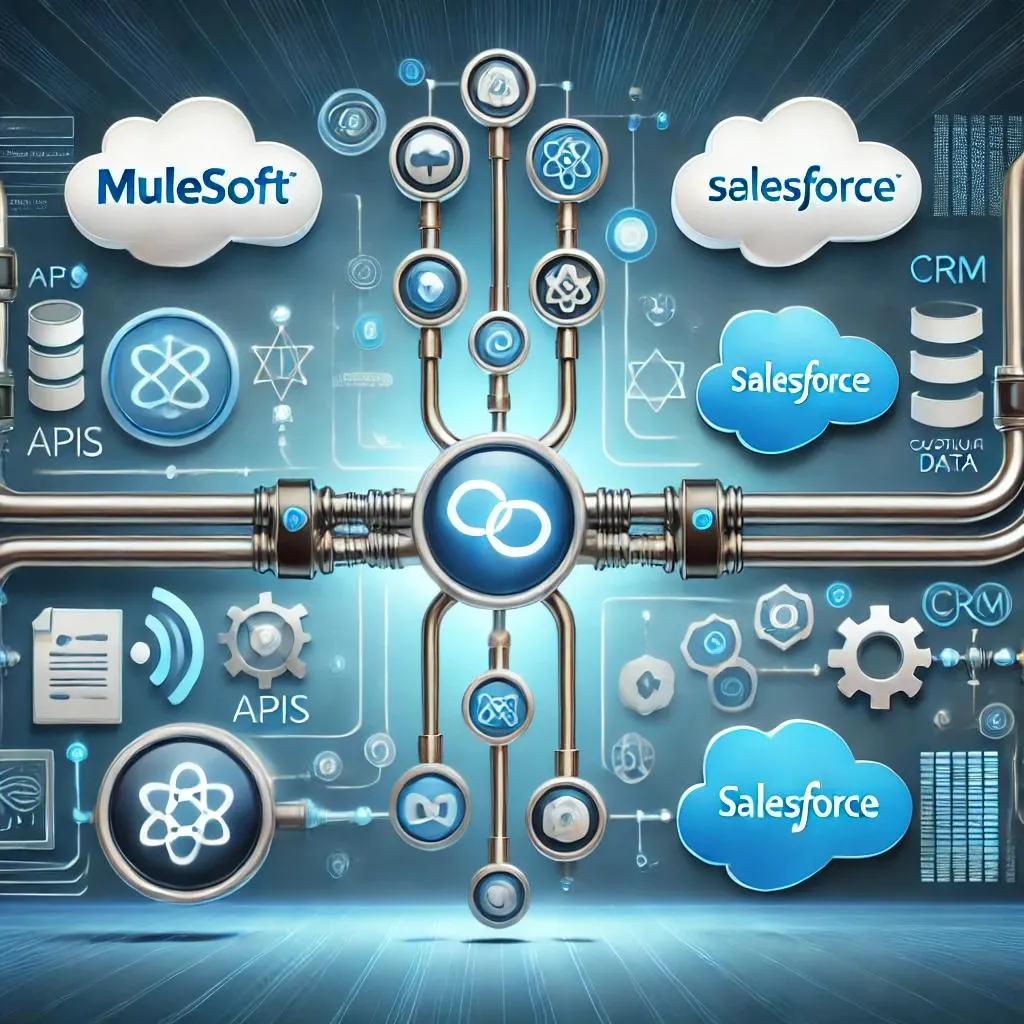
- Integrate Salesforce with other systems and services using Python
Getting Started with Python and Salesforce
To get started with integrating Python and Salesforce, you will need to:- Install the Salesforce Python SDK using pip
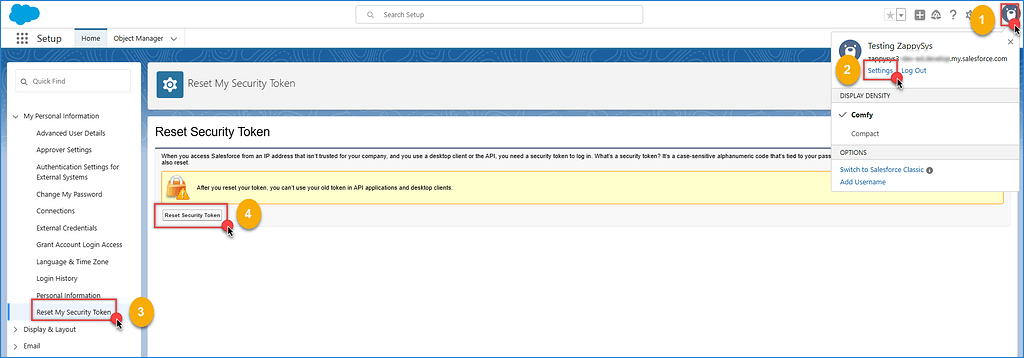
- Configure the SDK by setting up the authentication and API endpoints
- Initialize the Salesforce object by instantiating the client
- Use the connected app to interact with Salesforce data and perform actions
Resources for Learning Python and Salesforce Integration

- Simple Salesforce: A basic Salesforce.com REST API client built for Python, providing a very low-level interface to the REST Resource and APEX API
- Python for Salesforce Developers: A course that teaches how to use Python to communicate with the Salesforce platform
- Trailhead: A free learning platform provided by Salesforce, which includes modules on AI agents, analytics, development, ethics, and more
- Selenium: An open-source tool for automating web browsers, which can be used to interact with the Salesforce interface
Best Practices for Integrating Python and Salesforce
When integrating Python and Salesforce, it's essential to follow best practices, including:- Using the correct authentication method, such as OAuth or username and password
- Setting up the correct API endpoints and client IDs
- Using the correct data types and formats for storing and retrieving data
- Handling errors and exceptions properly
Real-World Use Cases for Python and Salesforce Integration
Python and Salesforce can be integrated to automate processes, enhance data analysis, and extend functionality. Some real-world use cases include:- Automating data extraction from Salesforce objects for data analysis or building dashboards
- Building machine learning models that use Salesforce data to make predictions or automate business processes
- Integrating Salesforce with other systems and services, such as Gmail or Google Cloud