Mastering Exception Handling in Python: A Comprehensive Guide
When coding in Python, we often come across unexpected events that can disrupt the normal flow of our program. These events can be caused by a variety of factors, such as invalid input, missing files, or runtime errors. But don't worry, Python provides a robust mechanism for handling such exceptions, allowing your program to detect the problem, respond to it, and continue executing seamlessly.
What are Exceptions in Python?
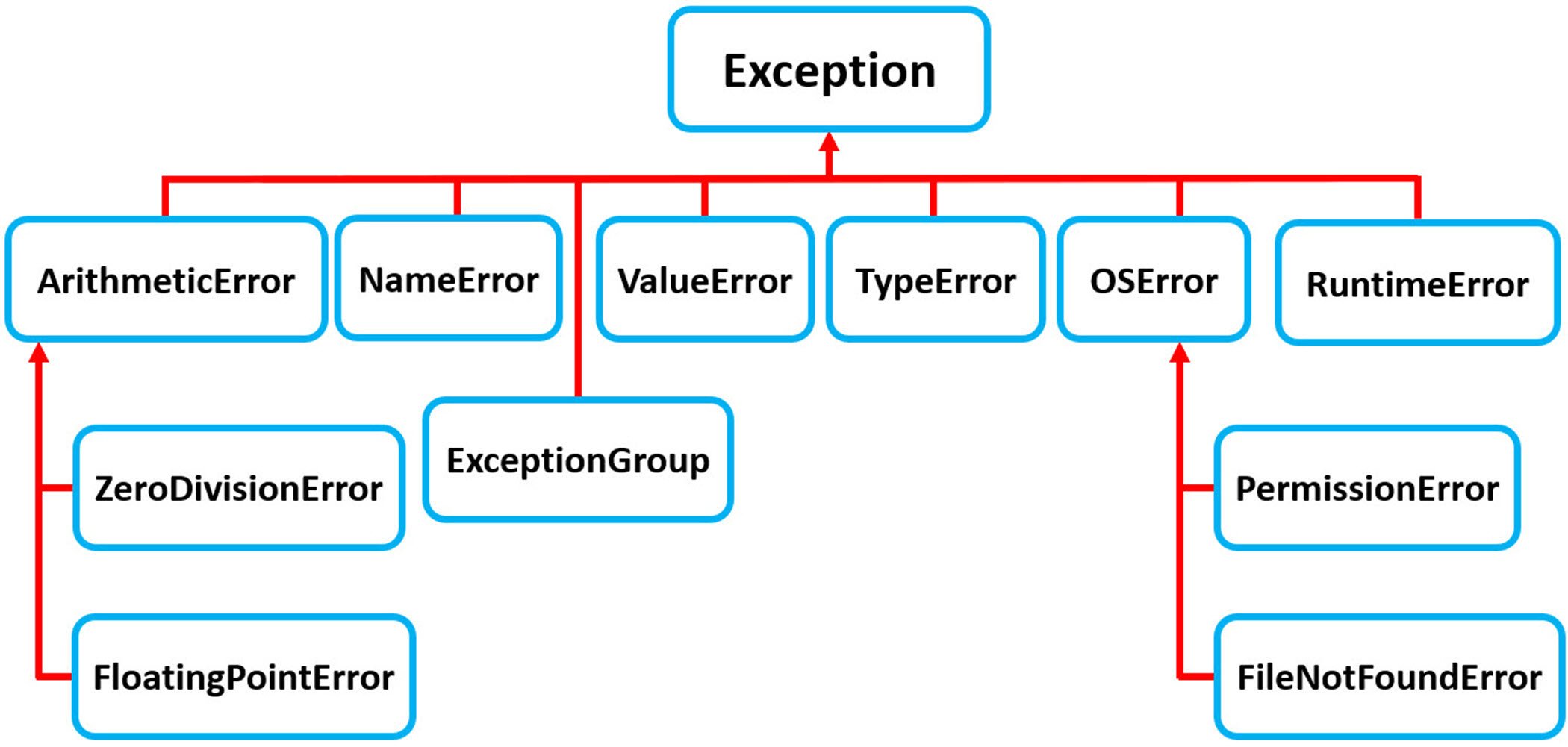
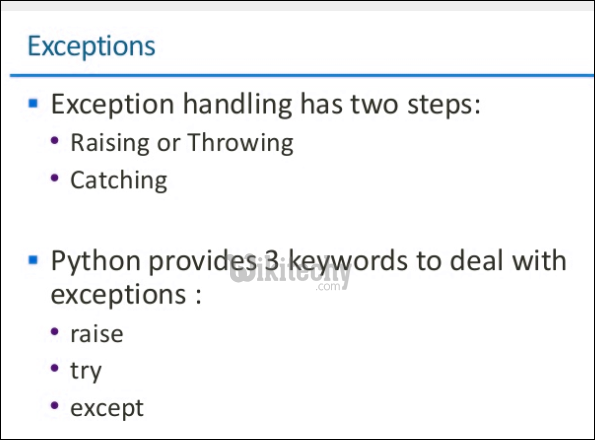
Exceptions in Python are instances of classes that signal an unexpected event occurred. They are not inherently fatal and can be handled using a try-except block. When a program encounters an exception, it raises the exception with the help of the raise keyword, and the program's execution is interrupted. However, by properly handling exceptions, you can create more robust and user-friendly applications.
Why is Exception Handling Important in Python?
- Exception handling allows you to write more robust and fault-tolerant programs that can handle errors gracefully.
- It enables you to manage errors in a structured way, making it easier to identify and fix issues.
- By handling exceptions, you can prevent your program from crashing unexpectedly and provide a better user experience.
How to Learn Python Exception Handling
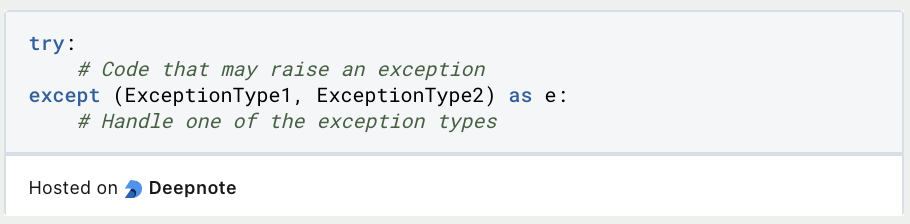
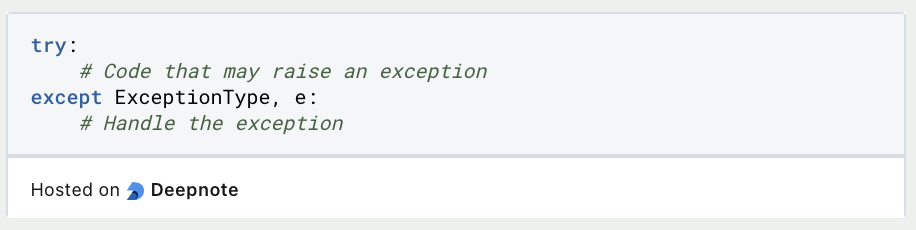
### Step 1: Understand the Try-Except BlockThe try-except block is the fundamental structure for handling exceptions in Python. The try clause contains the code that may raise an exception, while the except clause handles the exception. By using the try-except block, you can catch and manage exceptions in a more structured way.
```python try: # Code that may raise an exception except ExceptionType: # Code to handle the exception ``` ### Step 2: Learn to Raise ExceptionsTo throw an exception, you can use the raise keyword. By specifying a custom exception message, you can provide more information about the error and make it easier to diagnose the issue.
```python raise ExceptionType("Custom exception message") ``` ### Step 3: Master Custom ExceptionsCustom exceptions allow you to create tailored exceptions that are specific to your application. By creating custom exceptions, you can provide more context about the error and make it easier to handle exceptions in your program.
Best Practices for Exception Handling in Python
- Always use the try-except block to handle exceptions.
- Provide a specific exception type to handle exceptions in a more structured way.
- Use custom exceptions to create tailored exceptions that are specific to your application.
Conclusion
Mastering exception handling in Python is an essential skill for any developer. By understanding the try-except block, learning to raise exceptions, and mastering custom exceptions, you can create robust and user-friendly applications that handle errors gracefully. Remember to follow best practices for exception handling in Python to make your code more maintainable and efficient.
Additional Resources
For more information on exception handling in Python, check out the following resources:
- Python Documentation: [Exception Handling](https://docs.python.org/3/tutorial/errors.html)
- Python Tutorial: Exception Handling
Practice your skills with these code examples and exercises:
- Test your knowledge of Python exception handling with these MCQs.
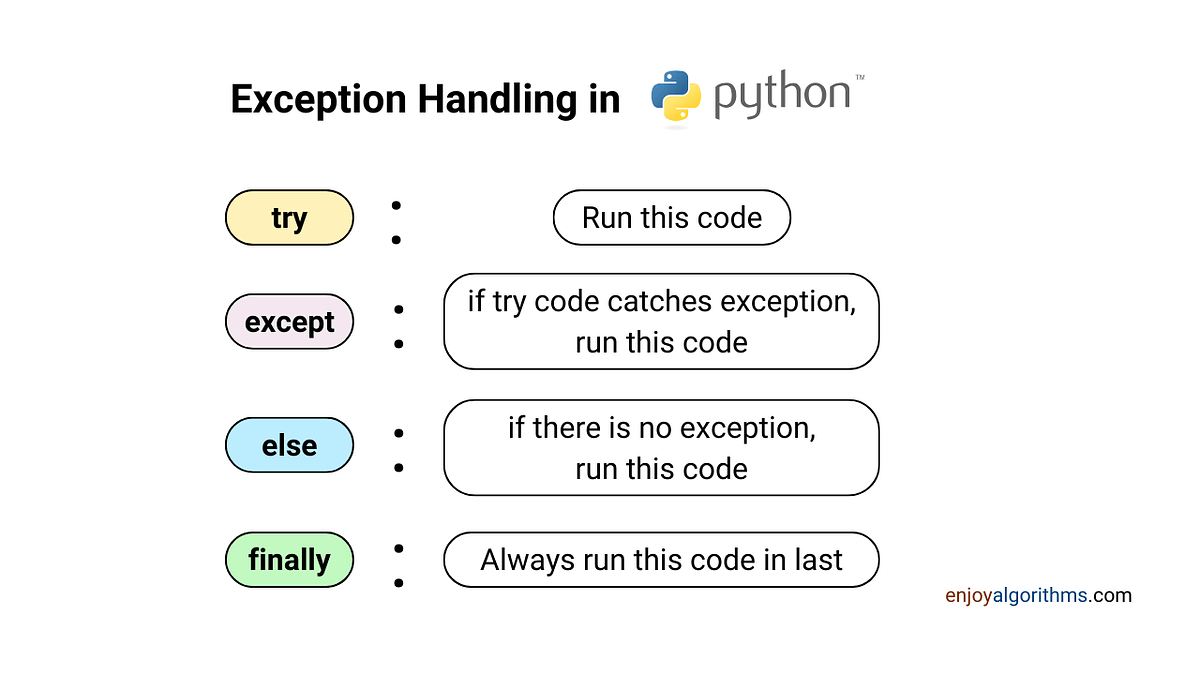
- Learn to handle exceptions in Python using try, except, else, and finally blocks.