Uncovering the Health Effects of Insomnia: A Comprehensive Guide
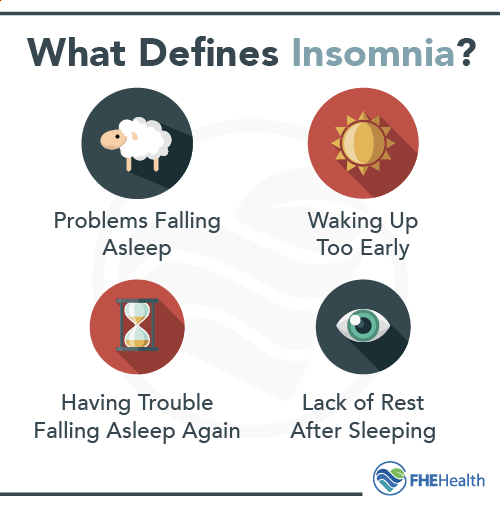
Insomnia is a common sleep disorder that affects millions of people worldwide. Defined as difficulty initiating or maintaining sleep, insomnia can have a significant impact on an individual's overall health and well-being. In this article, we will delve into the health effects of insomnia, exploring its causes, symptoms, and the long-term risks associated with the condition.
What are the Health Effects of Insomnia?
Research has shown that insomnia can lead to a range of health problems, including:
-
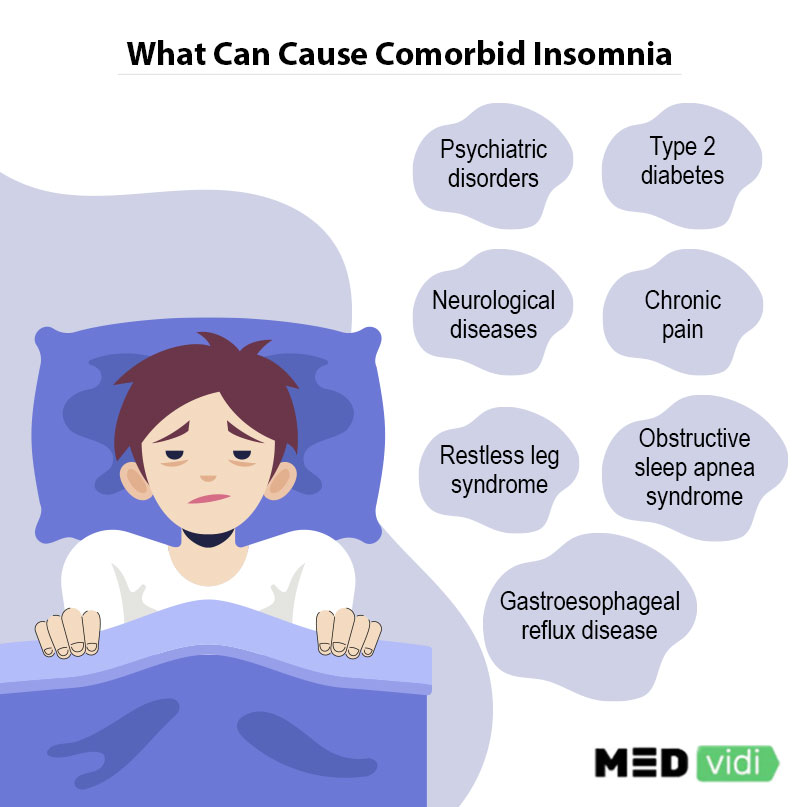
Increased risk of diabetes: Studies have found that individuals with insomnia are more likely to develop type 2 diabetes due to chronic sleep deprivation.
-
Weakened immune system: Sleep plays a crucial role in immune function, and chronic sleep deprivation can weaken the immune system, making individuals more susceptible to illnesses.
-
Cardiovascular disease: Insomnia has been linked to an increased risk of heart disease, including high blood pressure, heart attacks, and strokes.
-
Mood disorders: Insomnia is often associated with depression, anxiety, and other mood disorders due to the disruption of sleep patterns.
-
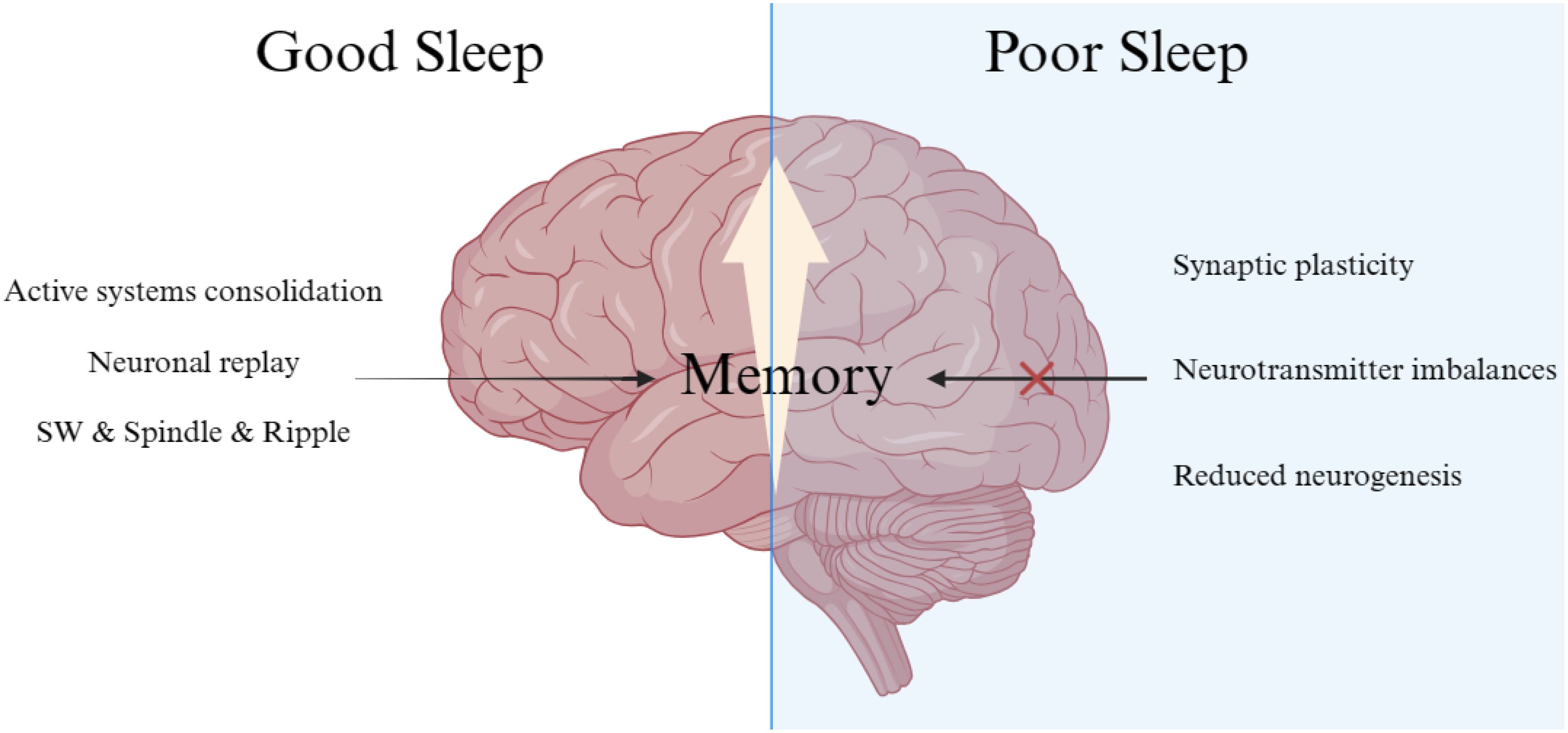
Impaired cognitive function: Sleep deprivation can affect memory, concentration, and decision-making skills, making it difficult to perform daily tasks.
Why is Insomnia a Concern for Overall Health?
Insomnia is a concern for overall health because it can disrupt the body's natural sleep-wake cycle, leading to a range of physical and mental health problems. The health effects of insomnia can be severe and long-lasting, making it essential to address the condition promptly.
What are the Causes of Insomnia?
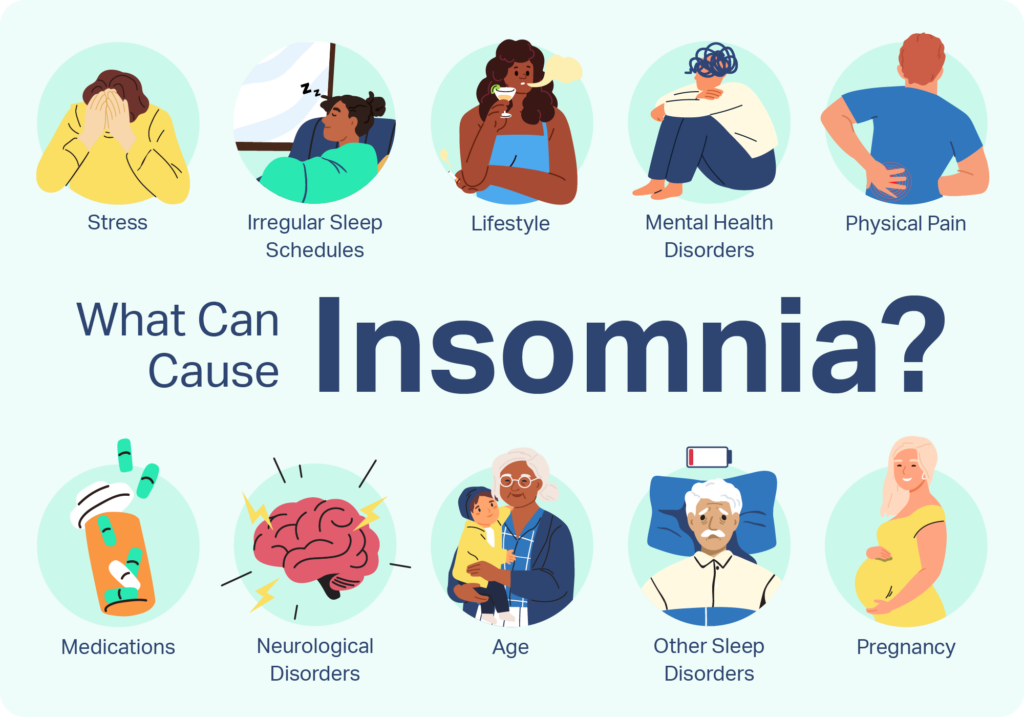
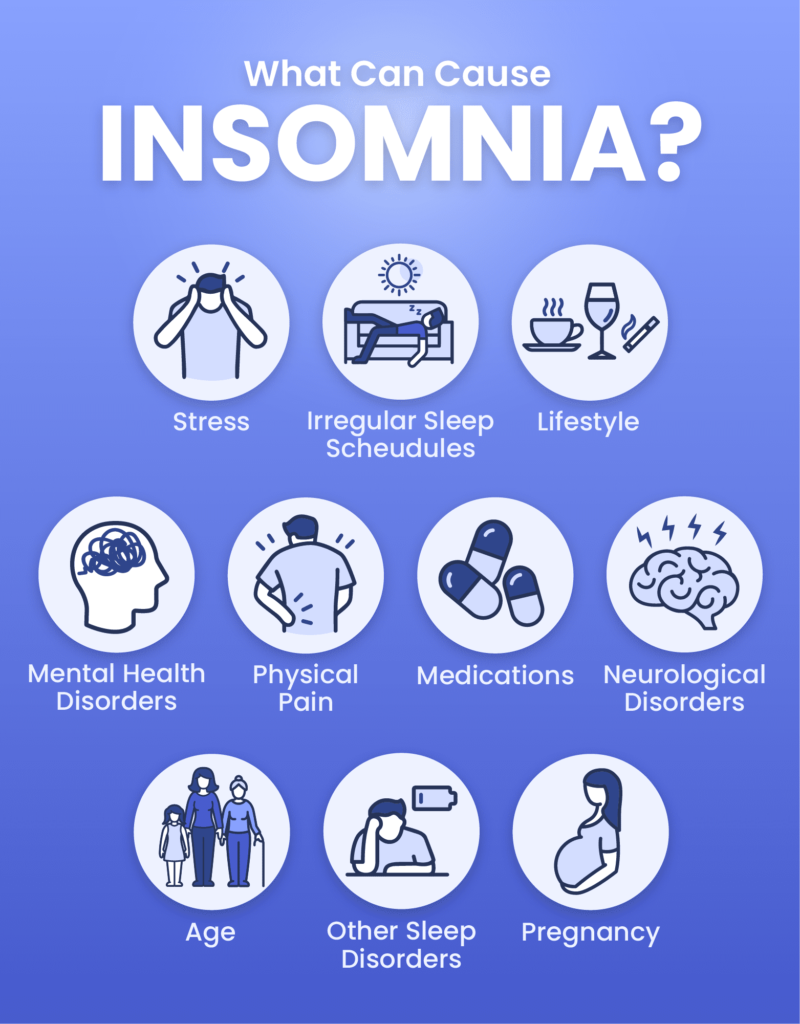
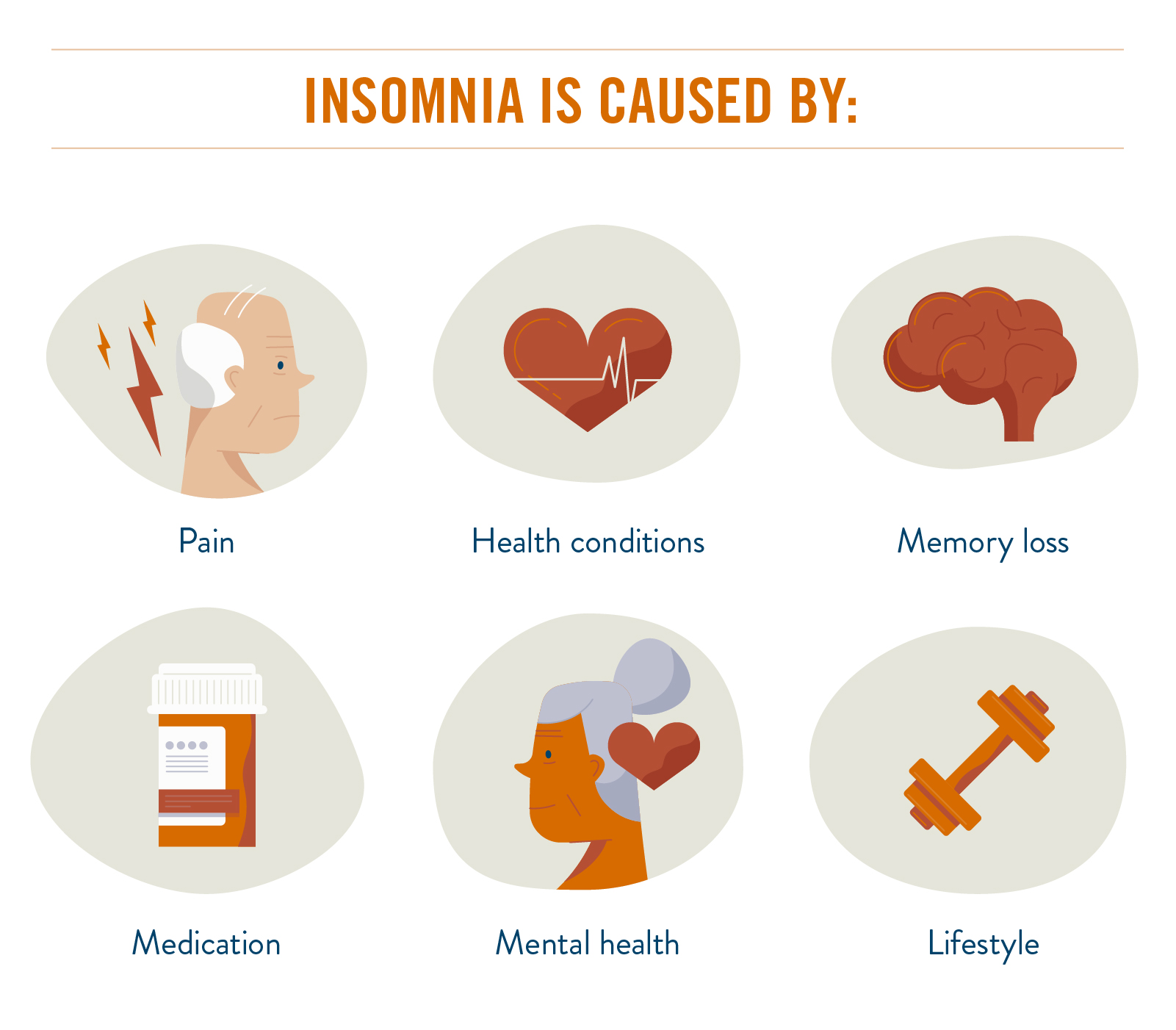
Insomnia can be caused by a range of factors, including:
-
Stress and anxiety
-
Irregular sleep schedules
-
Environmental factors, such as noise and light pollution
-
Medical conditions, such as chronic pain or sleep disorders
-
Medications, such as those used to treat depression or high blood pressure
How Can Insomnia be Treated?
Treatment options for insomnia include:
-
Behavioral therapy, such as cognitive-behavioral therapy for insomnia (CBT-I)
-
Relaxation techniques, such as deep breathing and progressive muscle relaxation
-
Melatonin supplements, which can help regulate sleep-wake cycles
-
Prescription sleep aids, such as sedatives and hypnotics
Conclusion
Insomnia is a common sleep disorder that can have severe and long-lasting health effects. Understanding the causes, symptoms, and treatment options for insomnia is essential for addressing the condition promptly and preventing its negative effects on overall health. By prioritizing sleep health and seeking professional help when needed, individuals can take control of their sleep and improve their overall well-being.