Getting a Driver's License in Another State
Dec 13, 2025Moving to a newstateor returning after a stay requires updating yourdriver'slicense. The process varies bystate, but most jurisdictions share core steps: verify residency, provide identification, pass vision tests or knowledge exams if required, and pay a fee.
Steps to Obtain a Driver's License in Another State
To transfer or obtain a driver's license in another state, you must first verify your residency in that state. This can be done by providing proof of residence, such as a utility bill, lease agreement, or bank statement. Once you've established residency, you'll need to provide identification, which may include a valid out-of-state driver's license, passport, or other government-issued ID. You may also be required to pass a vision test or knowledge exam, depending on the state's regulations. Additionally, you'll need to pay the required fee for the new license.
Required Documents
- Proof of Residency (utility bill, lease agreement, bank statement)
- Valid Out-of-State Driver's License or other government-issued ID
- Passport
- Check or money order for the license fee
License Transfer or Reciprocity
The process to transfer a driver's license from one state to another is commonly referred to as a license transfer or reciprocity. States require proof of identity, residency, and a valid out-of-state license. The specifics of the transfer or reciprocity process will vary by state, so it's essential to check with your state's DMV or equivalent agency for the most up-to-date information.
State-Specific Requirements
Each state has its own set of requirements for transferring or obtaining a driver's license. Some states require a written test, vision test, or road test, while others may not. For example:
- Arizona: You may not need to take a written test if you have an out-of-state license. Additionally, you can exchange your out-of-state license for an Arizona license of the same class.
- California: You must surrender any out-of-state driver's license or ID card when applying for a California license. You'll also need to provide a copy of your driving record or motor vehicle report (MVR) if your license has been lost or stolen.
- Florida: You may be eligible to waive the vision test if you have a valid out-of-state license.
- New York: You must exchange your out-of-state driver's license for a New York State license within 30 days of becoming a resident.
REAL ID
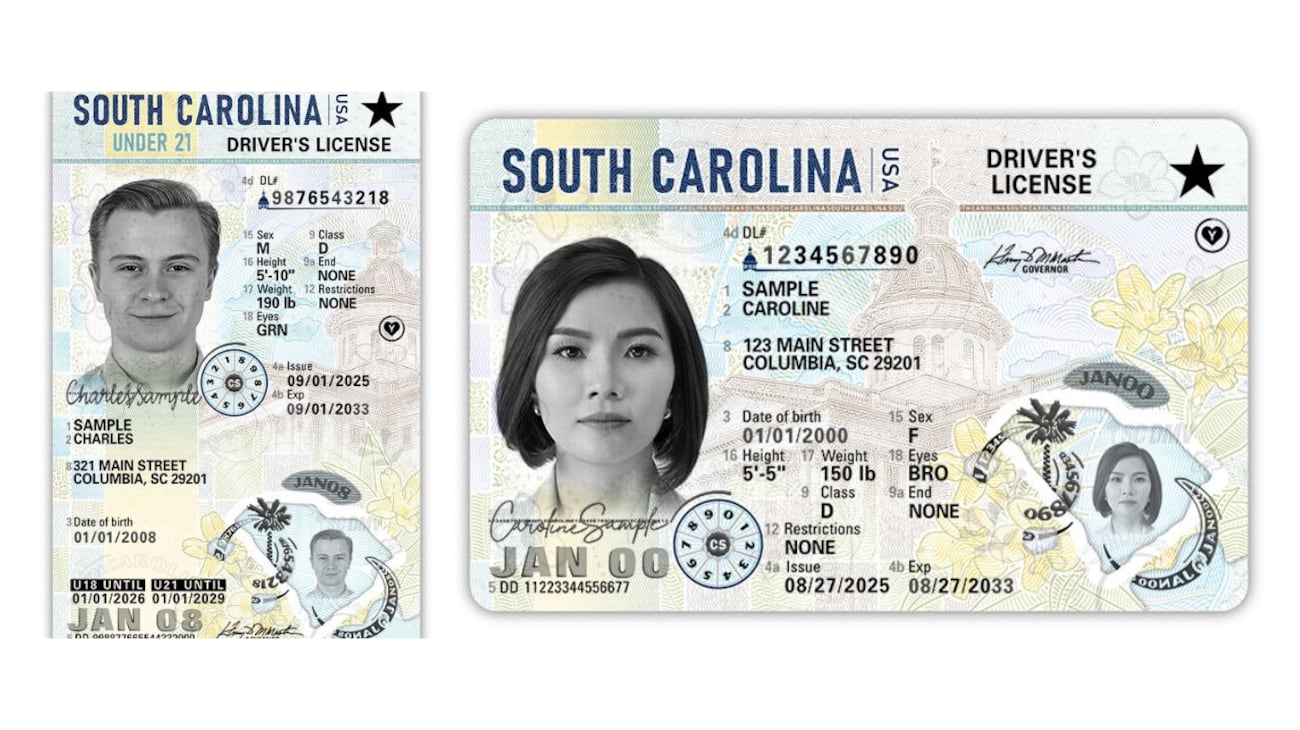
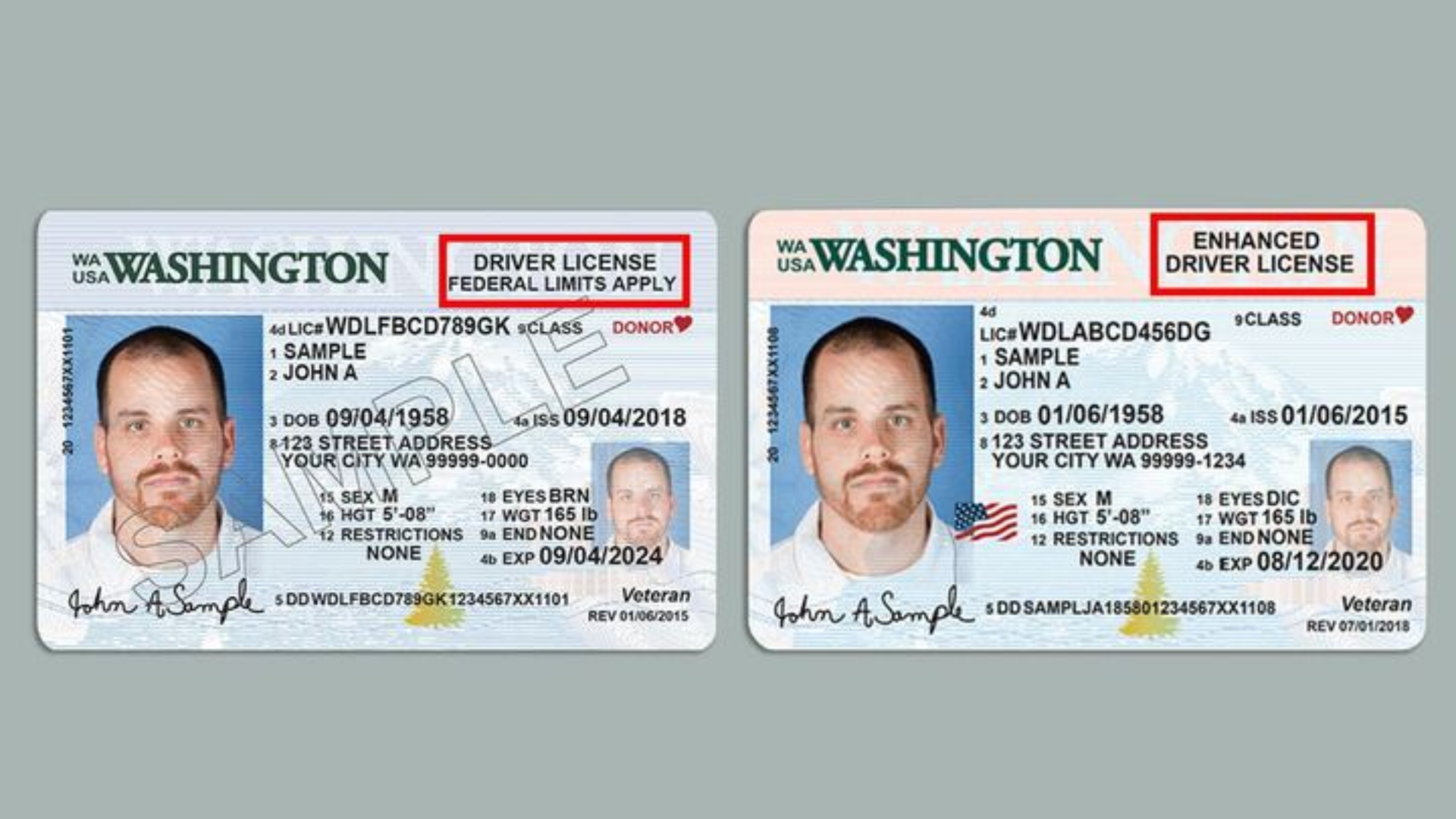
REAL ID is a federal law that affects how states issue driver's licenses and ID cards for federal purposes. Starting in 2025, a REAL ID-compliant license or ID will be required for domestic air travel and entering certain federal facilities. To upgrade to a REAL ID, you'll need to provide more extensive documentation, including proof of identity, social security number, and residency.
Additional Tips
County-Specific Requirements
Some states have different requirements for various counties. For example, in Indiana, you may need to provide additional documentation in some counties. It's essential to check with your local DMV or equivalent agency for specific requirements.
International Driving Permits
When visiting another country, you may need an International Driving Permit (IDP) to drive in countries where your state-issued driver's license is not valid. Check with the Department of State's website for specific requirements for the country you'll be visiting.
Replacing a Lost or Stolen License
If you lose or have your driver's license stolen, you'll need to replace it as soon as possible. You'll need to provide identification and proof of residency to obtain a replacement license.
Conclusion
Getting a driver's license in another state can be a complex process, but by understanding the core steps and state-specific requirements, you can navigate the process smoothly and efficiently. Remember to verify your residency, provide identification, pass any required tests, and pay the required fee. Don't forget to check for REAL ID requirements and international driving permits if applicable.