Gently Removing Matted Hair from a Cat's Back: A Comprehensive Guide
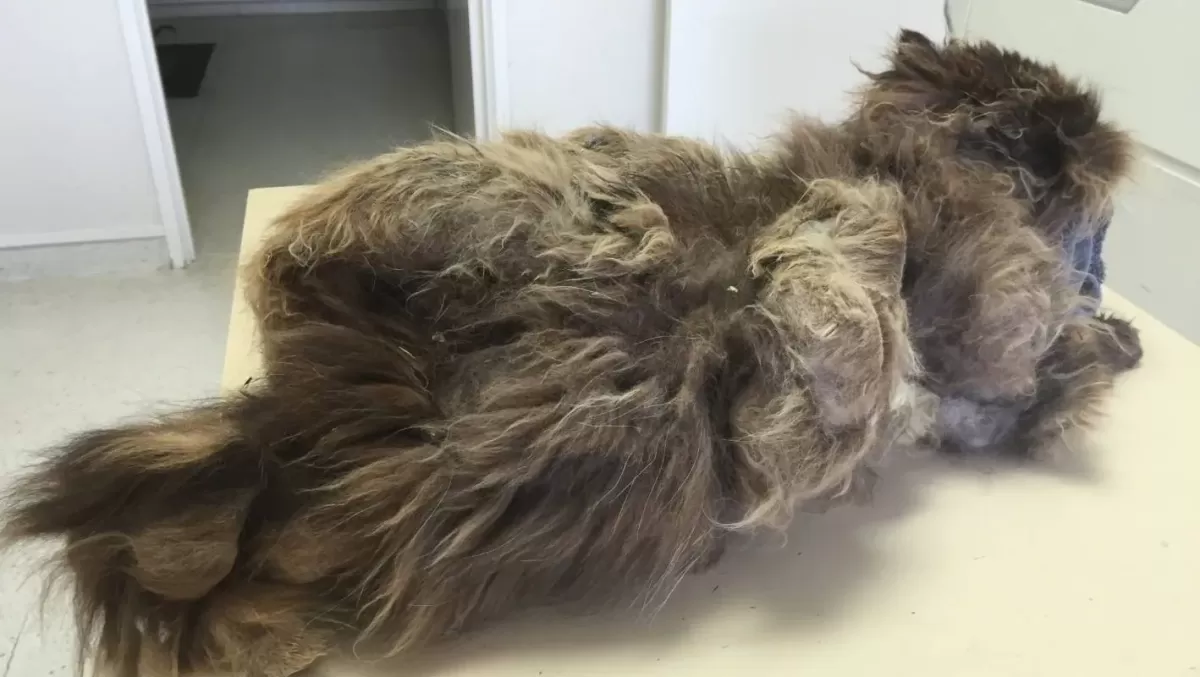
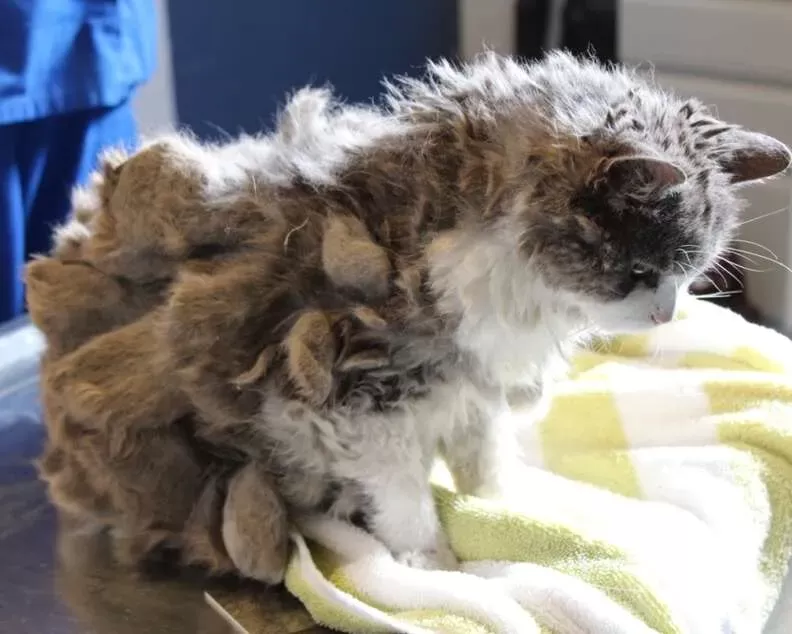
As a responsible cat owner, ensuring your feline friend's coat remains healthy and free of mats is crucial for their comfort and well-being. Matted hair can cause discomfort, skin irritations, and even infections if left untreated. In this article, we'll guide you through the process of gently removing matted hair from your cat's back.
Understanding the Importance of Dematting
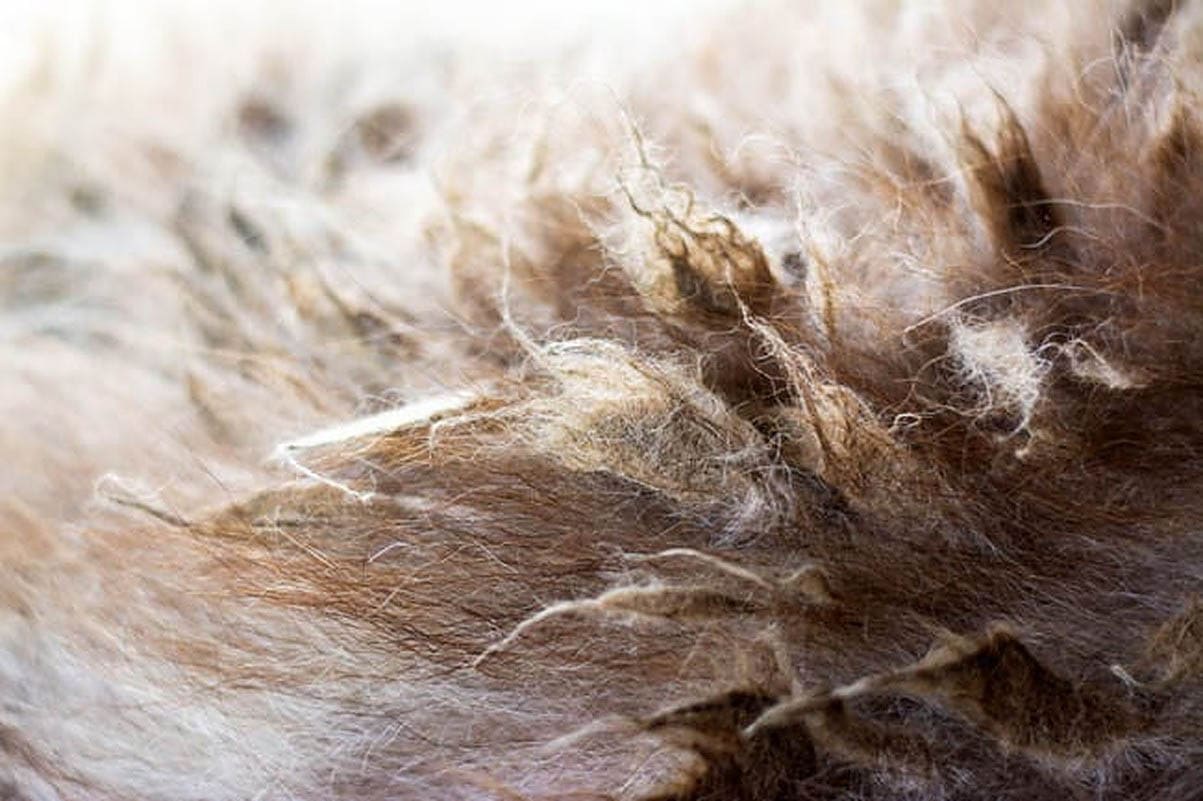
Dematting is an essential part of cat grooming, and it's crucial to do it gently to avoid causing pain and skin damage. When hair becomes matted, it can lead to skin irritation, redness, and even infections. Regular dematting can help prevent these problems and ensure your cat's coat remains healthy and shiny.
Causes of Matted Hair in Cats
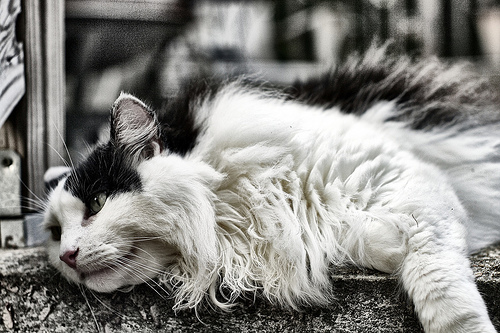
- Long hair: Cats with long fur are more prone to matting, especially around the back and tail areas.
- Moisture: Humidity and moisture can lead to matting, making it essential to brush your cat regularly, especially during humid seasons.
- Poor grooming habits: Cats that don't receive regular grooming are more likely to develop mats.
- Health issues: Certain health conditions, such as arthritis or skin infections, can contribute to matting.
Tools for Dematting
To gently remove matted hair from your cat's back, you'll need the following tools:
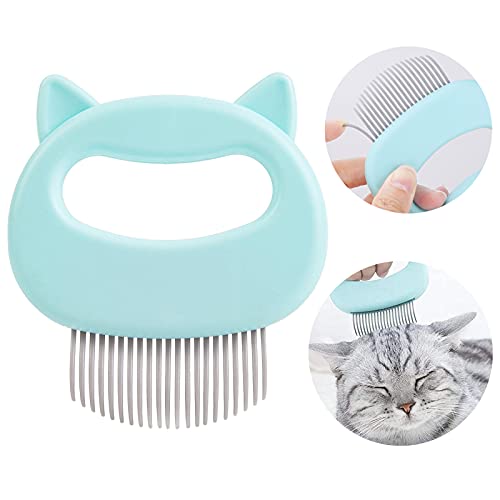
- Wide-tooth comb or a slicker brush
- Detangling spray or conditioner
- Soft-bristle brush or a grooming glove
Step-by-Step Instructions
To gently remove matted hair from your cat's back, follow these steps:
1. Prepare your cat: Provide a comfortable and stable surface for your cat to sit or lie on. Make sure you have all the necessary tools within reach.

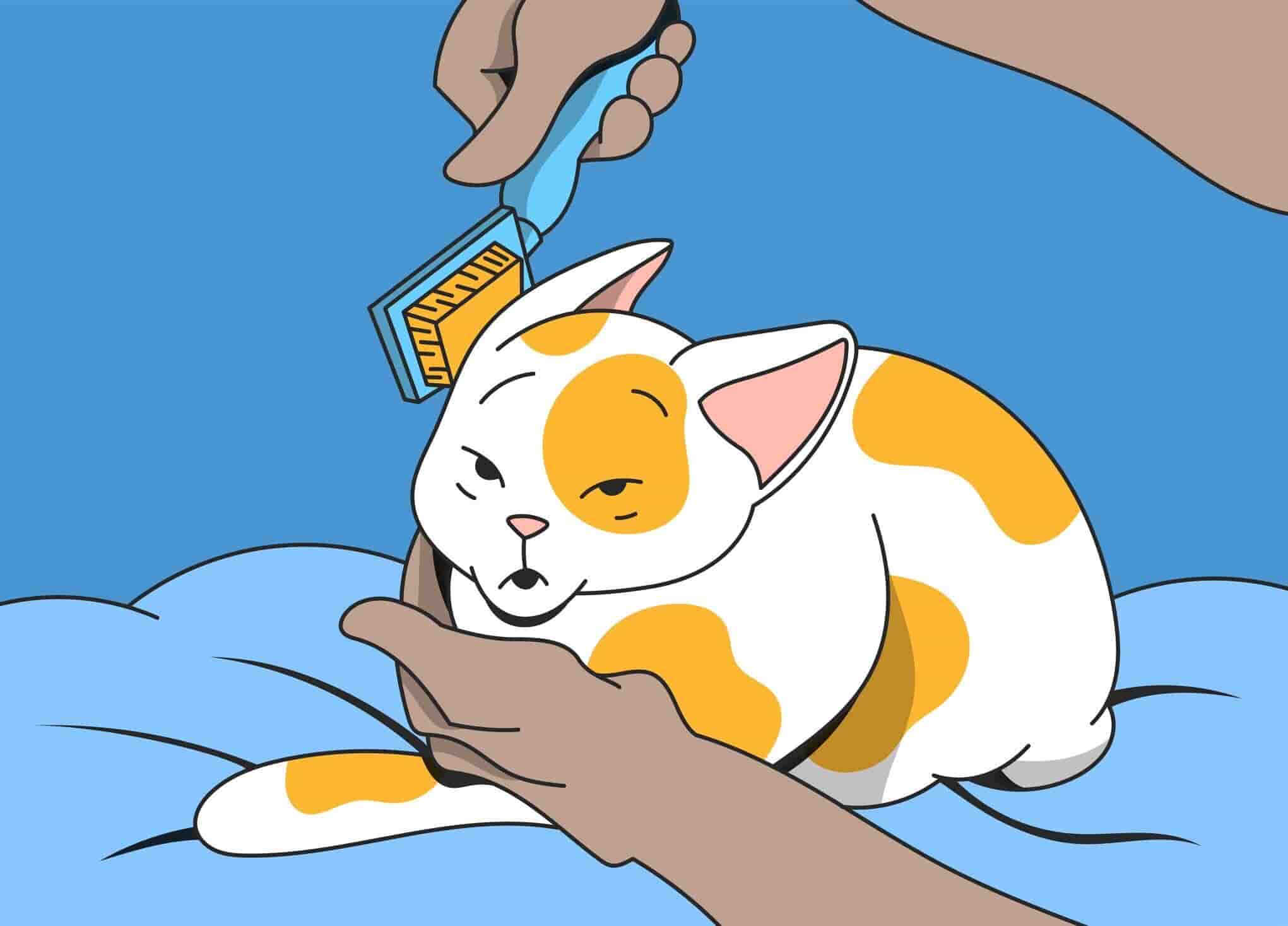
2. Work in sections: Start by gently working out the mat with your fingers or a wide-tooth comb, starting from the end of the hair shaft and working your way towards the root.
3. Use detangling spray or conditioner: If the mat is particularly stubborn, apply a detangling spray or conditioner to help loosen the tangles.
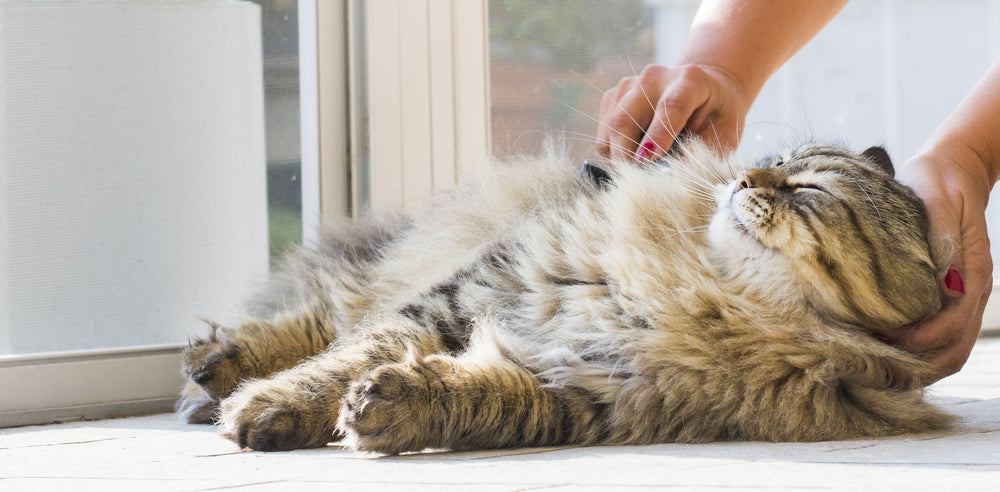
4. Switch to a slicker brush or soft-bristle brush: Once you've loosened the initial knot, switch to a slicker brush or soft-bristle brush and gently brush through the matted area using short, gentle strokes.
5. Be patient: Dematting can be a time-consuming process, especially for stubborn mats. Be patient and work slowly to avoid causing pain or skin damage.
Preventative Measures
Preventing matted hair from forming in the future is easier than removing it after it's formed. Regular grooming, using a deshedding tool or brush, and keeping your cat's coat dry are all effective ways to prevent matting.
When to Seek Professional Help
While dematting can be done at home, there are situations where it's best to seek professional help:
- Severe matting: If the mats are particularly stubborn or extensive, it's best to seek the help of a professional groomer.
- Skin irritation or infection: If your cat is showing signs of skin irritation or infection due to matting, seek veterinary attention.
Conclusion
Gently removing matted hair from your cat's back is a process that requires patience, the right tools, and understanding of feline anatomy. By following the steps outlined in this article, you can help your cat stay comfortable and healthy, and prevent painful matting and skin damage. Remember, regular grooming and preventative measures are key to maintaining a healthy and shiny coat for your feline friend.







:max_bytes(150000):strip_icc()/how-to-de-mat-your-cat-552043-FINAL-5c59c57646e0fb00013fc237.png "Stainless Steel Pet Comb, Double Side Long Short Teeth Grooming Comb ...")