Excessive Phone Use in Adults: A Growing Concern
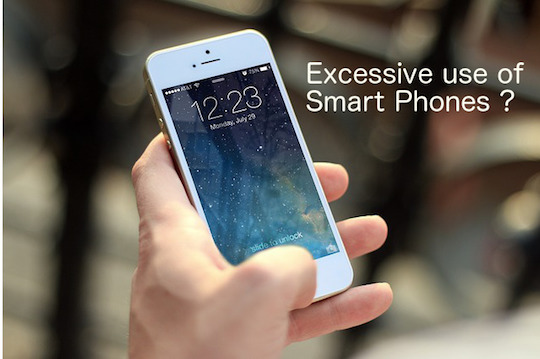
Excessive phone use in adults is a growing concern, with recent studies showing a link between excessive smartphone use and problems of mental health and impaired psychological well-being. In this article, we will explore the effects of excessive phone use on adults, including the signs, causes, and effects, as well as strategies for reducing compulsive phone use.
Signs of Excessive Phone Use
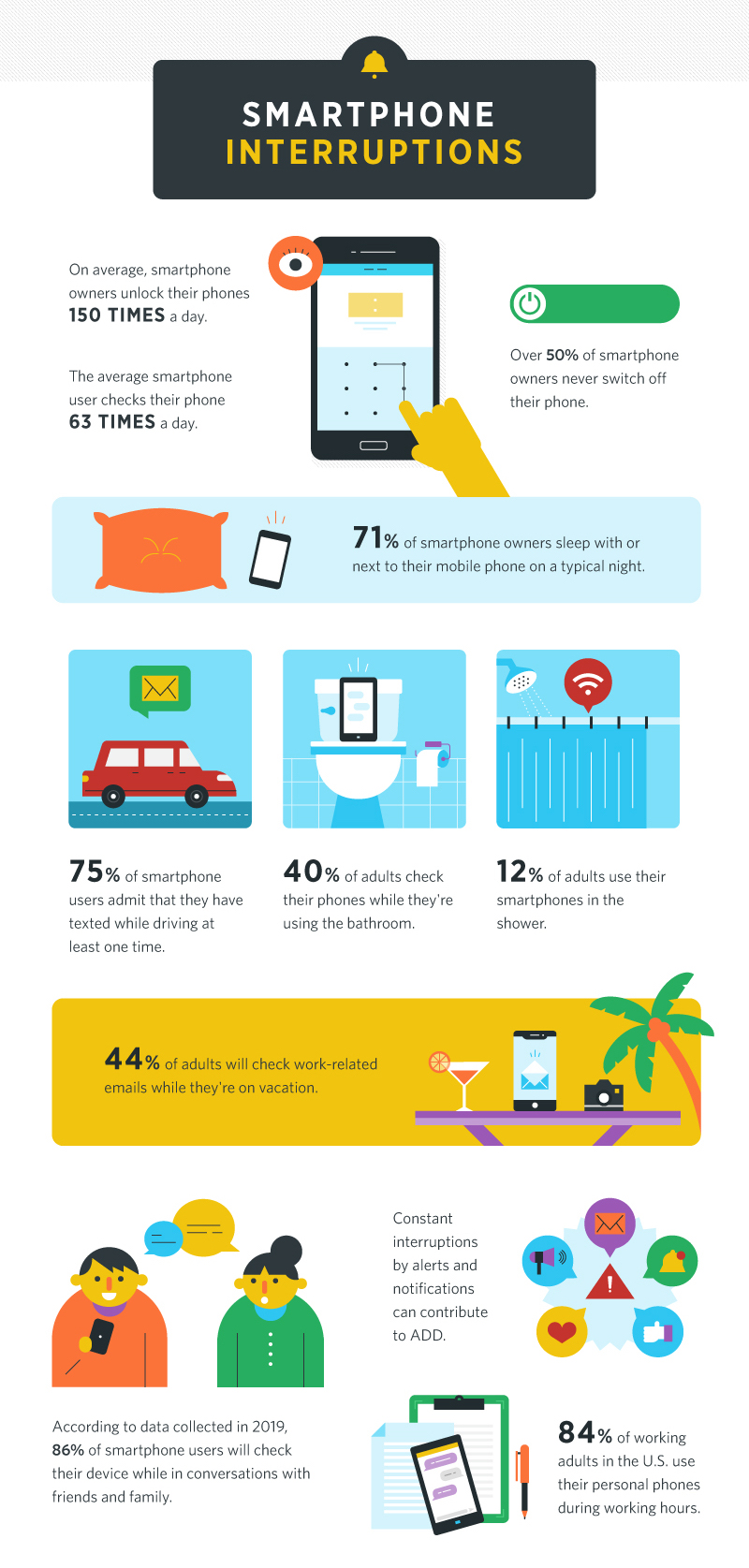
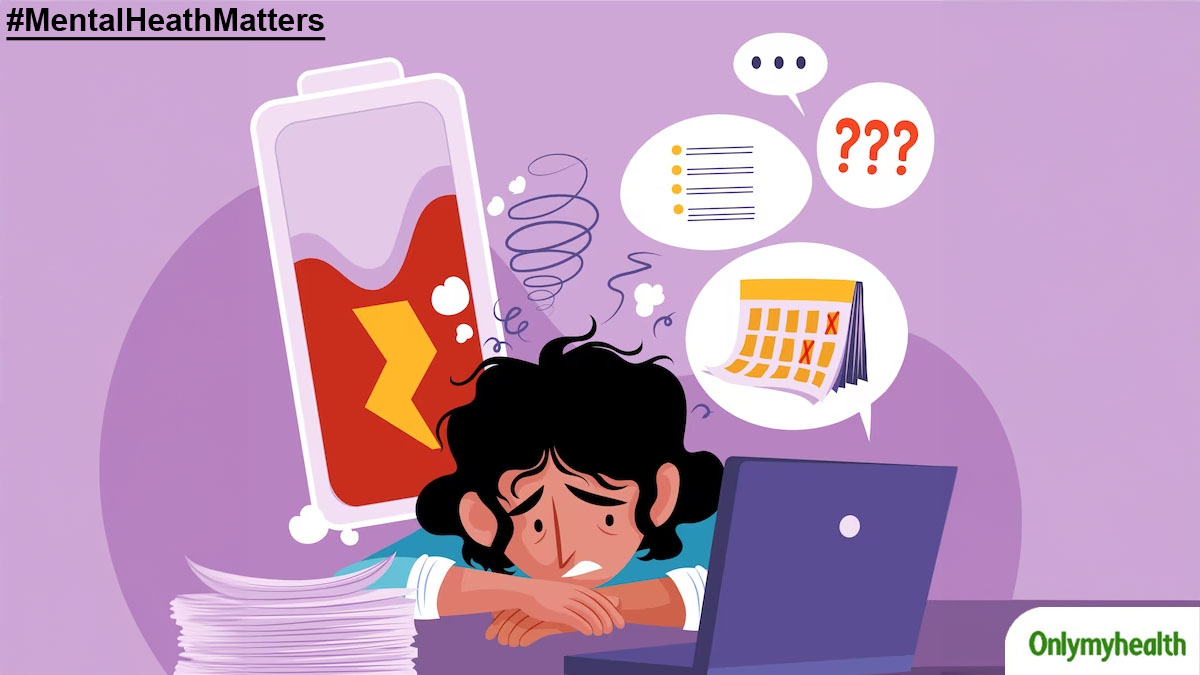
Excessive phone use can cause not only physical discomfort but also feelings of loneliness, anxiety, and depression. Some behaviors that may indicate an addiction to phone use include:
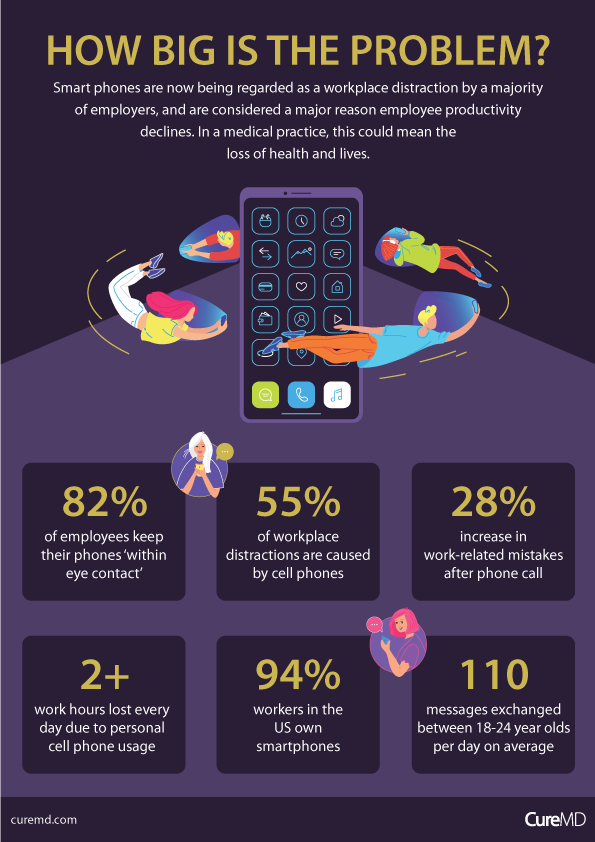
- Neglecting work, school, or social responsibilities due to phone use
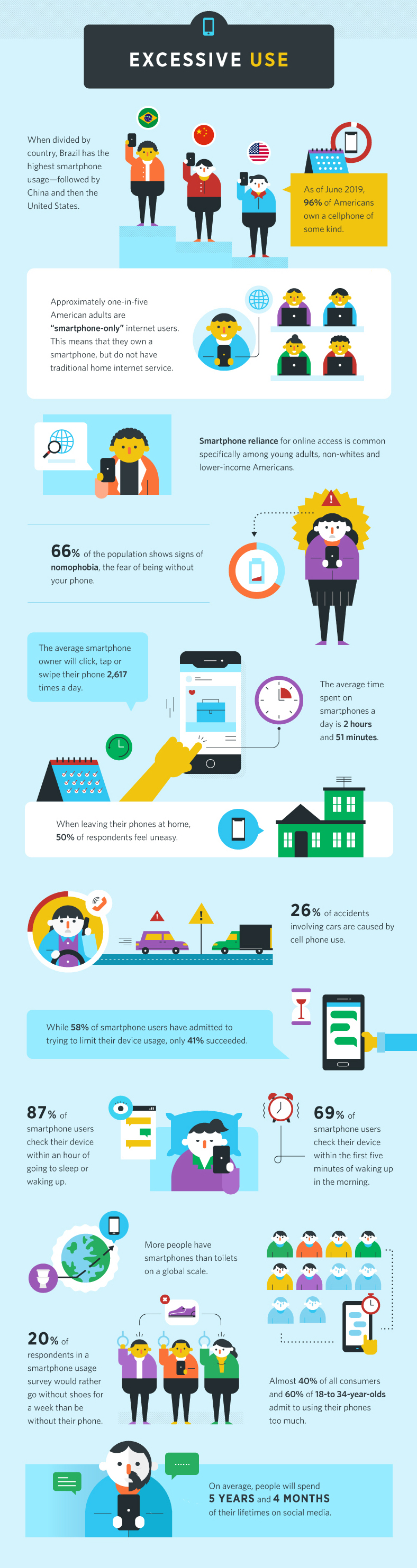
- Spending more than two hours a day outside of work hours on phone use
- Feeling anxious or irritable when unable to use your phone
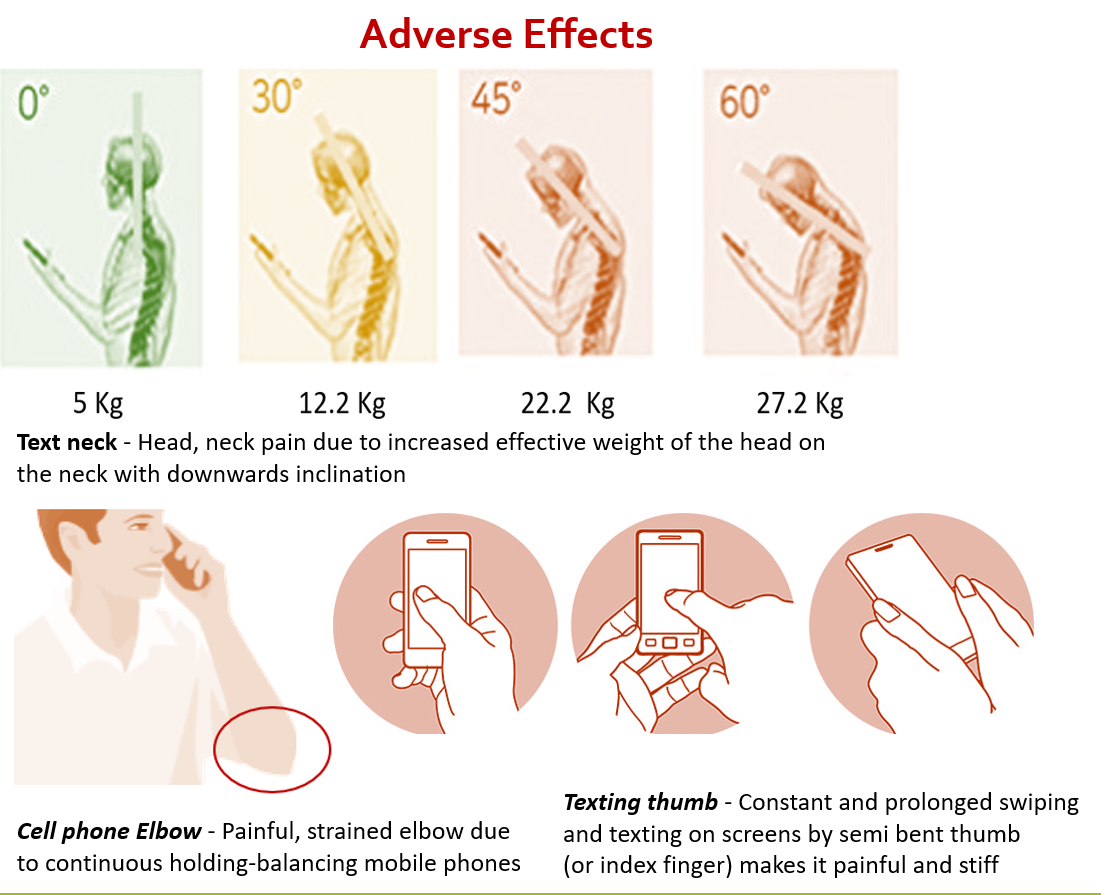
- Experiencing physical symptoms such as eye strain, neck pain, or back pain due to phone use
- Using your phone as a coping mechanism for stress, anxiety, or other emotions
Causes of Excessive Phone Use
There are several factors that can contribute to excessive phone use in adults, including:
- Social media addiction: The constant stream of social media updates can be addictive, leading to excessive phone use.
- Negative coping mechanisms: Using your phone as a way to avoid stress, anxiety, or other emotions can lead to excessive use.
- Lack of self-regulation: Difficulty in regulating phone use can lead to excessive use.
- Environmental factors: Easy access to phones and social media can contribute to excessive use.
Effects of Excessive Phone Use
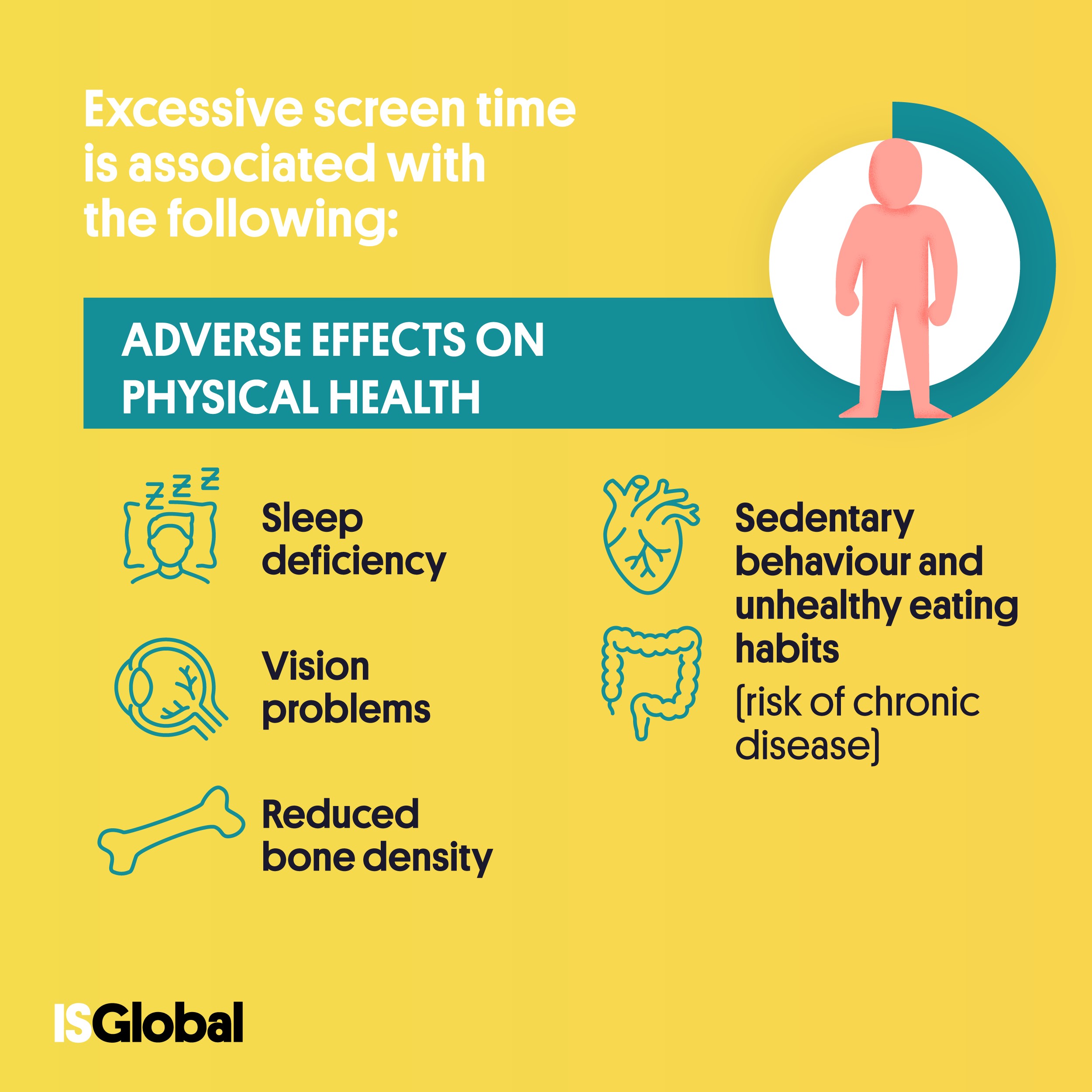
Excessive phone use has been linked to a range of negative effects on mental and physical health, including:
- Depression and anxiety
- Loneliness and social isolation
- Eye strain, neck pain, and back pain
- Sleep disturbances
- Impaired cognitive function
Strategies for Reducing Compulsive Phone Use
There are several strategies that can help reduce compulsive phone use, including:
- Setting boundaries: Establishing limits on phone use, such as not using your phone during meals or before bed
- Using phone tracking apps: Apps such as Freedom or Moment can track phone use and provide insights into usage habits
- Implementing phone-free zones: Designating phone-free zones, such as the bedroom or living room
- Engaging in alternative activities: Finding alternative activities to replace phone use, such as exercise, reading, or spending time with friends and family
- Seeking support: Talking to a therapist or counselor about phone use habits and developing strategies for reduction
Conclusion
Excessive phone use in adults is a growing concern, with links to mental health problems, impaired psychological well-being, and physical health issues. By recognizing the signs, causes, and effects of excessive phone use, and implementing strategies for reduction, adults can develop healthier phone use habits and improve their overall well-being.
References
This article was researched using a variety of sources, including academic journals, government reports, and reputable online sources. Search terms included "smartphone", "addiction", "overuse", "problematic use", "excessive use", and "adults".