Dopamine Loops in Communication: Understanding the Science Behind Our Online Habits
The way we communicate online has undergone a significant transformation in recent years. With the rise of social media, messaging apps, and online platforms, people are now more connected than ever before. However, this newfound connectivity has also led to a phenomenon known as "dopamine loops in communication," where our brains become addicted to the constant flow of notifications, likes, and comments.
What are Dopamine Loops?
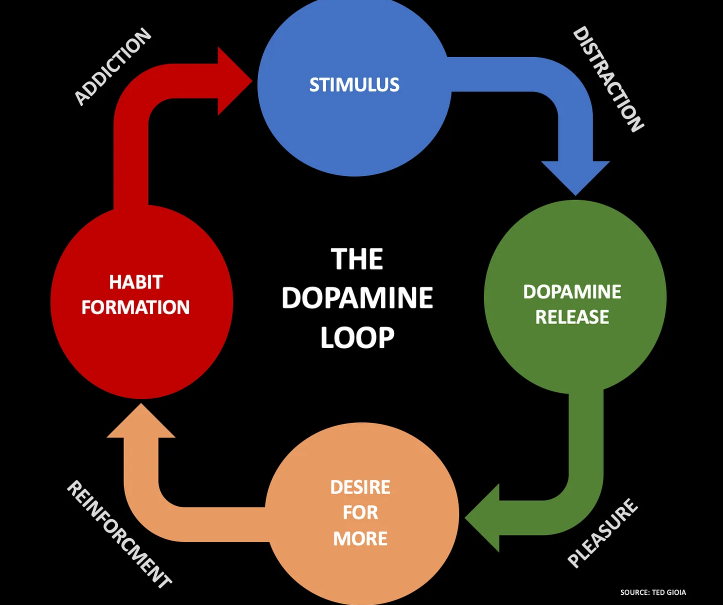
Dopamine loops refer to the self-reinforcing cycle of behavior that is associated with receiving rewards, such as likes, comments, and notifications, after completing an action or task. This cycle includes anticipation, engagement, reward, and satisfaction, and is fueled by the way the neurotransmitter dopamine works with the brain's reward system.
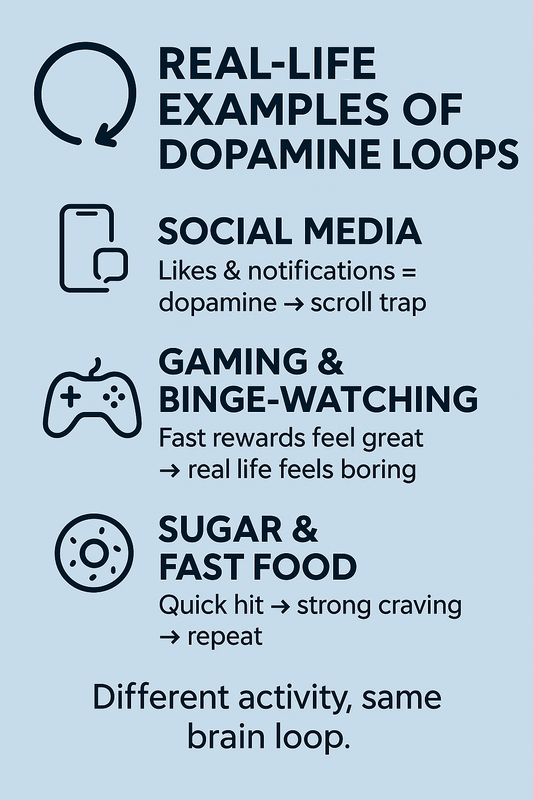
Research suggests that dopamine plays a crucial role in motivation, pleasure, and learning. When we engage in online activities, such as scrolling through social media or playing video games, our brains release dopamine in response to the constant flow of rewards and feedback. This creates a loop where we become addicted to the feeling of pleasure and reward, leading us to seek out more online interactions.
The Science Behind Dopamine Loops
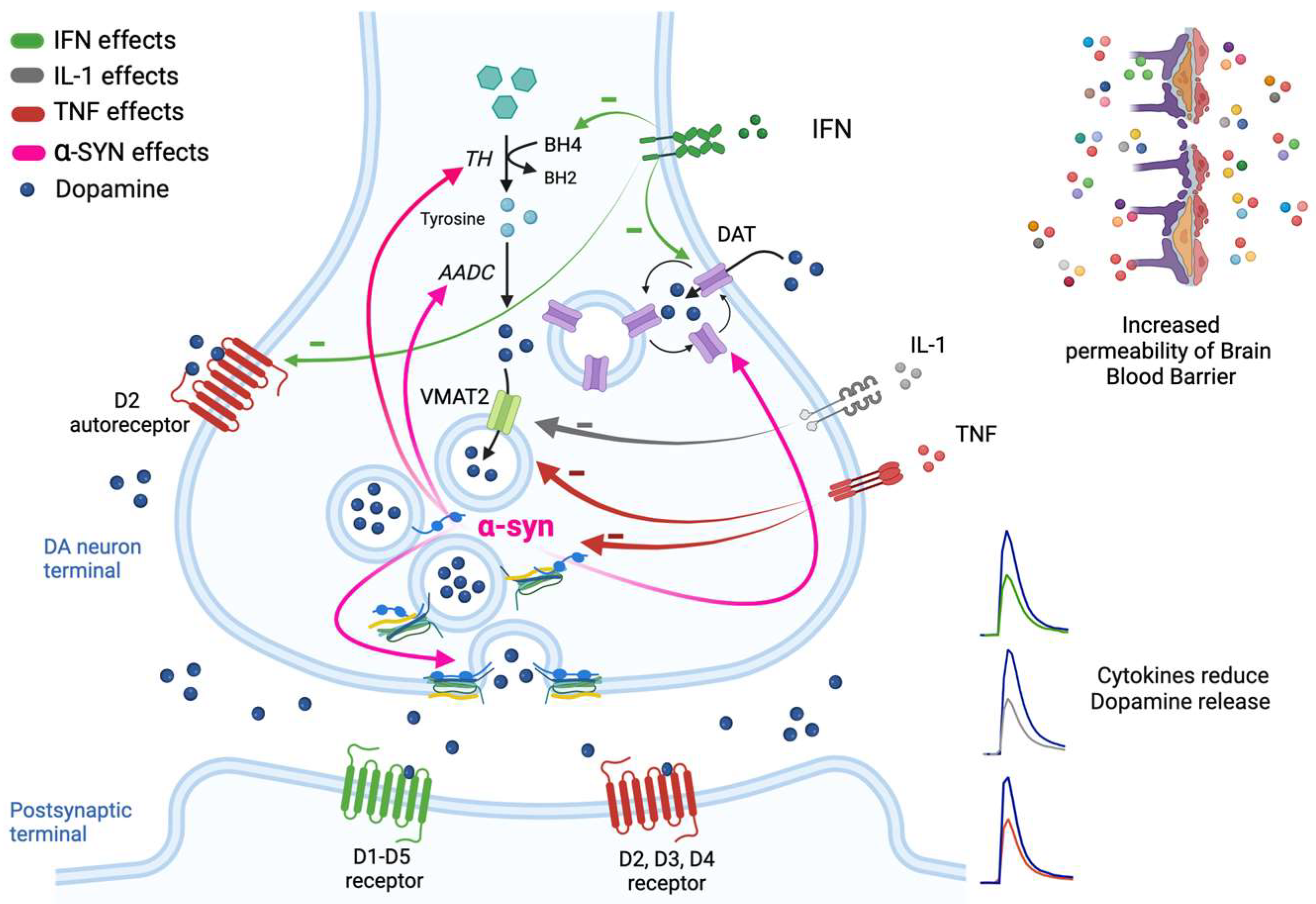
The science behind dopamine loops is complex and involves the interaction of multiple brain regions and neurotransmitters. Research suggests that dopamine release is associated with the activation of the brain's reward system, which includes the ventral striatum, prefrontal cortex, and hippocampus.

- Anticipation**: The anticipation of receiving rewards, such as likes or comments, triggers the release of dopamine in the brain.
- Engagement**: As we engage in online activities, our brains release dopamine in response to the rewards and feedback we receive.
- Reward**: The receipt of rewards, such as likes or comments, releases more dopamine, creating a feedback loop.
- Satisfaction**: The satisfaction we feel after receiving rewards leads to a sense of pleasure, which reinforces the behavior and creates a cycle of addiction.
How to Break the Dopamine Loop
Breaking the dopamine loop requires a combination of self-awareness, motivation, and strategy. Here are some tips to help you break the cycle:
- Set limits**: Set limits on your online usage and stick to them.
- Practice mindfulness**: Be aware of your online habits and recognize the triggers that lead to dopamine release.
- Use technology**: Utilize technology, such as website blockers or app trackers, to monitor and control your online behavior.
- Find alternative rewards**: Find alternative rewards, such as exercise or reading, that provide a sense of satisfaction and pleasure without the need for online interactions.
Conclusion
The dopamine loop in communication is a complex phenomenon that involves the interaction of multiple brain regions and neurotransmitters. By understanding the science behind this cycle, we can take steps to break the loop and develop healthier online habits. By setting limits, practicing mindfulness, and using technology, we can reduce our reliance on online rewards and find alternative sources of satisfaction and pleasure.