Bootstrapping a Business: The Self-Funded Approach to Success
Starting and growing a business without external funding is a daunting task, but one that many successful entrepreneurs have achieved through bootstrapping. In this article, we will explore the concept of bootstrapping, its benefits and challenges, and provide tips and strategies for effectively utilizing limited resources to grow your business.
What is Bootstrapping a Business?
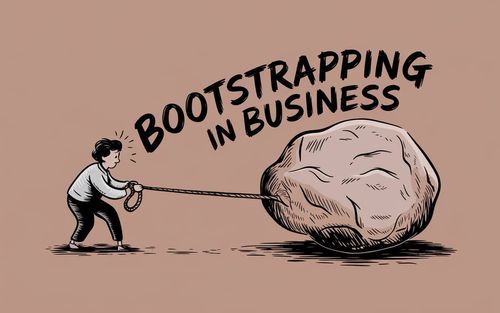
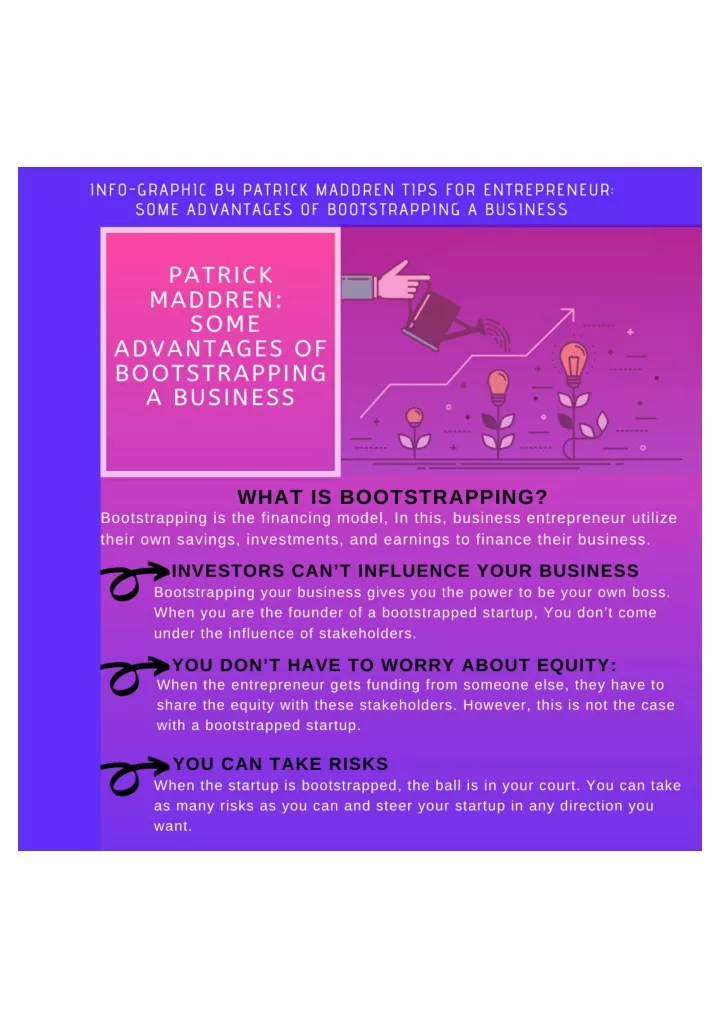
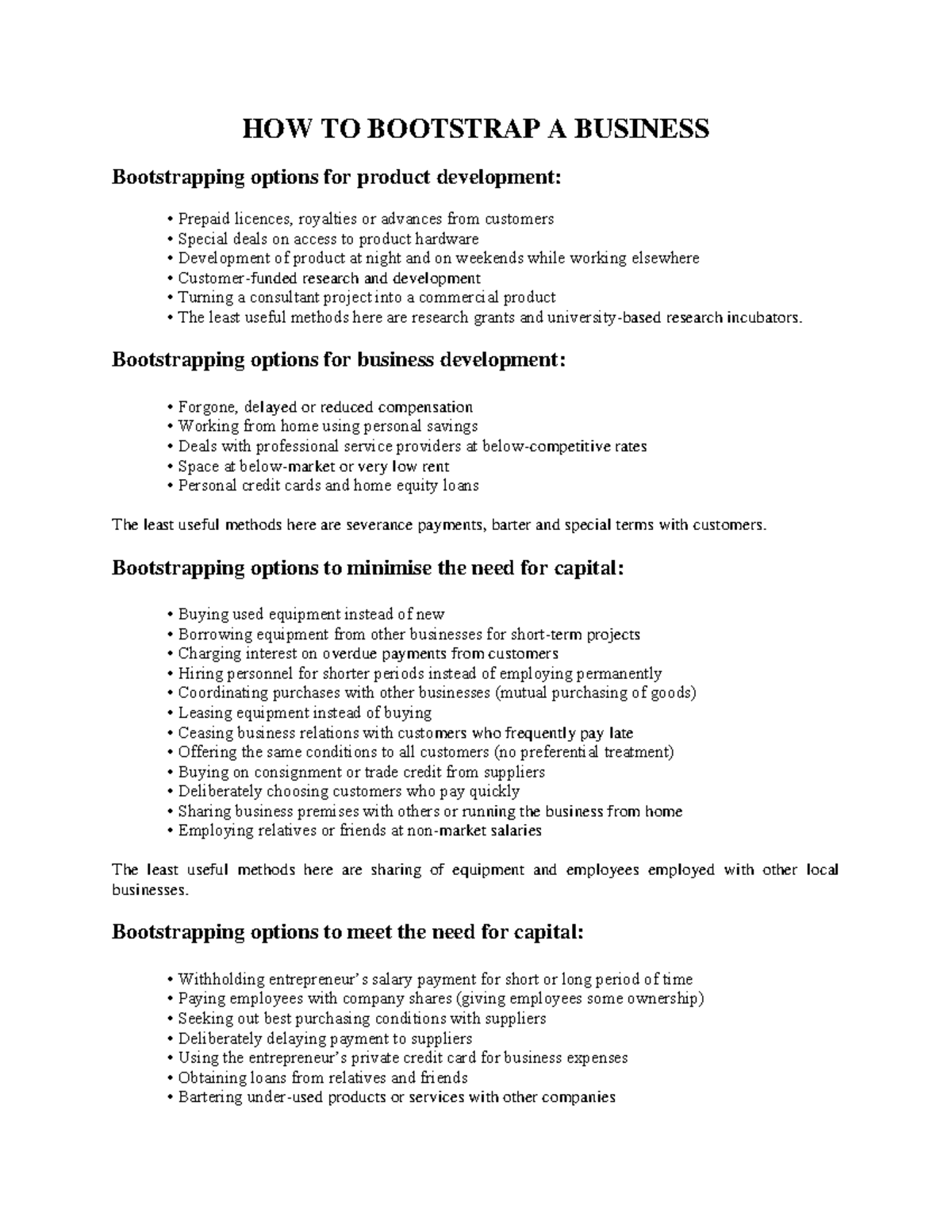
Bootstrapping a business is the process of starting and growing a company using only existing resources, such as personal savings, personal computing equipment, and garage space. This approach is in contrast to bringing on investors to provide capital, or taking on debt to fund a business' expansion. Bootstrapping is about stretching what you've got—whatever that is—to get your business up and running.
Benefits of Bootstrapping
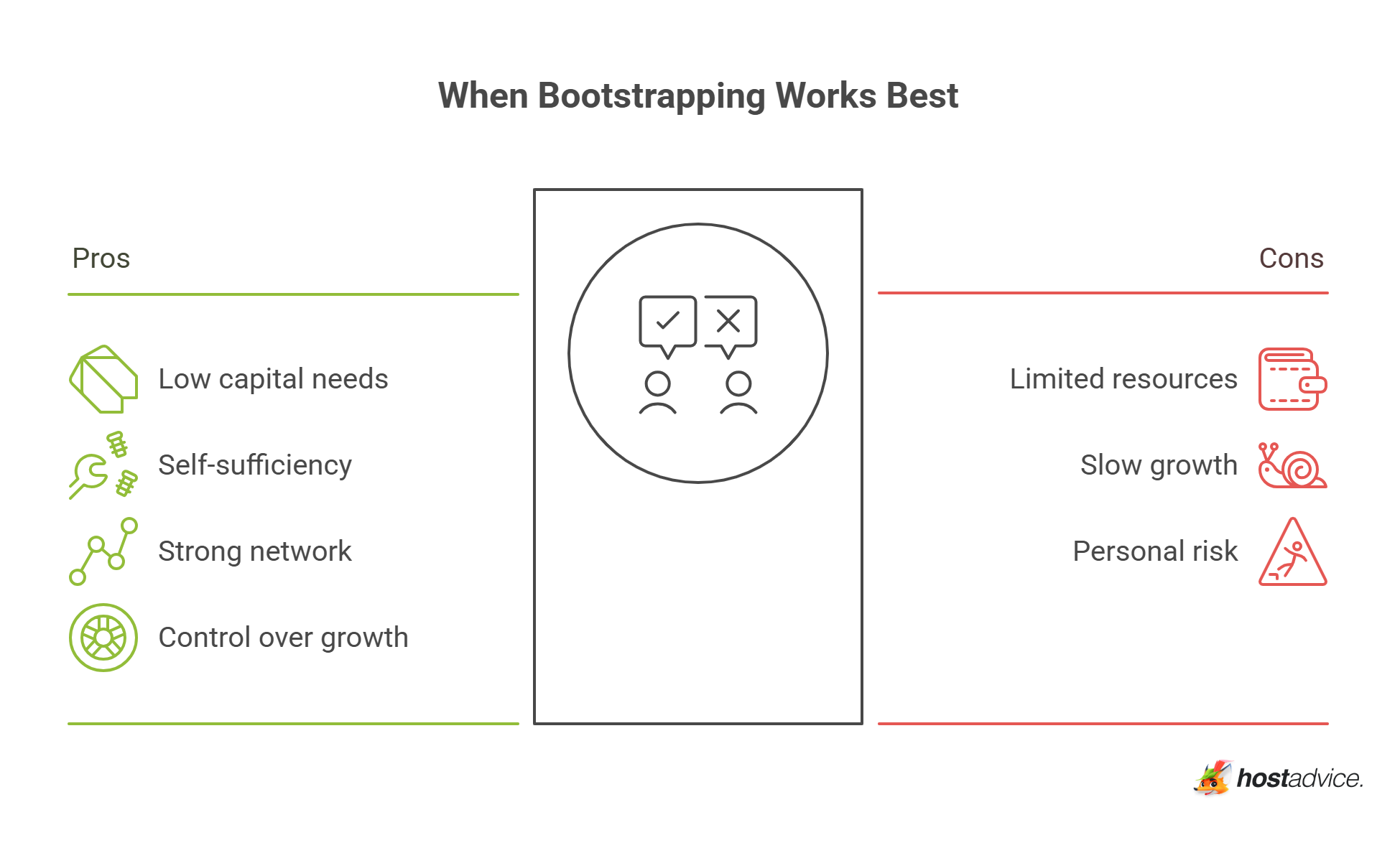
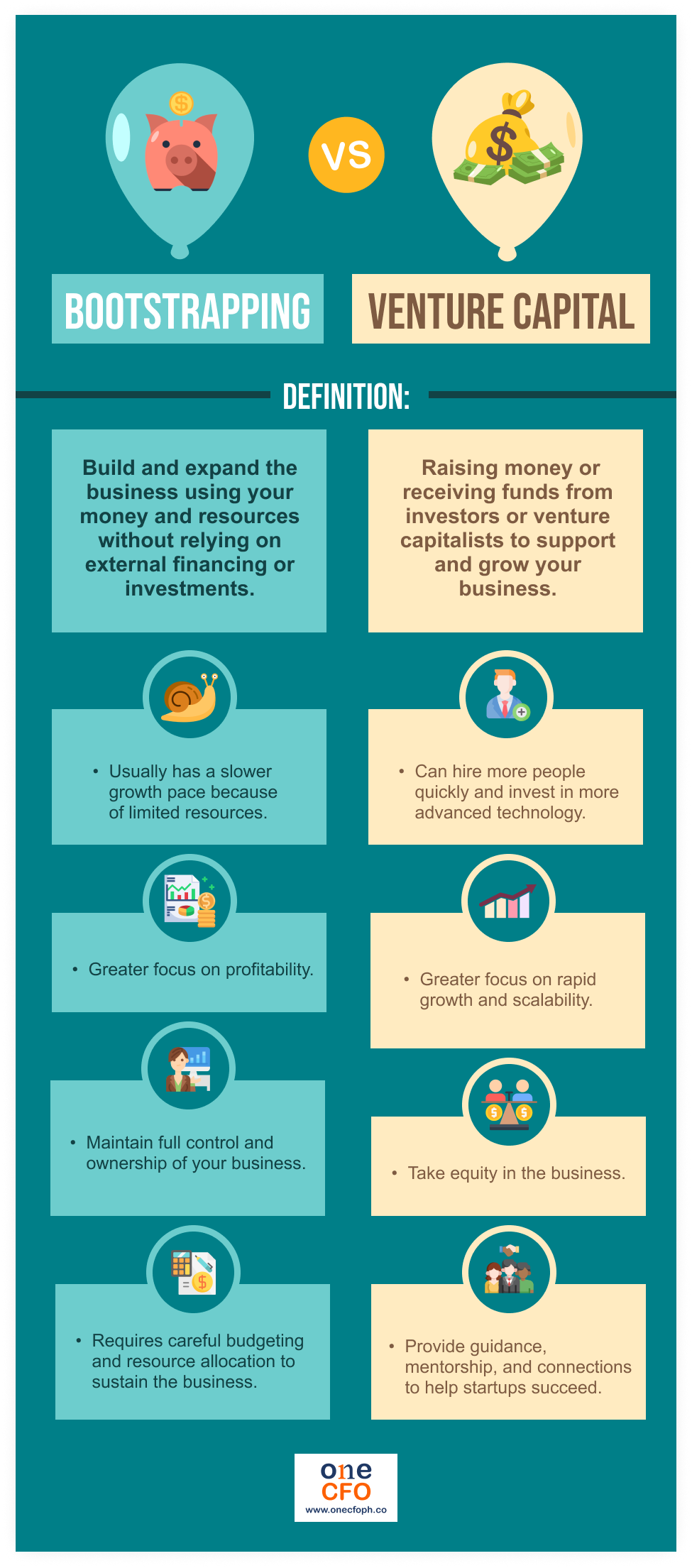
Control and Autonomy: By using your own funds, you maintain full control and ownership of your business.
Flexibility: Bootstrapping allows you to adapt to changes in your business without being tied to external funding commitments.
Accountability: You are personally responsible for the success or failure of your business, motivating you to work harder and smarter.
Cost-Effective: Bootstrapping minimizes the risk of debt and interest payments, allowing you to allocate resources more efficiently.
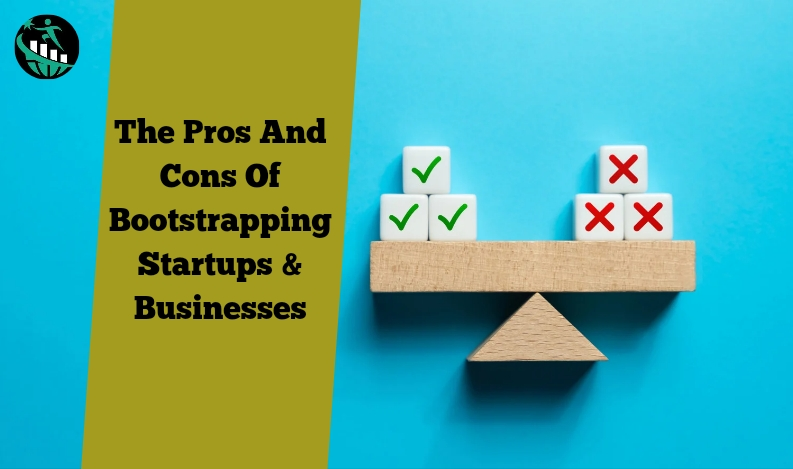
Challenges of Bootstrapping
Financial Constraints: Limited resources can make it difficult to invest in marketing, research, and development.
Time and Effort: Bootstrapping requires a significant amount of time and effort from the founder, which can lead to burnout.
Risk of Failure: Without external funding, the risk of business failure is higher, as you may not have the necessary resources to navigate challenges.

Strategies for Bootstrapping Your Business
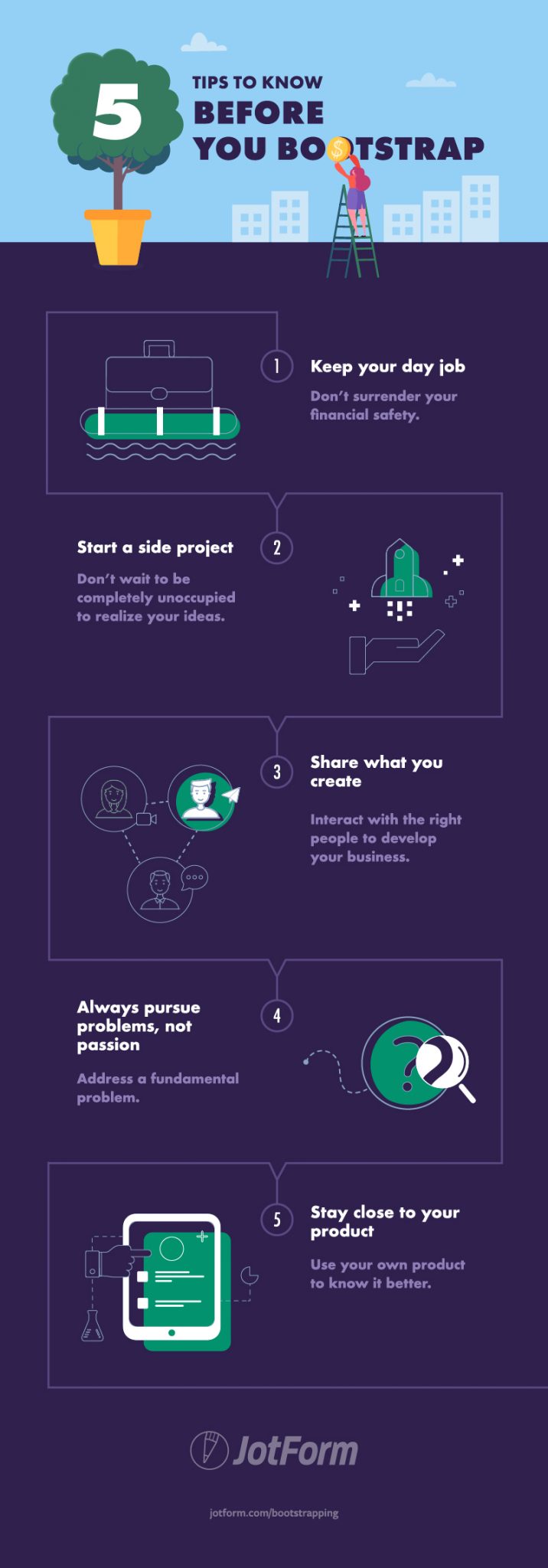
Minimize Expenses: Identify areas where you can reduce costs and allocate resources more efficiently.
Reinvest Profits: Use revenue from your business to reinvest in growth initiatives, such as marketing and product development.
Personal Savings: Utilize your own savings to fund your business, rather than relying on external funding sources.
Customer Acquisition: Focus on acquiring customers through innovative marketing strategies and exceptional customer service.
Partnerships and Collaborations: Consider partnering with other businesses or individuals to access new markets, skills, or resources.
Real-Life Examples of Bootstrapped Businesses
Microsoft: Founded by Bill Gates and Paul Allen, Microsoft bootstrapped its way to becoming one of the world's largest technology companies.
Walmart: Sam Walton bootstrapped his retail business, starting with a single store in Arkansas and growing it into a multinational retail giant.
LEGO: The iconic toy company was founded by Ole Kirk Christiansen, who bootstrapped his business from a small carpentry workshop to a global brand.
Conclusion
Bootstrapping a business requires discipline, hard work, and a willingness to take calculated risks. By understanding the benefits and challenges of this approach, you can develop a solid strategy for growing your business using limited resources. Remember to minimize expenses, reinvest profits, and focus on customer acquisition and partnerships to achieve success through bootstrapping.