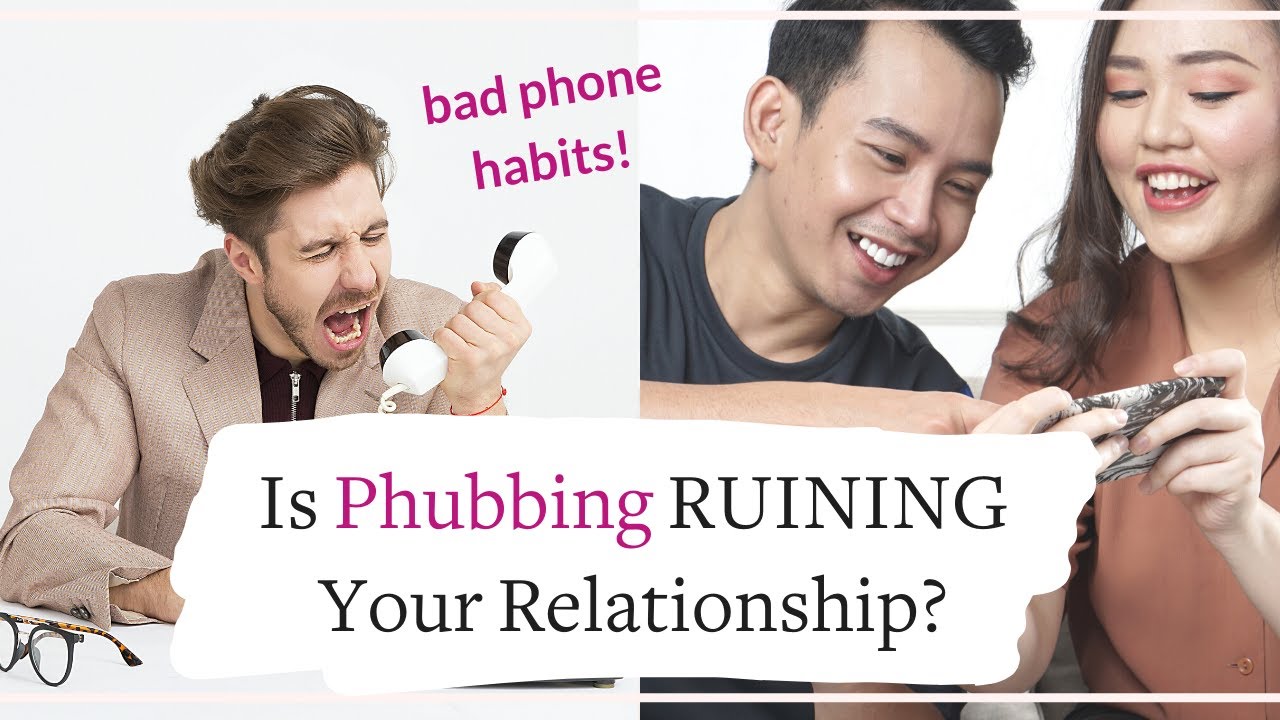
Understanding the Social Norms Surrounding Phone Phubbing
Phone phubbing, or the act of ignoring someone in your immediate presence because you're focused on your phone, has become a common behavior in today's digital age.
A Brief History of Phone Phubbing
The term "phubbing" was first used in 2012 to describe the act of snubbing someone in a social setting by concentrating on one's phone instead of talking to the person directly. Since then, research has shown that phone phubbing has become increasingly prevalent in various social settings, including diners, meetings, classrooms, and even on romantic dates.
The Impact of Phubbing on Social Interactions
- Research suggests that phone phubbing harms the quality of social relationships, leading to feelings of neglect, rejection, and disengagement.
- Phubbing can also lead to social exclusion, as people may feel left out or ignored when others are too busy on their phones to interact with them.
- Additionally, repeated exposure to phubbing can erode social trust and create conflict within relationships.
Perceived Social Norms and Phubbing
The perceived social norms surrounding phone use can play a significant role in predicting phubbing behavior. For instance, studies have shown that individuals who adhere to injunctive social norms (e.g., using a phone in the presence of others is not acceptable) are less likely to engage in phubbing.
Generational Differences in Phubbing
Research has highlighted generational differences in phubbing behavior, with younger adults being more tolerant of phubbing than older adults. This may be due to differences in technological literacy, social norms, and values.

The Psychology of Phubbing
Phubbing can be understood as a form of social disengagement, where individuals prioritize their phone use over interacting with others. This behavior can be driven by various psychological factors, including attachment anxiety, social anxiety, and the need for social validation.
Consequences of Phubbing
- Excessive phone use can lead to social isolation, depression, and anxiety.
- Phubbing can also disrupt face-to-face communication, leading to misunderstandings, conflicts, and relationship problems.
- Furthermore, phone phubbing can have serious consequences for mental health, including decreased attention span, reduced empathy, and increased stress levels.
Resisting Phubbing and Promoting Social Engagement
Resisting phubbing involves actively avoiding phone use in social situations to continue interacting with others. This can be achieved by setting phone-free zones, using phone-free social apps, and engaging in activities that promote face-to-face communication.
Conclusion
The social norms surrounding phone phubbing are complex and multifaceted, influenced by various factors, including technology, culture, and individual psychology. By understanding the impact of phubbing on social interactions and relationships, we can work towards resisting phubbing and promoting social engagement in the digital age.