Reducing Screen Time: Tips and Strategies for a Healthier Lifestyle
In today's digital age, it's easy to get sucked into the vortex of screens and never-ending notifications. But the constant barrage of digital stimuli can take a toll on our mental and physical health. Research consistently shows that excessive screen time can lead to a range of negative effects, from decreased sleep quality and increased anxiety to decreased attention span and reduced productivity.
Why Reduce Screen Time?
So, why should you care about reducing screen time? For starters, excessive screen time has been linked to a range of negative effects, including:
- Decreased sleep quality
- Increased anxiety and stress
- Decreased attention span and productivity
- Increased risk of depression and other mental health problems
- Reduced physical activity and increased sedentary behavior
Strategies for Reducing Screen Time
So, how can you reduce your screen time and start living a healthier lifestyle? Here are some tips and strategies to get you started:

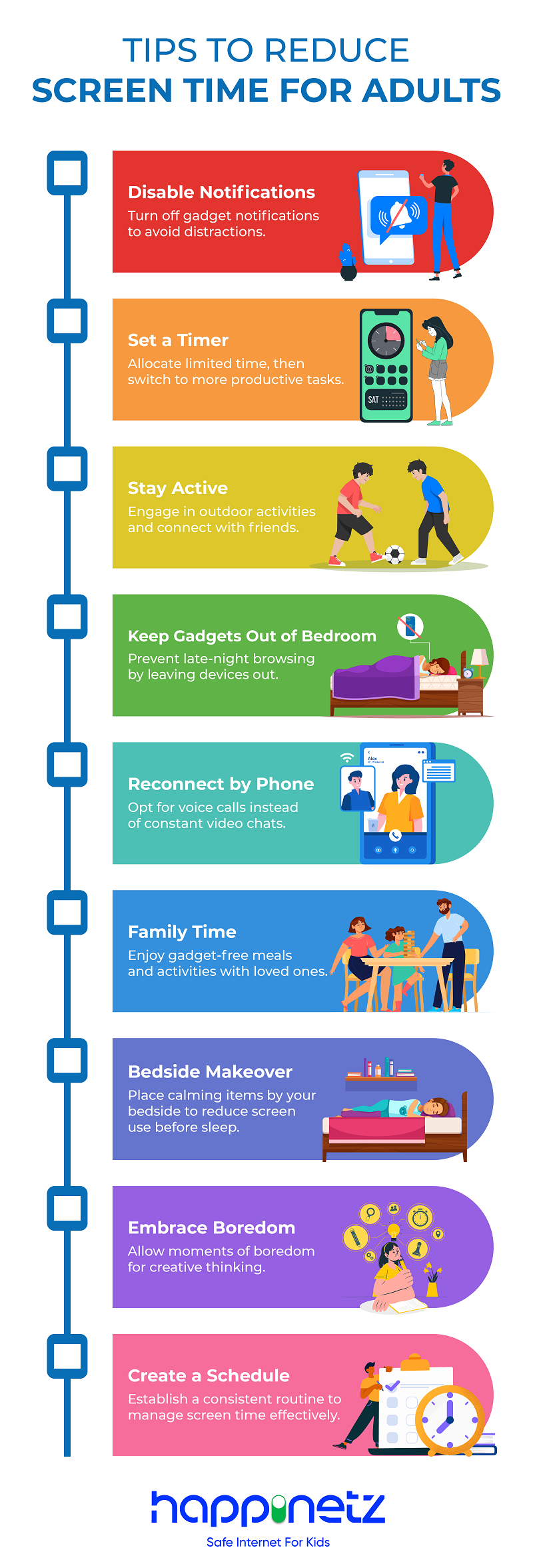
- Set limits**: Set a timer or alarm to remind you to limit your screen time. Try setting a goal to reduce your daily screen time by 30-50% in the next 14 days.
- Use screen time tracking tools**: Take control of your screen time with tools like Screen Time, Digital Wellbeing, Focus & Family Safety, or ScreenTime. These tools can help you track your screen time and set limits on specific apps.
- Replace screens with books**: Make reading a priority by swapping screens for books or other digital-free activities.
- Practice mindfulness**: Practice mindfulness techniques like meditation or deep breathing to reduce stress and anxiety.
- Get moving**: Regular physical activity can help reduce screen time and improve overall health.
- Create a screen-free zone**: Designate a screen-free zone in your home, like the dinner table or living room, to encourage quality time with family and friends.
Expert Recommendations
Experts recommend the following tips for reducing screen time:
- Get help if you need it**: If you're struggling with excessive screen time, consider seeking help from a therapist or counselor.
- Make it a family affair**: Involve your family in reducing screen time and making healthy changes.
- Find healthy alternatives**: Replace screens with healthy activities like exercise, reading, or hobbies.
- Be patient and consistent**: Reducing screen time is a process that takes time and effort. Be patient and consistent in your efforts to make lasting changes.
Conclusion
Reducing screen time is a crucial step towards a healthier lifestyle. By setting limits, tracking our screen time, and making healthy changes, we can reduce the negative effects of excessive screen time and improve our overall well-being. So, take the first step today and start reducing your screen time to live a happier, healthier life.