Prevent Identity Theft Methods: 11 Essential Strategies for a Secure You
Identity theft has become a growing concern in today's digital age, with millions of people falling victim to this crime every year. Whether it's a hacker breaching your sensitive information or a scammer posing as a trusted institution, the risks are many, and the consequences can be devastating. However, there are ways to prevent identity theft and ensure your personal information remains safe. In this article, we'll explore 11 effective methods to help you safeguard your identity and protect yourself from identity thieves.1. Freeze Your Credit
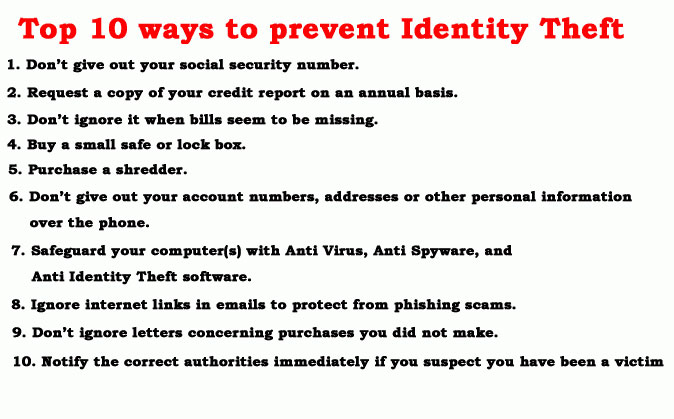
One of the most effective ways to prevent identity theft is to freeze your credit. This will make it challenging for thieves to open new accounts in your name. By freezing your credit, you'll need to lift the freeze whenever you apply for credit or a loan. This added layer of security can significantly reduce the risk of identity theft.Freezing your credit can be done through the three major credit bureaus: Equifax, Experian, and TransUnion. You can do this for free online, or by phone, or by mail.
2. Monitor Your Accounts
Regularly monitoring your bank and credit card statements is crucial in preventing identity theft. Be aware of any suspicious transactions or changes to your accounts. Ensure you check your credit report regularly to detect any errors or unusual activity.Sign up for account alerts to notify you of any transactions or changes, and review your statements regularly to catch any discrepancies promptly.
3. Store Personal Information Securely
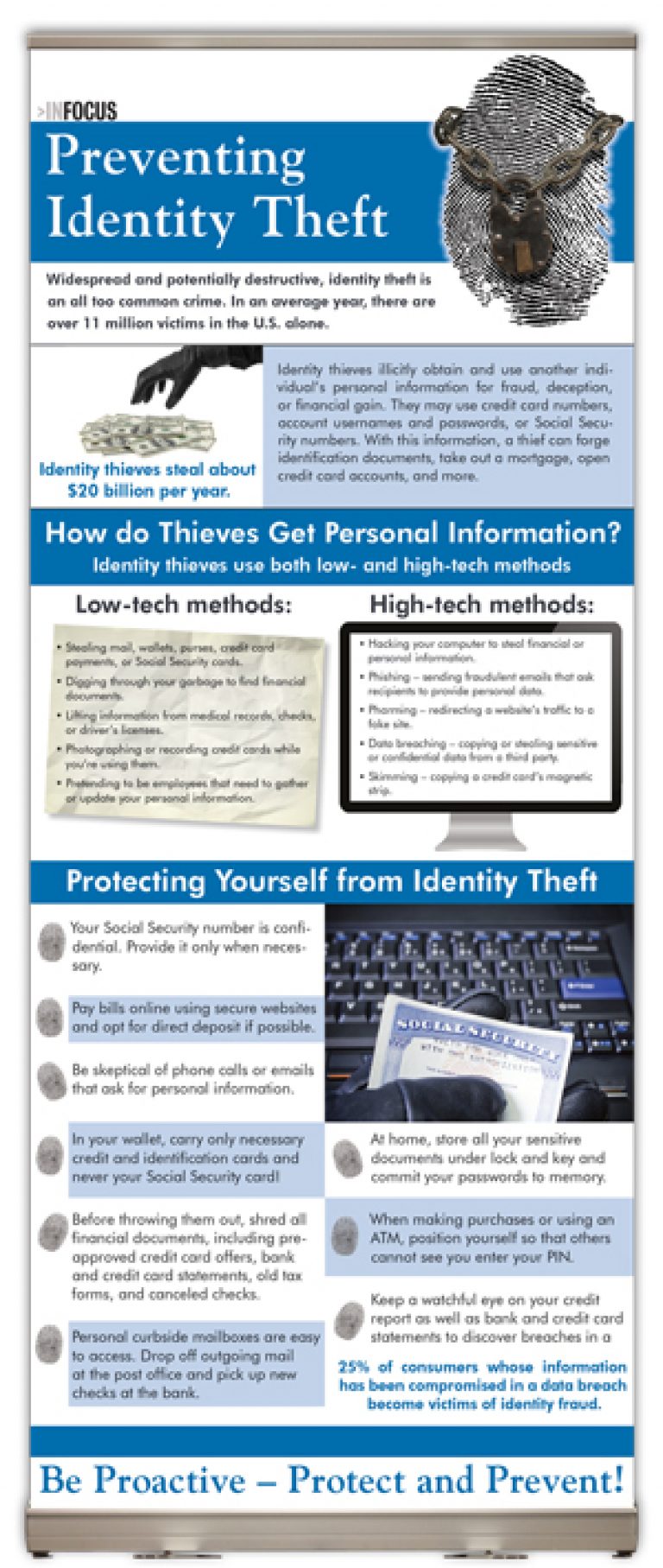
Identity thieves often target personal information like social security numbers, birthdates, and credit card numbers. Store this information securely, both digitally and physically, to reduce the risk of theft.Consider using a safe or a secure online storage service to protect your sensitive documents and information.
4. Use Strong Passwords
Using weak passwords is an invitation to hackers. Create strong, unique passwords for each account, and avoid using easily guessable information like birthdays or common words.Take advantage of password managers, which can generate and store complex passwords for you.
5. Authenticate Online Transactions
When making online transactions, always verify the authenticity of the website and ensure the connection is secure (HTTPS). Be cautious of website URLs that appear fake or untrustworthy.Legitimate companies will always have secure websites with HTTPS and up-to-date security protocols.

6. Be Cautious with Public Wi-Fi
When using public Wi-Fi, avoid sensitive activities like online banking or email checking. Public Wi-Fi networks can be vulnerable to hacking, enabling identity thieves to steal your information.Avoid accessing sensitive information over public Wi-Fi, and use a VPN (Virtual Private Network) for added security.
7. Implement Two-Factor Authentication
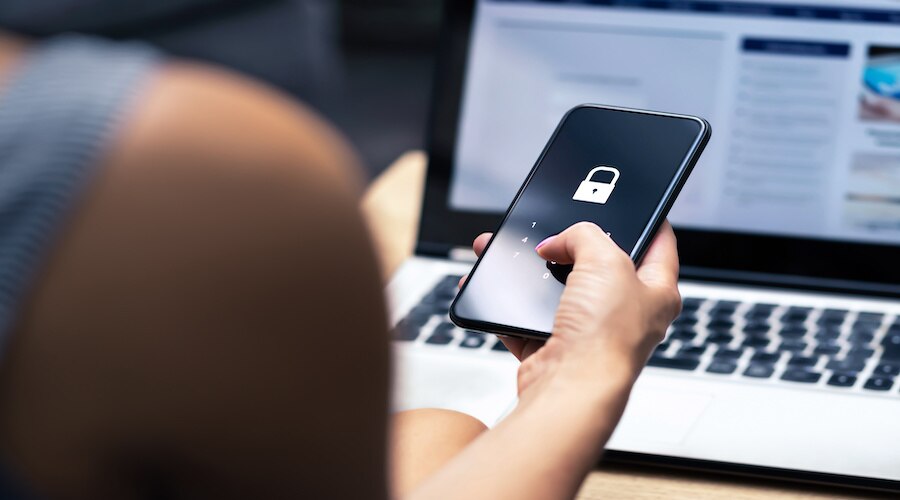
Two-factor authentication adds an extra layer of security to your accounts. Once you've successfully logged in with your password, you'll need to enter a code sent to your phone or email.Enable two-factor authentication for all accounts that offer it, especially for sensitive information.
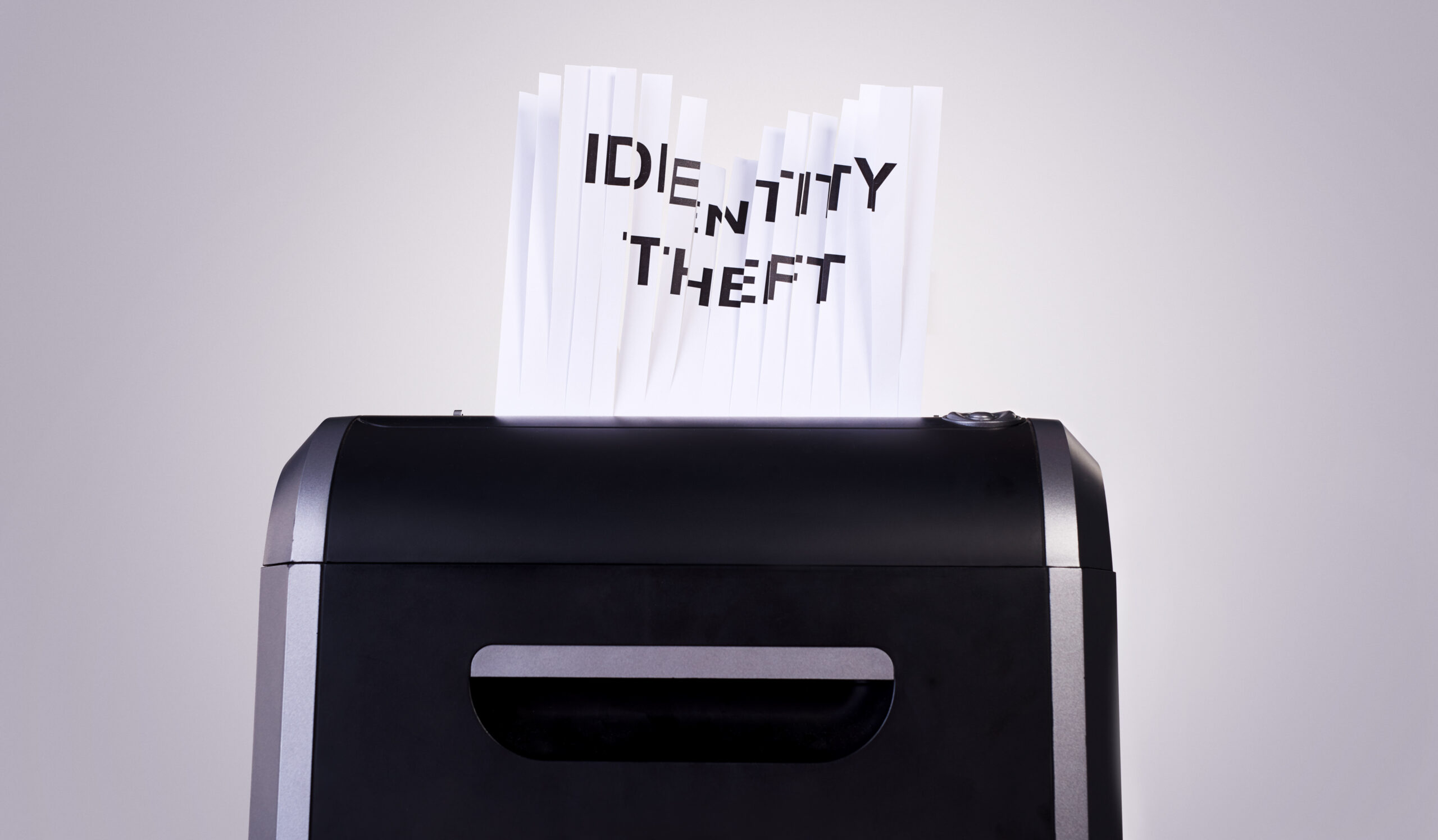
8. Shred Sensitive DocumentsWhen disposing of sensitive documents, use a shredder or a secure document disposal service to ensure they don't fall into the wrong hands.
Shred documents containing sensitive information like social security numbers, credit card numbers, and loan documents.
9. Be Cautious with Email and Texts
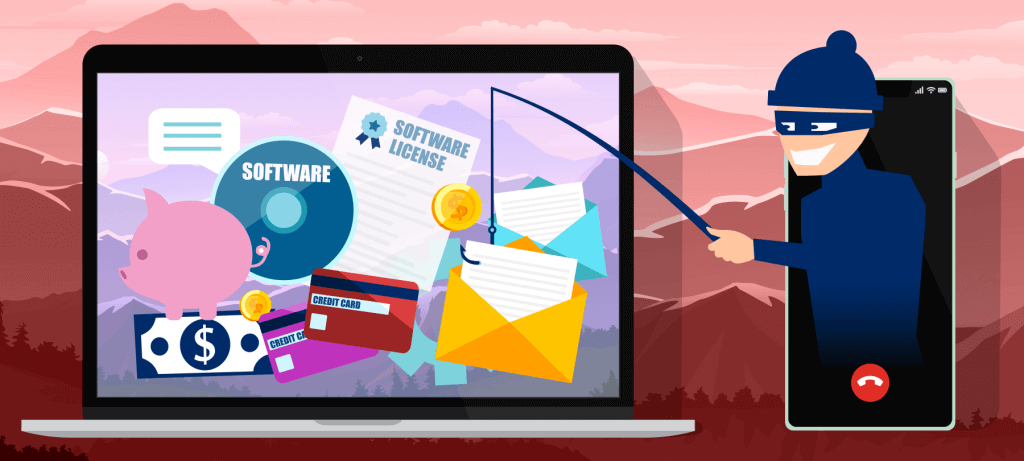
Beware of phishing emails and texts from scammers posing as trusted institutions. Never click on suspicious links or provide sensitive information in response to such messages.Verify the authenticity of emails and texts before responding to them, and never click on suspicious links or download attachments from unknown sources.