Protect Your Finances: Prevent Credit Card Online Scams
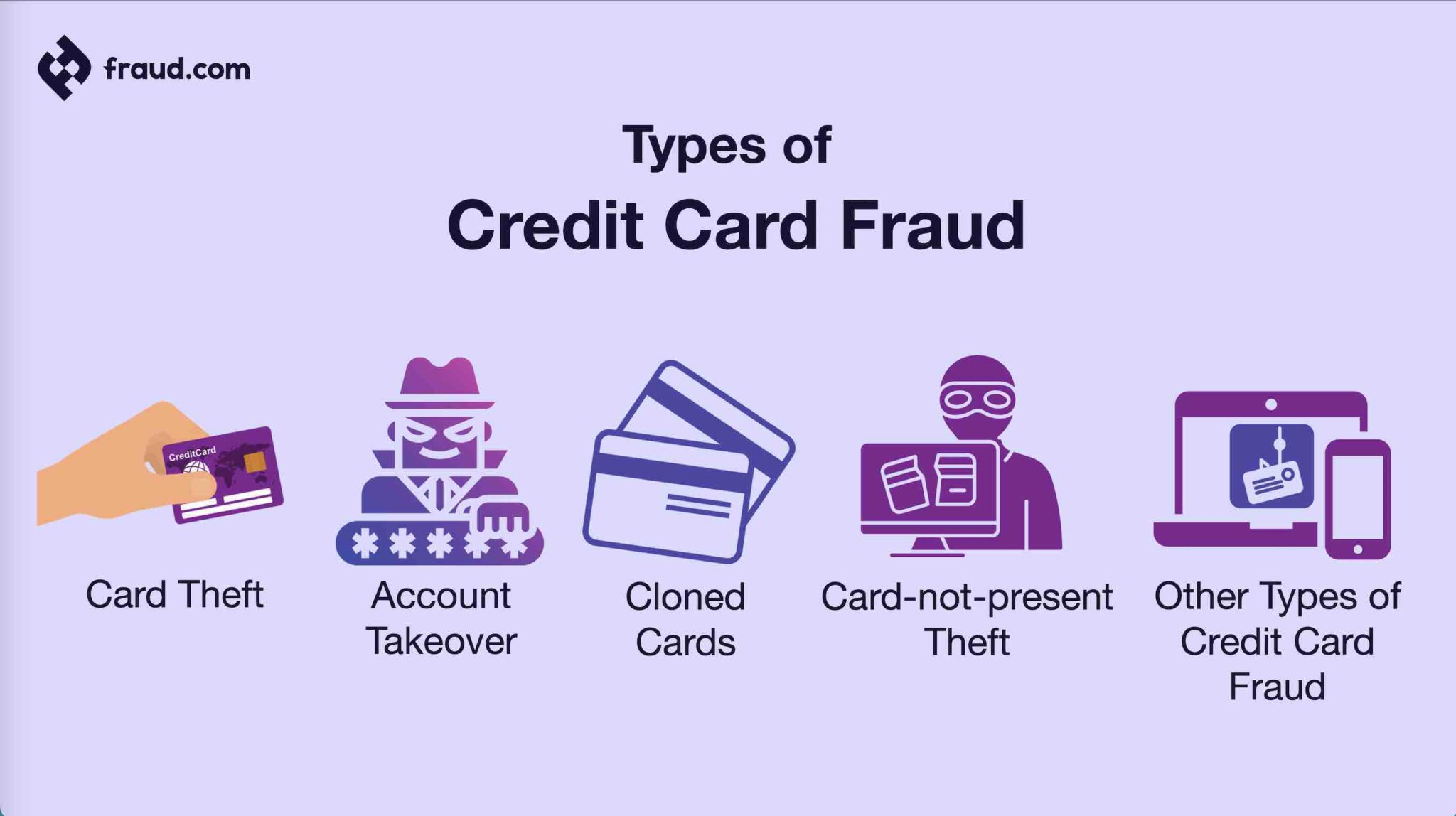
In today's digital age, online transactions have become an integral part of our daily lives. With the rise of e-commerce and online shopping, credit card scams have also become a significant concern. Scammers are getting more sophisticated in their tactics, making it essential to take proactive measures to prevent credit card online scams. In this article, we will discuss some of the common credit card scams, tips on how to avoid them, and most importantly, how to prevent credit card online scams from happening in the first place.Common Credit Card Scams to Watch Out For
1.Phishing Scams
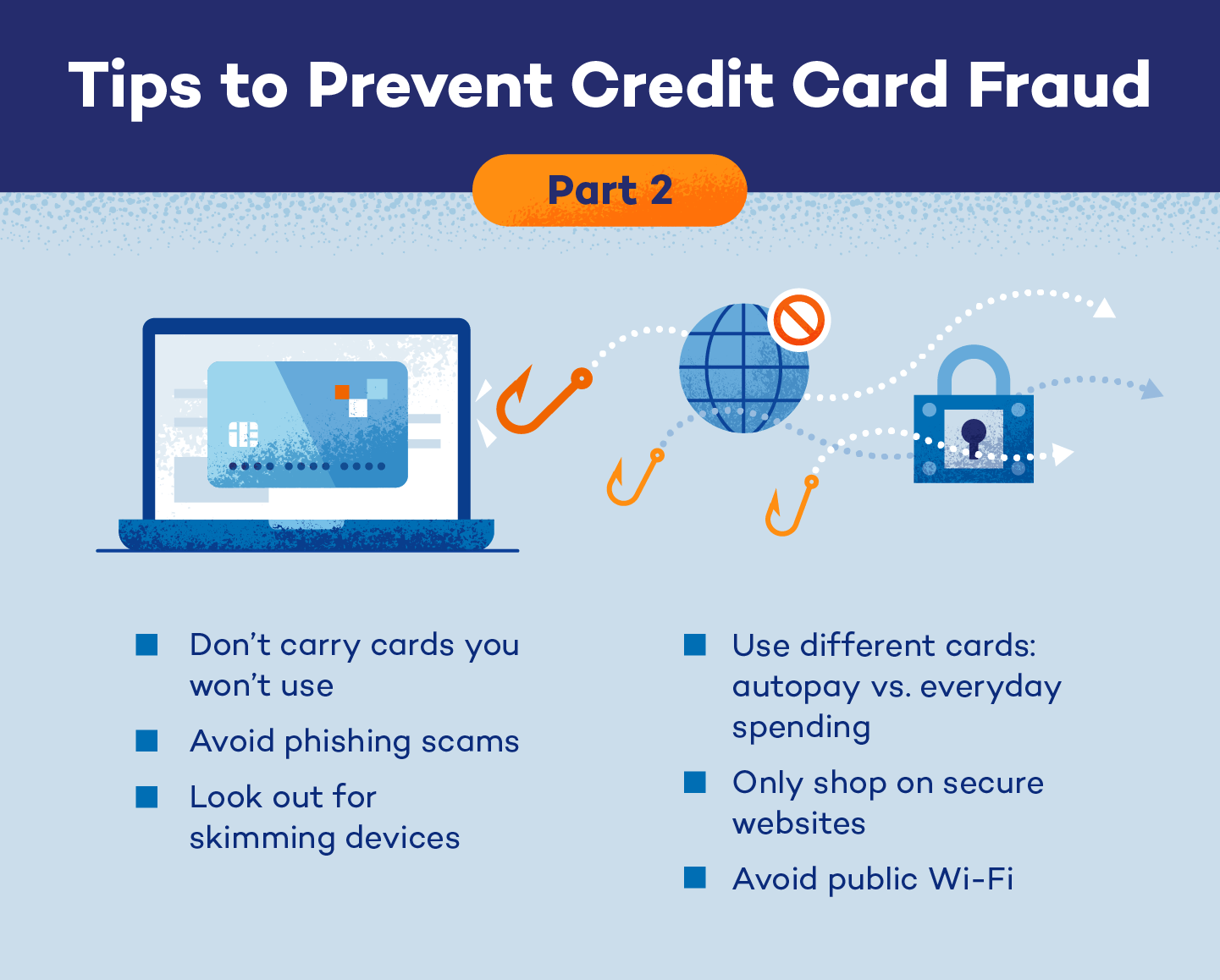
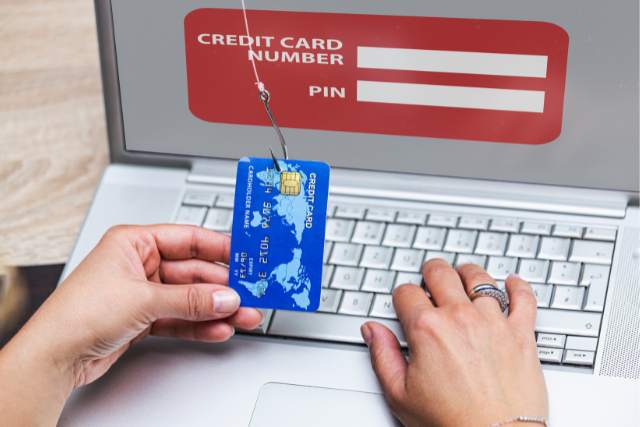
Phishing scams are one of the most common types of credit card scams. Scammers send emails, texts, or messages that appear to be from legitimate organizations, tricking victims into revealing their credit card information. Always be cautious when receiving unsolicited messages, and never click on suspicious links or provide personal information. 2.Skimming and Shimming
Skimming and shimming involve attaching devices to ATMs or payment terminals to steal credit card information. Be aware of your surroundings when using ATMs, and cover the keypad when entering your PIN to prevent it from being recorded. 3.Credit Card Laundering Scams
Credit card laundering scams involve using credit cards to buy items, then reselling them for cash. Be aware of the prices of items before purchasing, and research the seller to ensure they are legitimate.10 Ways to Prevent Credit Card Online Scams
1.Secure Your Online Accounts
Use strong passwords and two-factor authentication to secure your online accounts, including your credit card accounts. 2.Be Cautious with Payment Information
Avoid saving your payment information on websites, and never use public computers or public Wi-Fi to make online transactions. 3.Keep an Eye Out for Credit Card Skimmers
Be aware of your surroundings when using ATMs or payment terminals, and cover the keypad when entering your PIN. 4.Verify Transactions
Always verify transactions on your credit card statement, and report any suspicious activity to your credit card issuer. 5.Use Credit Card Monitoring