How to Protect Credit Card Details Online: A Comprehensive Guide
With the rise of e-commerce, credit card transactions have become a common occurrence. However, this convenience comes with a risk – credit card details can be stolen online, leading to financial losses and identity theft. In this article, we will explore the importance of protecting credit card details online and provide you with a step-by-step guide on how to do so.
The Risks of Credit Card Details Online
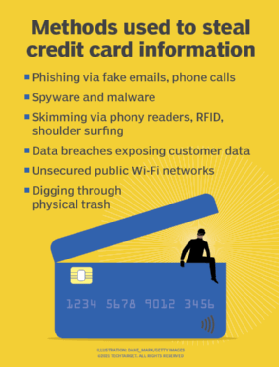
Credit card details can be stolen through various online means, including:
- Phishing scams: Fake websites or emails that mimic legitimate ones, asking for sensitive information.
- Card skimming: Devices attached to ATMs or payment terminals that capture credit card information.
- Malware: Viruses that infiltrate computers or mobile devices, stealing credit card details.
- Data breaches: Compromised databases that contain credit card information.
How to Protect Credit Card Details Online
To safeguard your credit card details, follow these essential tips:
1. Use Strong Passwords and 2-Factor Authentication
Create unique and complex passwords for all online accounts, including credit card statements and banking websites. Enable 2-factor authentication (2FA) whenever possible, which requires a second form of verification, such as a code sent to your phone or a biometric scan.
2. Monitor Your Credit Card Statements
Regularly check your credit card statements for suspicious transactions. If you notice any unusual activity, report it to your credit card issuer immediately.
3. Use a Secure Browser and Connection
Ensure your browser and connection are secure by:
- Using a reputable antivirus software and keeping it up to date.
- Enabling HTTPS (Hypertext Transfer Protocol Secure) when making online transactions.
- Avoiding public Wi-Fi networks or using a virtual private network (VPN) when shopping online.

4. Be Cautious of Email and Phone Scams
Beware of emails or phone calls that ask for your credit card information. Legitimate organizations will never request sensitive information via email or phone.
5. Use a Credit Card with Zero Liability
Choose a credit card that offers zero liability protection, which means you won't be held responsible for unauthorized transactions.
6. Keep Your Device and Software Up to Date
Regularly update your device's operating system, browser, and software to ensure you have the latest security patches and features.
7. Use a Credit Card Tracker
Consider using a credit card tracker to monitor your credit card activity and receive alerts for suspicious transactions.
Additional Tips
In addition to the above tips, consider the following:
- Shred unnecessary documents, including credit card statements and receipts.
- Use a credit card with a chip for added security.
- Report lost or stolen credit cards to your issuer promptly.
- Use a password manager to securely store your login credentials.
Conclusion
Protecting your credit card details online is crucial in today's digital age. By following these tips and being vigilant, you can significantly reduce the risk of credit card theft and identity theft. Remember, it's always better to be safe than sorry – take proactive steps to safeguard your financial information and enjoy online shopping with peace of mind.



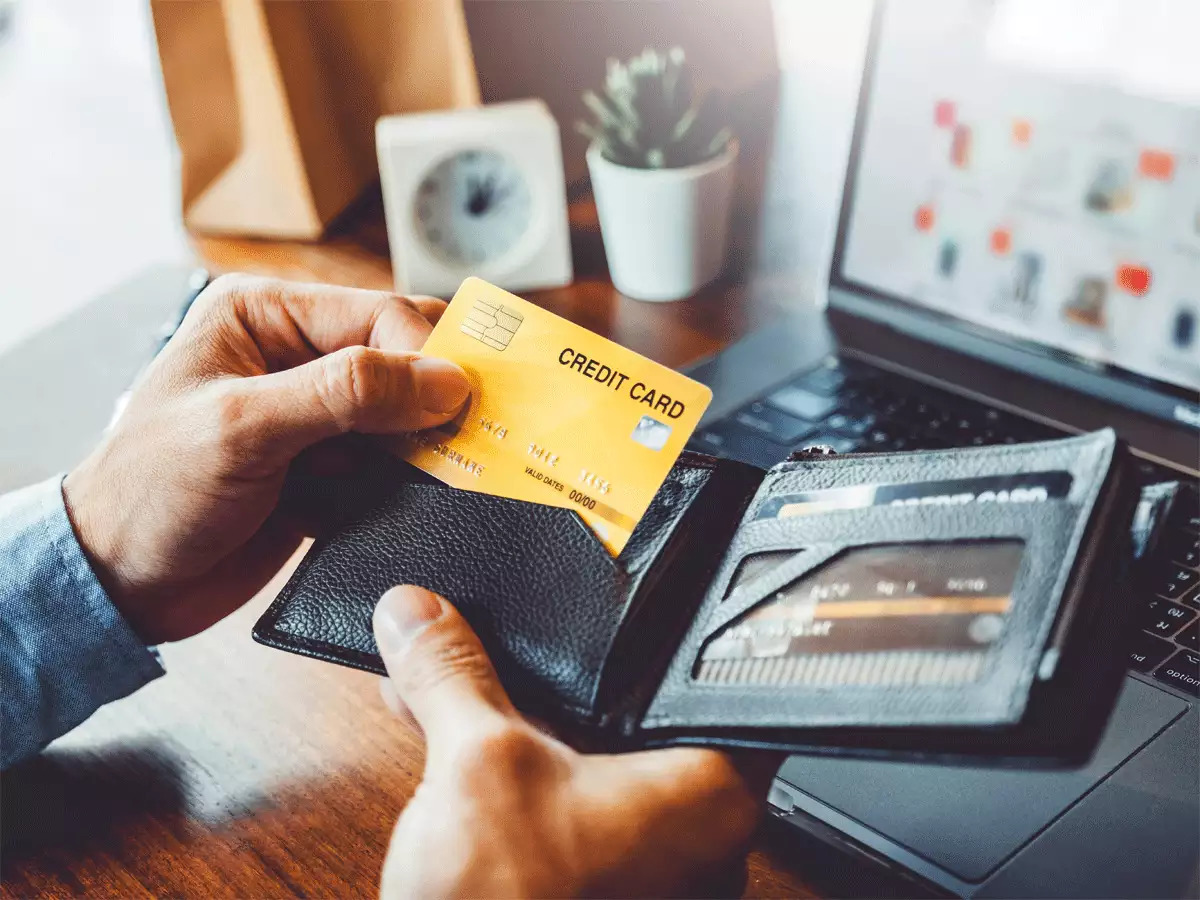
.jpg?width=680&height=544&name=Person%20comfortably%20shopping%20online%20at%20home%E2%80%94holding%20a%20credit%20card%20(1).jpg "12 Tips on Credit Card Safety 101 - bankunited.com")