How to Get Rid of Gnats in Greenhouse: A Comprehensive Guide
Fungus gnats can be a persistent problem in greenhouses, causing damage to plants and disrupting growth. These tiny insects thrive in moist environments, making them a challenge to eliminate. However, with the right strategies and techniques, it's possible to get rid of gnats in greenhouse and maintain a healthy and thriving environment for your plants.
Understanding Fungus Gnats
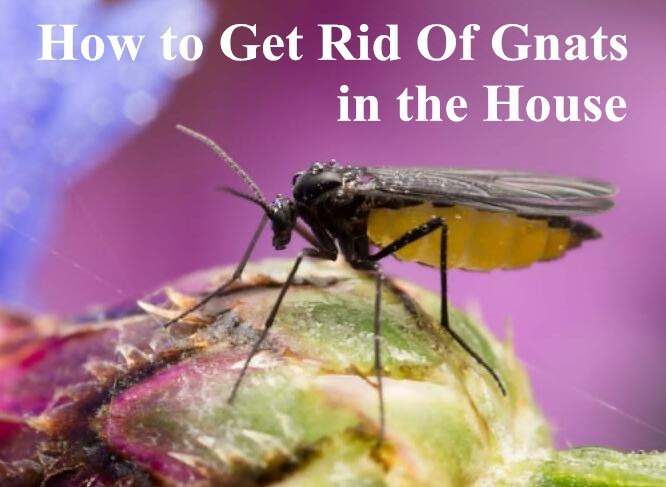
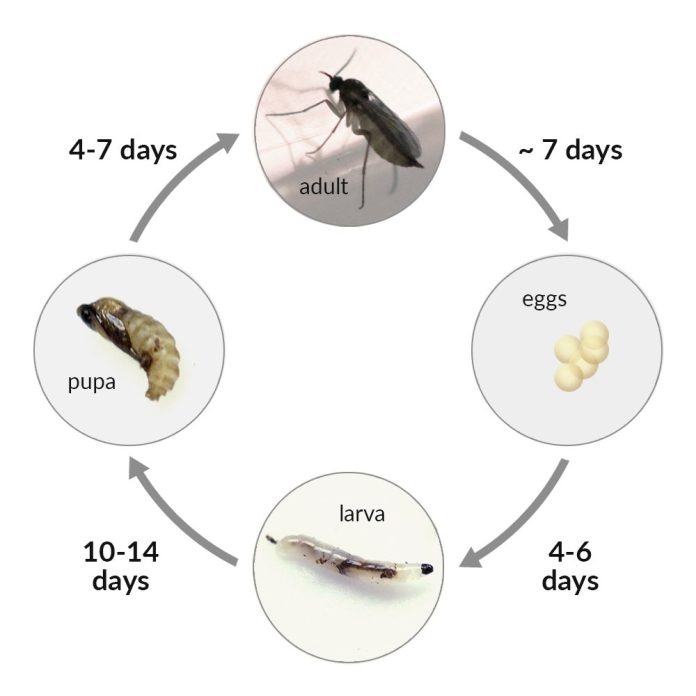
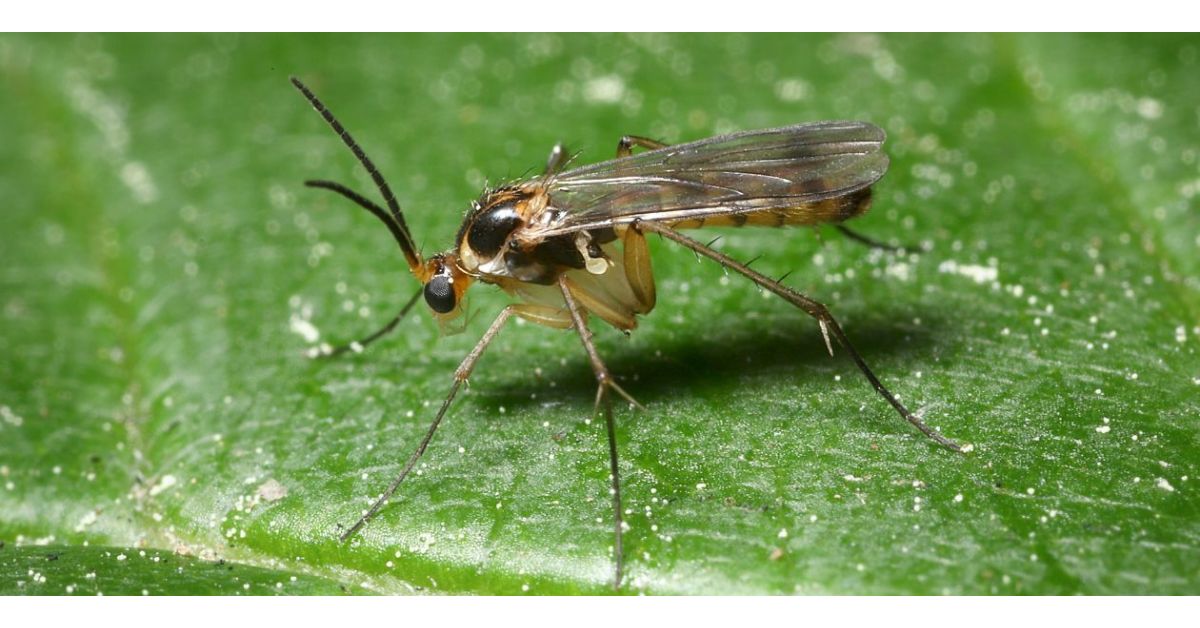
Fungus gnats are small flying insects that feed on fungi and organic matter in soil. They have a unique life cycle, with adults laying eggs in moist soil, which hatch into larvae that feed on fungi and organic matter. The larvae then pupate and emerge as adult gnats, starting the cycle again.
Signs of Fungus Gnat Infestation
Identifying a fungus gnat infestation is crucial to taking action. Common signs include:
- Yellowing leaves and stunted growth
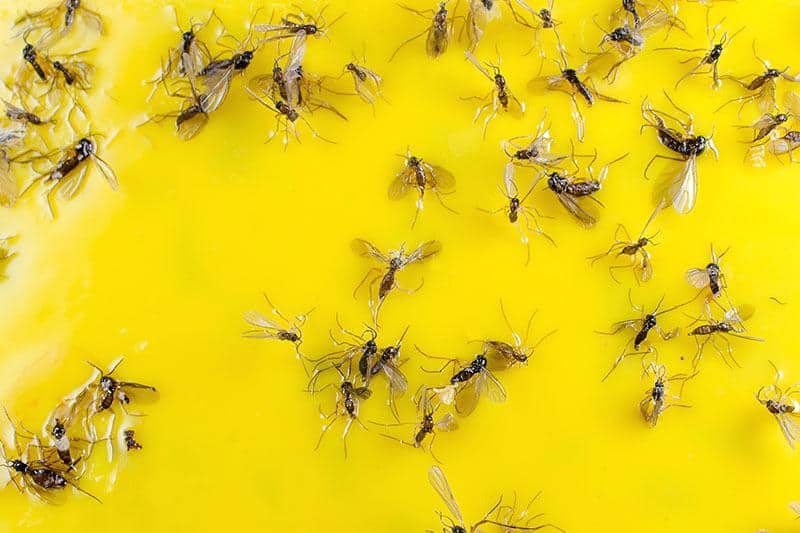
- Small, dark-colored flying insects around plants
- Soil with a sour or acidic smell
- Larvae or eggs in the soil
How to Get Rid of Gnats in Greenhouse
To eliminate fungus gnats in greenhouse, follow these steps:
Step 1: Improve Ventilation and Air Circulation
Good air circulation is essential to prevent fungus gnats from breeding. Ensure your greenhouse has proper ventilation, and consider using fans to improve air circulation.
Step 2: Reduce Moisture
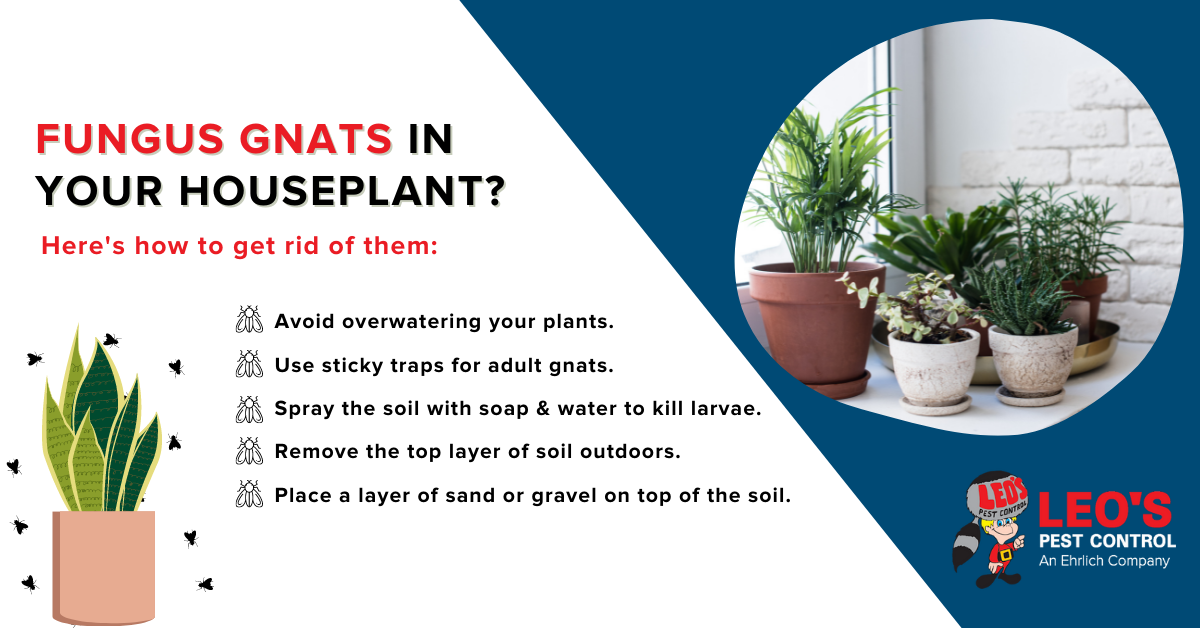
Fungus gnats thrive in moist environments. Reduce watering, and ensure the soil dries out between waterings. This will make it difficult for gnats to breed and lay eggs.
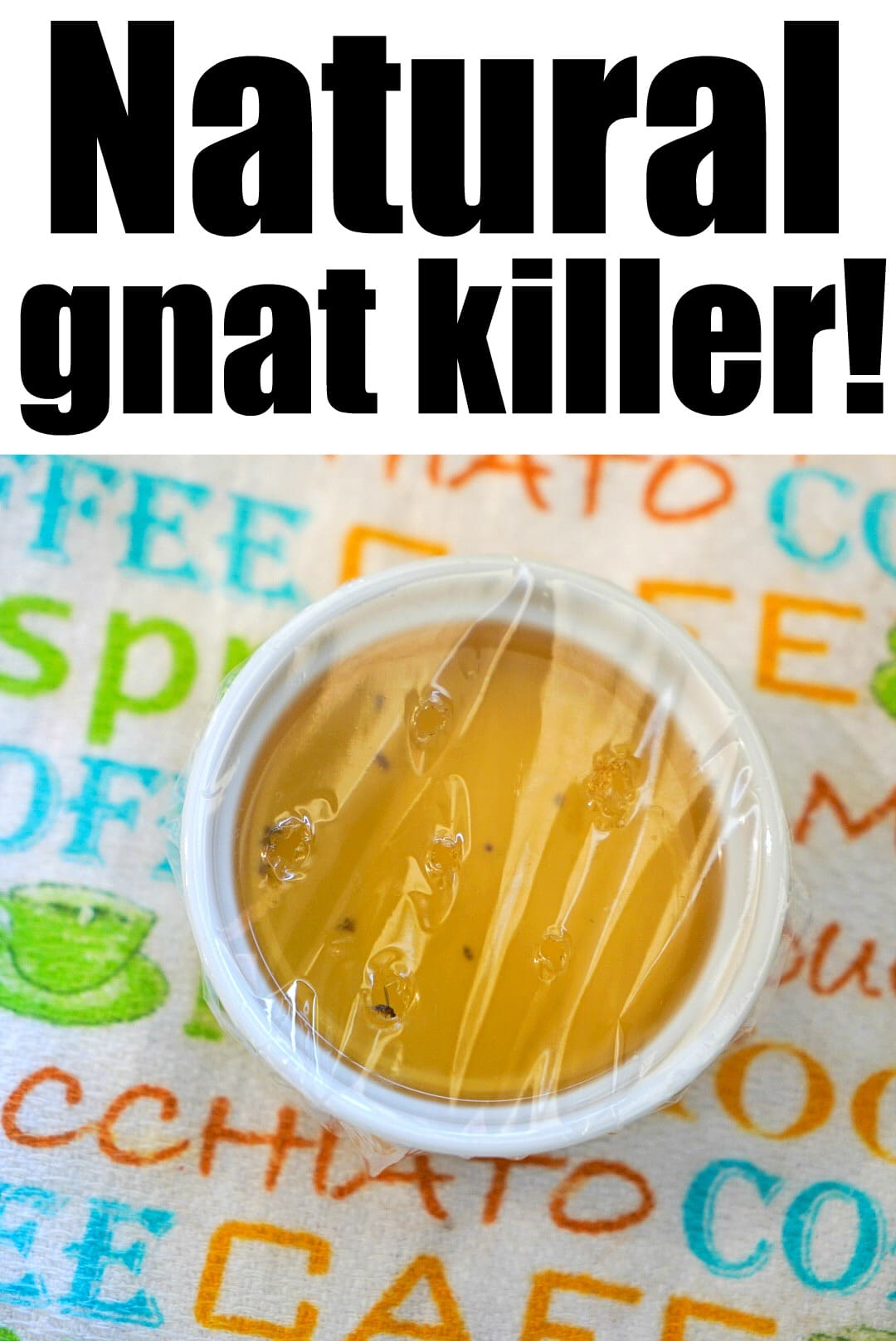
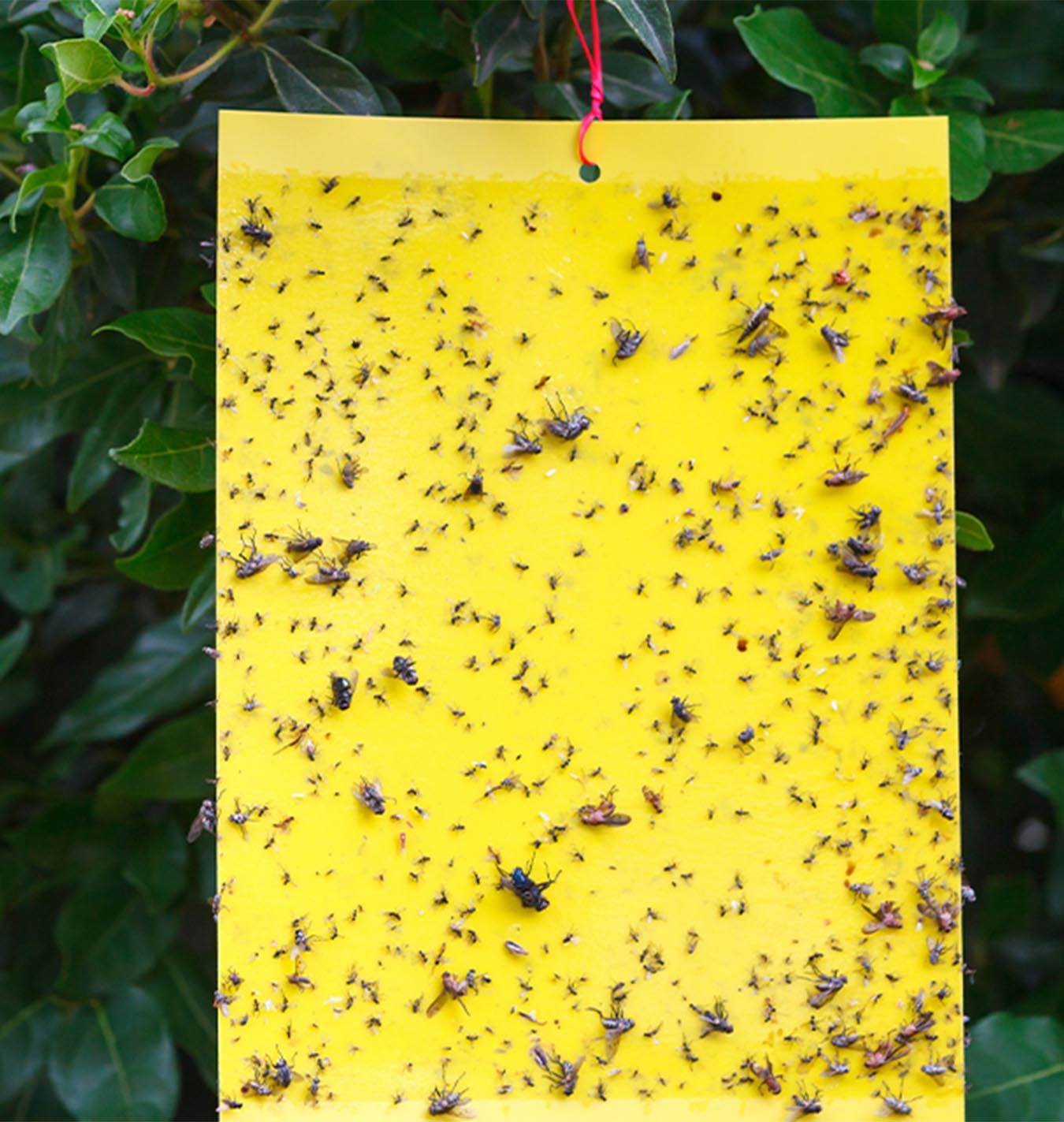
Step 3: Use Natural Traps

Use natural traps to capture adult gnats, such as:
- Yellow sticky traps
- Apple cider vinegar traps
- Electronic traps
Step 4: Apply Diatomaceous Earth
Diatomaceous earth is a natural, non-toxic substance that dehydrates and kills gnats. Apply it to the soil and plants to control infestations.
Step 5: Use Hydrogen Peroxide
Hydrogen peroxide is a natural, non-toxic substance that kills gnat larvae. Mix it with water and apply it to the soil to control infestations.
Step 6: Repot with Fresh Soil
Repotting with fresh soil can help eliminate fungus gnats. Choose a well-draining potting mix and ensure the new soil is free of gnats and their eggs.
Preventing Fungus Gnat Infestations
Prevention is key to maintaining a fungus gnat-free greenhouse. Follow these tips to prevent infestations:
- Use well-draining potting mixes
- Water plants carefully, avoiding overwatering
- Monitor plants regularly for signs of infestation
- Keep the greenhouse clean and free of debris
Conclusion
Fungus gnats can be a challenging problem in greenhouses, but with the right strategies and techniques, it's possible to eliminate them and maintain a healthy and thriving environment for your plants. By improving ventilation, reducing moisture, using natural traps, applying diatomaceous earth, using hydrogen peroxide, and repotting with fresh soil, you can get rid of gnats in greenhouse and enjoy a pest-free growing environment.