Getting a Job in a Journalism Industry: A Comprehensive Guide
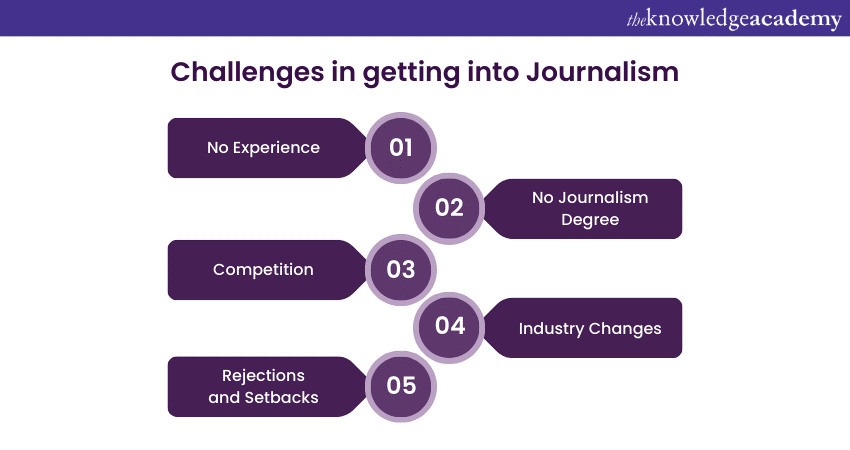
Breaking into journalism can be both exciting and challenging. Whether you dream of becoming a news reporter, a feature writer, or a multimedia journalist, the path to landing a job in journalism involves more than just strong writing skills. It requires persistence, versatility, and a clear understanding of the industry's evolving landscape.
Understanding the Journalism Industry
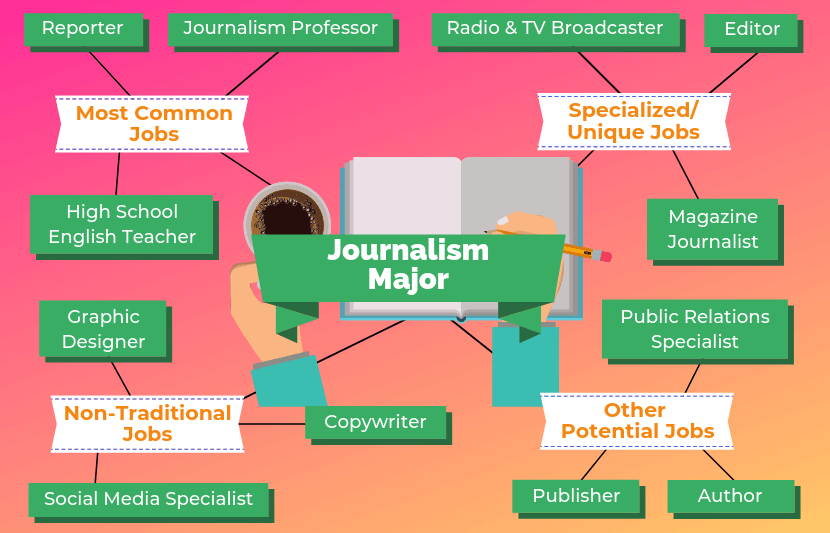
The journalism industry encompasses several jobs for you to consider, including those in public relations, broadcast or print journalism. Understanding the variety of positions available can help you make the most informed decision regarding your future in this industry.
Skills and Qualifications
While a journalism degree is highly valued in the industry, it's not the only key to success. Journalists need to possess a range of skills and qualifications, including strong writing and reporting skills, attention to detail, and the ability to work under pressure. They must also be able to adapt to new technologies and industry trends.
Creating a Strong Portfolio
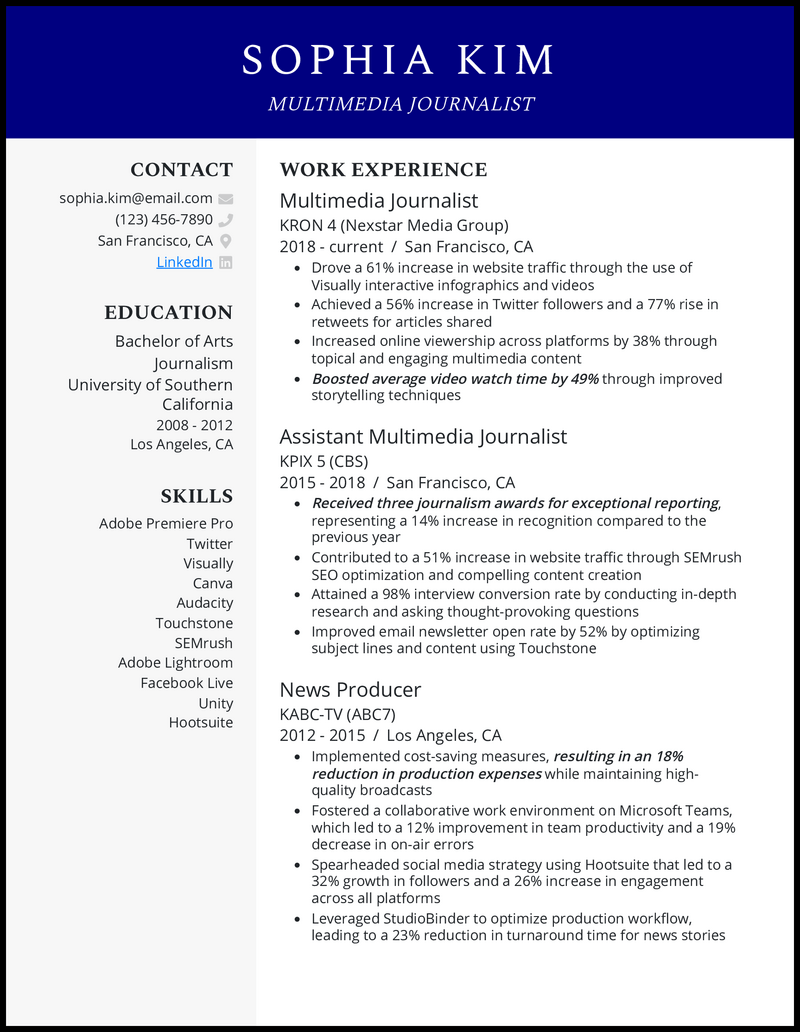
Building a strong portfolio is essential for anyone looking to get a job in journalism. A portfolio should showcase your writing and reporting skills, as well as your ability to work under pressure and meet deadlines. It's also a great way to demonstrate your versatility and range as a journalist.
Networking and Internships
Networking and internships are also crucial for getting a job in journalism. Building relationships with editors, producers, and other industry professionals can help you stay up-to-date on the latest job opportunities and industry trends. Internships provide valuable work experience and can help you build your portfolio and make connections in the industry.

Job Opportunities in Journalism
The journalism industry offers a range of job opportunities, from reporting and editing to broadcasting and public relations. Journalists can work in various settings, including newspapers, magazines, websites, television, and radio. They can also work as freelancers or as part of a larger news organization.
Salary and Job Outlook
The salary for journalists can vary depending on their level of experience, location, and industry. According to the Bureau of Labor Statistics, the median annual salary for journalists in the United States was around $45,000 in May 2020. The job outlook for journalists is generally positive, with the BLS predicting a 3% growth in employment opportunities from 2020 to 2030.
Conclusion
Getting a job in a journalism industry requires a combination of strong writing and reporting skills, attention to detail, and the ability to work under pressure. Building a strong portfolio, networking and internships, and staying up-to-date on the latest industry trends are also essential for success. With persistence, versatility, and a clear understanding of the industry's evolving landscape, you can build a successful and rewarding career in journalism.
Resources
- JournalismJobs.com: A comprehensive job board and resource for journalists and media professionals.
- Bureau of Labor Statistics: A valuable resource for information on salary, job outlook, and employment opportunities in journalism.
- Association for Women in Communications: A professional organization for women in journalism and communications.
- Investigative Reporters and Editors: A professional organization for investigative journalists.
- Reuters Institute for the Study of Journalism: A research center that studies the journalism industry and provides valuable insights and resources for journalists and media professionals.