Flat Tire Recovery Methods: A Comprehensive Guide
Having a flat tire is one of the most inconvenient aspects of driving. Dealing with a flat tire can be frustrating, especially when you're in a rush or far from civilization. However, knowing the right flat tire recovery methods can save you time, money, and a lot of stress. In this article, we'll explore the various ways to handle a flat tire and provide you with a step-by-step guide to fix a flat tire without calling a tow truck.
Preparation is Key
Before you get a flat tire, it's essential to be prepared. Always make sure you have a spare tire, a lug wrench, and a car jack in your vehicle. Additionally, it's a good idea to keep a tire repair kit in your car, especially if you have a long trip planned.
Tools You'll Need:
- Tire repair kit
- Lug wrench
- Car jack
- Spare tire
- Tire plug or patch kit
- Wheel chocks
Flat Tire Recovery Methods
When dealing with a flat tire, there are several options to consider. The best method for you will depend on the severity of the flat, your location, and the tools you have available. Here are some common flat tire recovery methods:
Method 1: Change the Tire
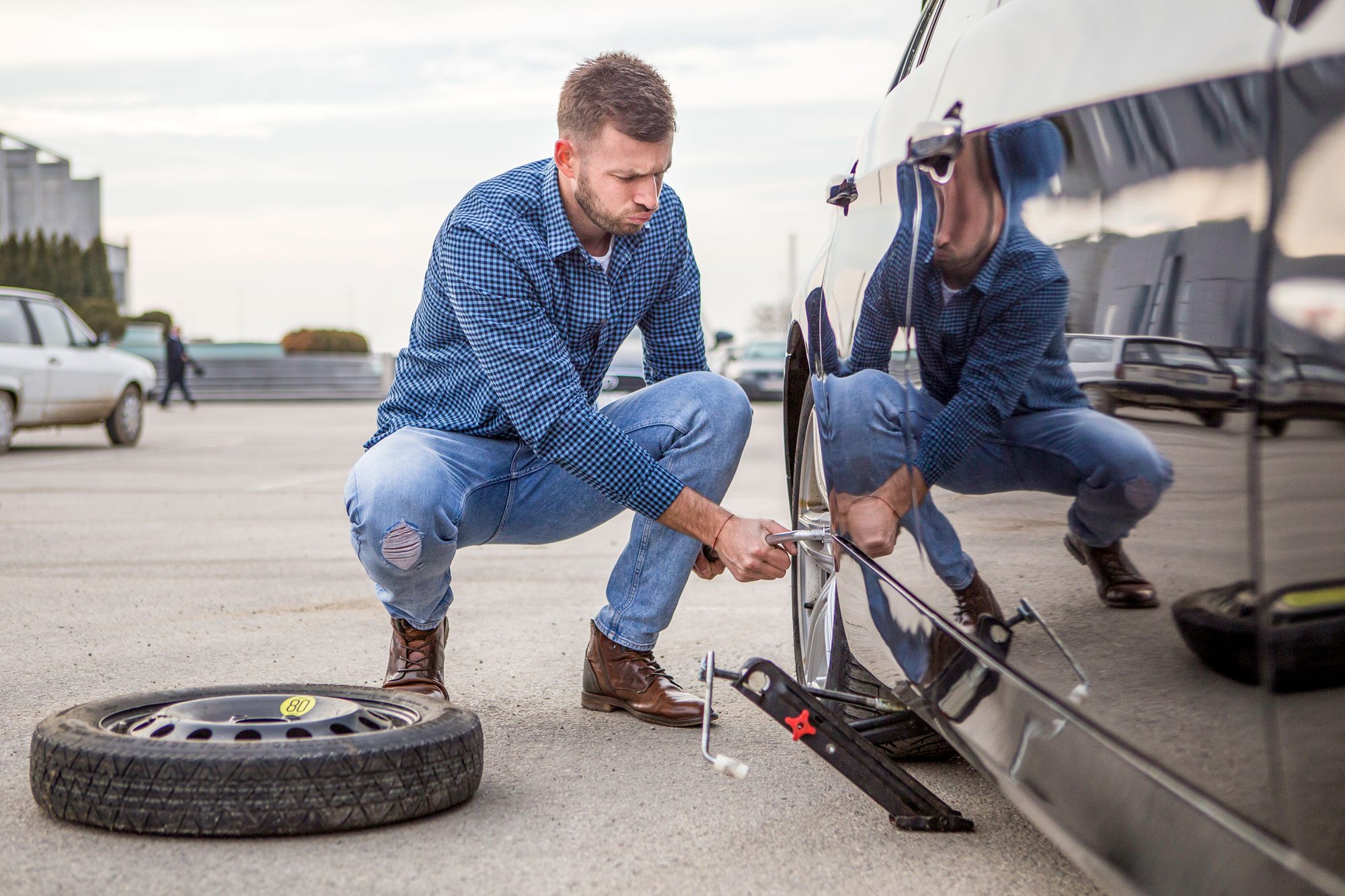
If you have a spare tire, changing the tire is often the fastest way to get back on the road. This method requires a lug wrench and a car jack. If you've never changed a tire before, it's a good idea to practice in a safe environment before you get a flat tire on the road.
Step-by-Step Guide to Changing a Tire:
- Find a safe location to change the tire, away from traffic.
- Turn off the engine and engage the parking brake.
- Loosen the lug nuts with the lug wrench, but do not remove them yet.
- Jack up the vehicle and remove the lug nuts.
- Replace the flat tire with the spare tire.
- Tighten the lug nuts in a star pattern.
Method 2: Plug the Tire
If you don't have a spare tire or if the flat tire is not severe, you can plug the tire instead of replacing it. This method requires a tire plug or patch kit. Plugging a tire can be a quick and easy solution, but it's essential to follow the manufacturer's instructions and use the correct materials.
Method 3: Call for Roadside Assistance
If you're not comfortable changing the tire yourself or if you don't have access to the necessary tools, it's always better to call for roadside assistance. This will get you help from a professional mechanic who can change the tire or repair it for you.
When to Call a Professional
While changing a tire can be done by anyone, there are times when it's better to call a professional. If:
- You're not comfortable changing the tire yourself.
- The flat tire is in a precarious location, such as on a mountain road or a busy highway.
- You don't have access to the necessary tools or a spare tire.
- The flat tire is caused by a serious issue, such as a broken wheel or a damaged rim.
Conclusion
Dealing with a flat tire doesn't have to be stressful if you're prepared. By knowing the right flat tire recovery methods and having the necessary tools, you can fix a flat tire quickly and safely. Remember to always be prepared and to call for roadside assistance if you're not comfortable changing the tire yourself.





![How To Fix a Flat Tire [Step-by-Step Guide] - Auto Curious](https://i0.wp.com/tiretim.com/wp-content/uploads/2021/07/best-tire-plug-kit.jpg?fit=1024%2C538&ssl=1 "How To Fix a Flat Tire [Step-by-Step Guide] - Auto Curious")