Electric Motorcycle Range Extenders: Revolutionizing Long-Distance Rides
The world of electric motorcycles (e-motorcycles) has witnessed a tremendous shift towards embracing sustainable and eco-friendly transport solutions. Amidst this growth, the biggest hurdles to EV motorcycle adoption remain range and quick recharging. Could an electric motorcycle range extender provide the flexibility necessary to address these issues?
What is an Electric Motorcycle Range Extender?
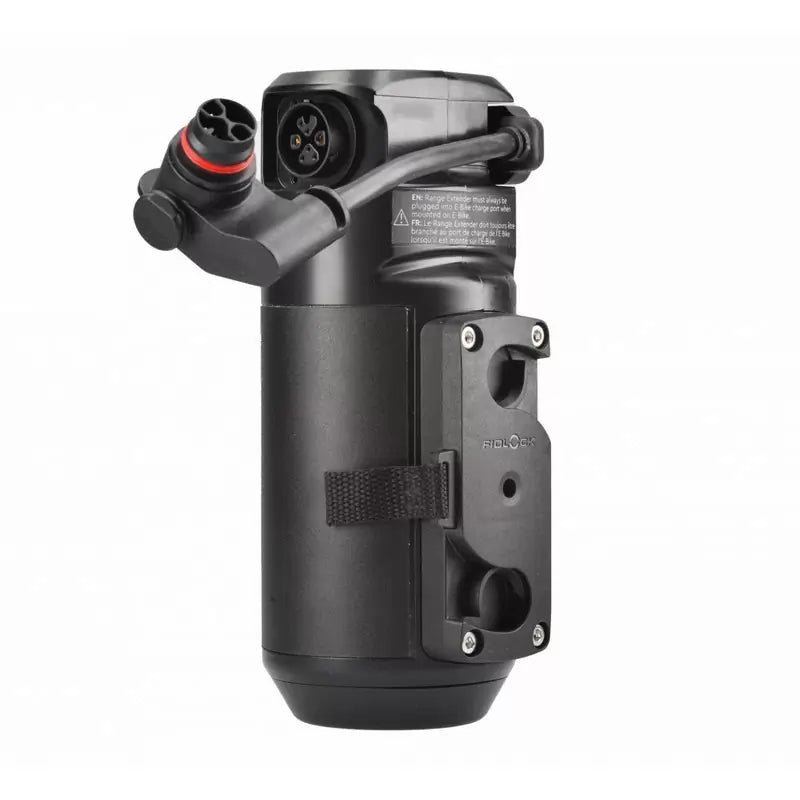
An electric motorcycle range extender (E-MREE) is an auxiliary power source that supplements the main battery pack of an e-motorcycle. This innovative technology aims to enhance driving range beyond typical electric vehicle limitations, making long-distance rides more feasible and enjoyable.
How Does an E-MREE Work?
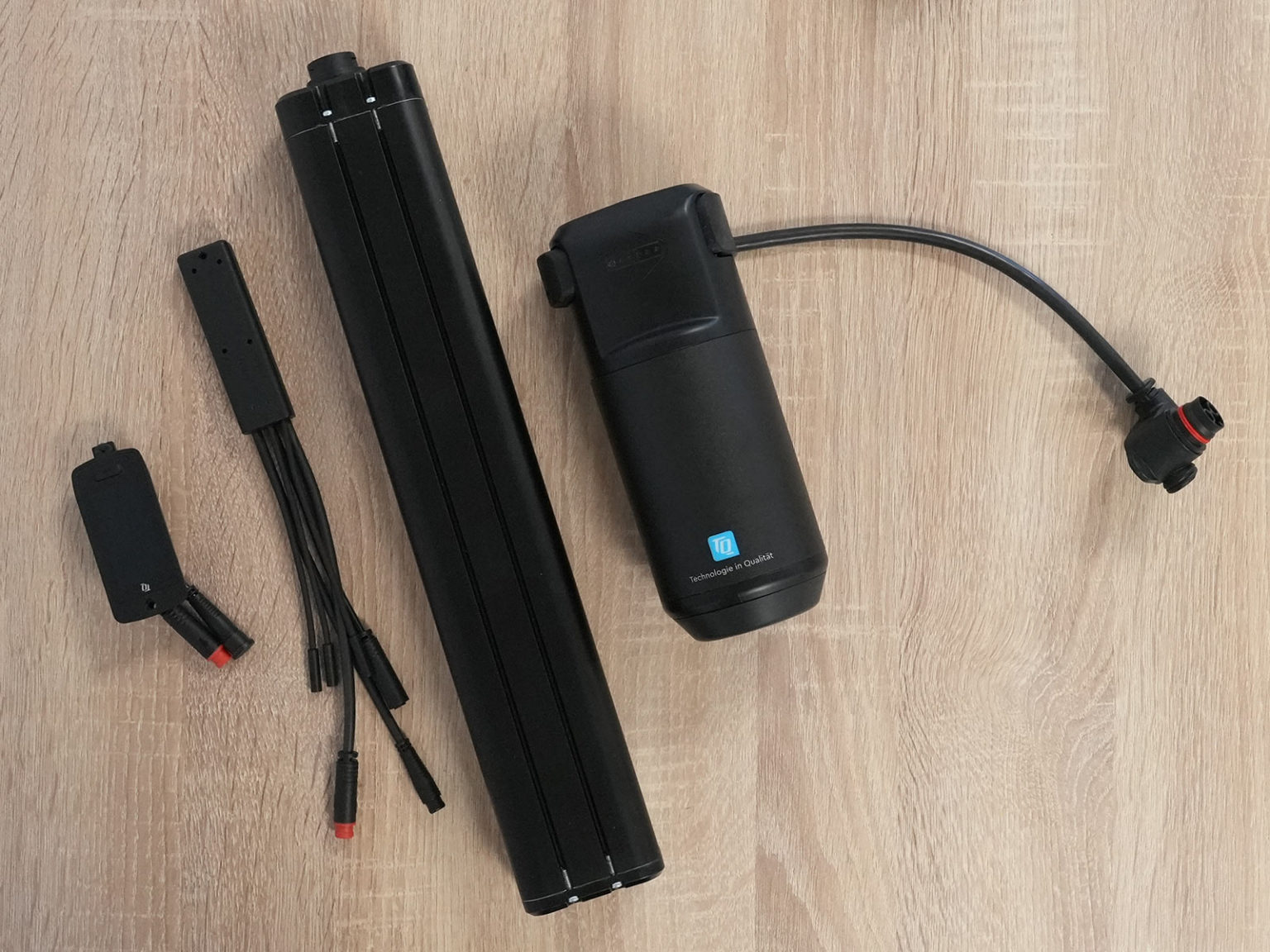
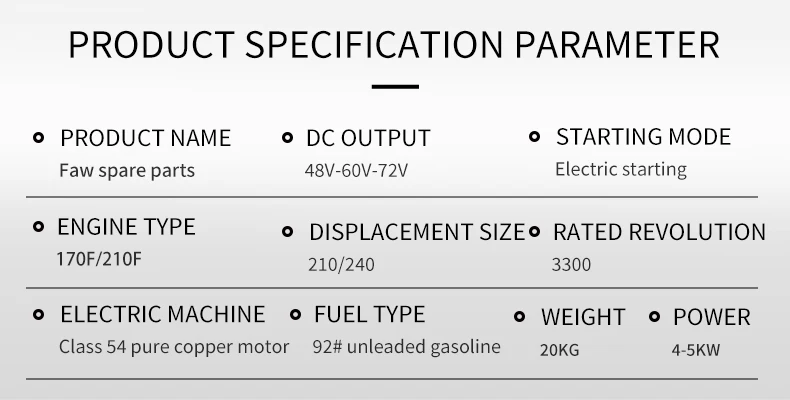
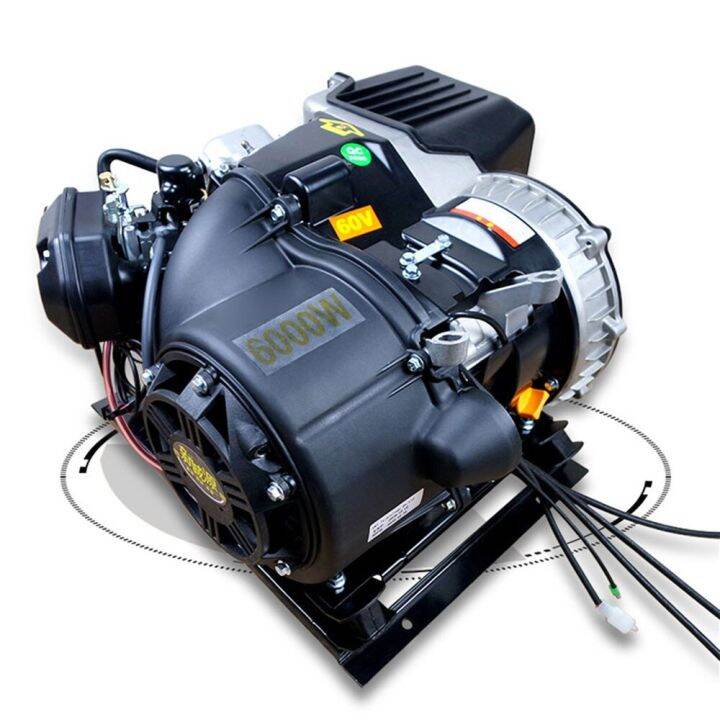
The fundamental concept behind an E-MREE involves pairing a small gas-powered engine with an e-motorcycle's electric drivetrain. When the battery is depleted, the range extender kicks in, harnessing energy from the small engine to generate additional power and extend the ride. This auxiliary power source can be a gasoline engine, a hydrogen fuel cell, or an additional battery.
Advantages of E-MREE
- Extended Range: E-MREE enables e-motorcycles to cover longer distances without worrying about recharging.
- Increased Flexibility: The ability to switch between power sources provides riders with flexibility in various riding scenarios.
- Enhanced Performance: The power boost from the range extender ensures that e-motorcycles maintain their high-performance capabilities.
- Reduced Range Anxiety: The reassurance of having an additional power source eliminates range anxiety, making e-motorcycles more appealing to potential buyers.
Real-World Applications
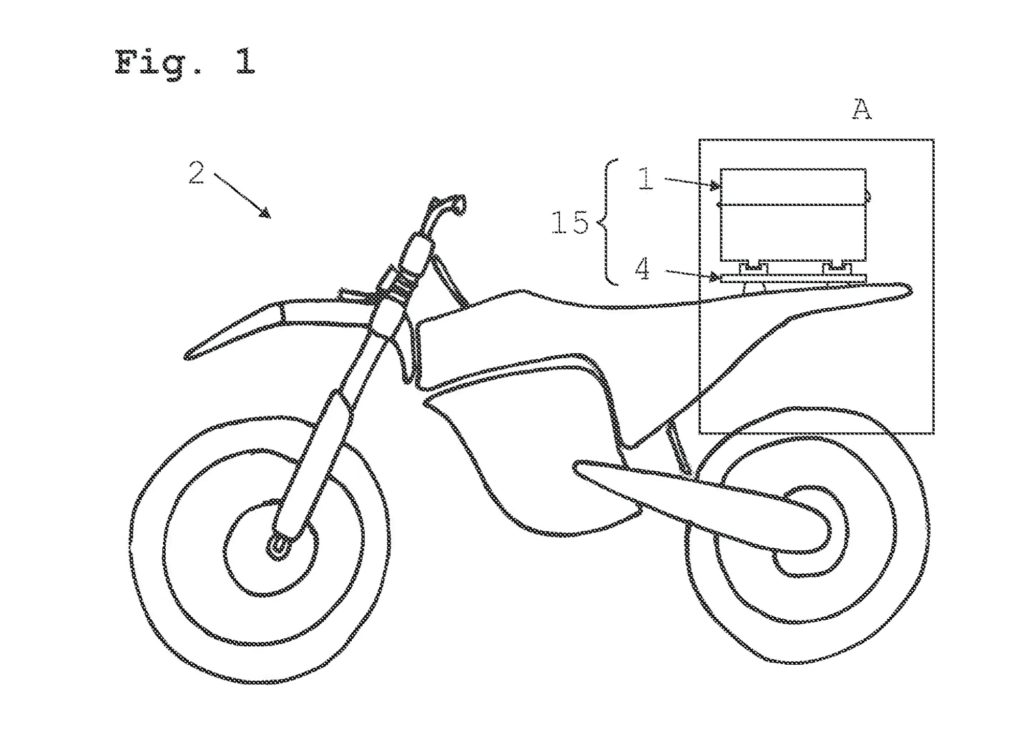
Several manufacturers, such as KTM, BMW, and Honda, are actively researching and developing E-MREE technologies. For instance, BMW's i3 REx features an integrated gasoline engine that serves as a range extender. Similarly, KTM's innovative patent concepts, like the modular "top box" extender, offer modularized solutions that house various power sources, including a small petrol-powered generator or a set of swappable batteries.
Key Considerations
While E-MREEs seem like a game-changer for e-motorcycles, there are several challenges to consider:
- System Integration: Seamlessly integrating the E-MREE with the e-motorcycle's electrical system is crucial.
- Energy Regulation and Management: Advanced energy management systems are required to optimize power distribution and ensure efficient use of the range extender.
- Cost and Weight: The added weight and complexity of the range extender can impact the overall cost and performance of the e-motorcycle.
Future Implications
As the adoption of E-MREEs continues, we can expect to see a significant impact on the e-motorcycle landscape:
- Improved Accessibility: E-MREEs will make e-motorcycles more accessible to riders who were previously intimidated by limited range.
- Increased Adoption: With the reassurance of extended range, more riders will be drawn to e-motorcycles, driving up demand and innovation in the industry.
- Sustainability: E-MREEs will further reduce the reliance on fossil fuels and contribute to a more environmentally friendly transportation sector.
Conclusion
Electric motorcycle range extenders hold great promise for revolutionizing long-distance e-motorcycle rides. By bridging the gap between battery capacity and riding range, E-MREEs are poised to revolutionize the e-motorcycle industry, making it more appealing, accessible, and sustainable. As research and development continue, we can expect to see even more innovative solutions emerge, shaping the future of e-motorcycle adoption.