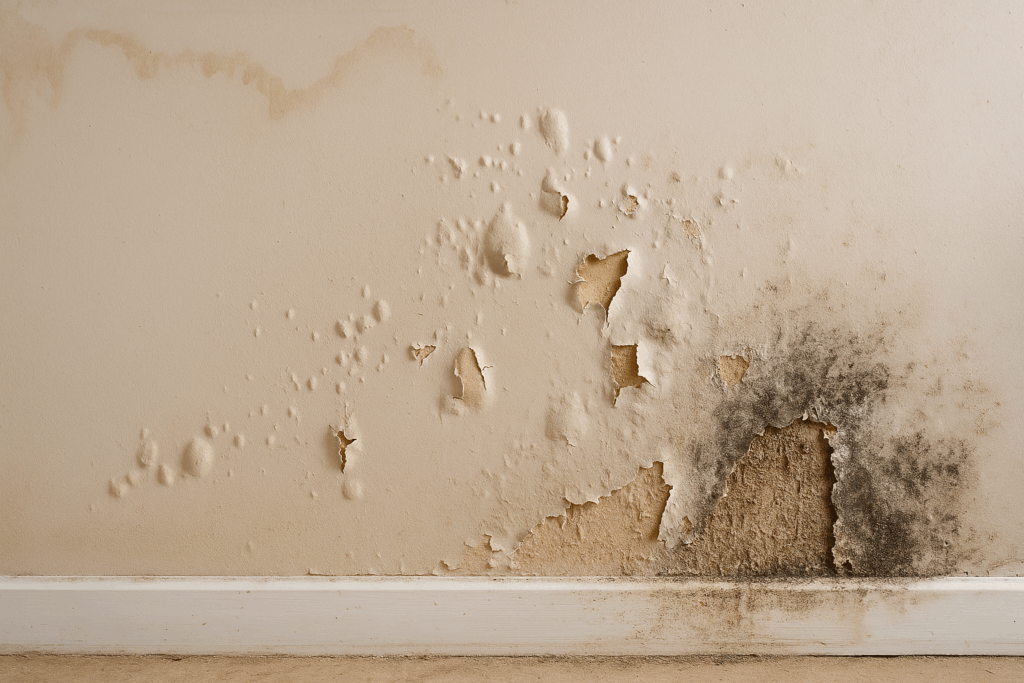
Understanding the Importance of Drywall Water Damage Repair
Drywall is a critical component of any building's structure, and its water-damaged state can lead to severe consequences, including mold growth, structural issues, and expensive repairs. Therefore, it is essential to address water-damaged drywall promptly and effectively. In this article, we will delve into the world of drywall water damage repair, discussing the importance of swift action, the best techniques for restoration, and the role of professionals in the process.
Why Drywall Water Damage Repair is so Crucial
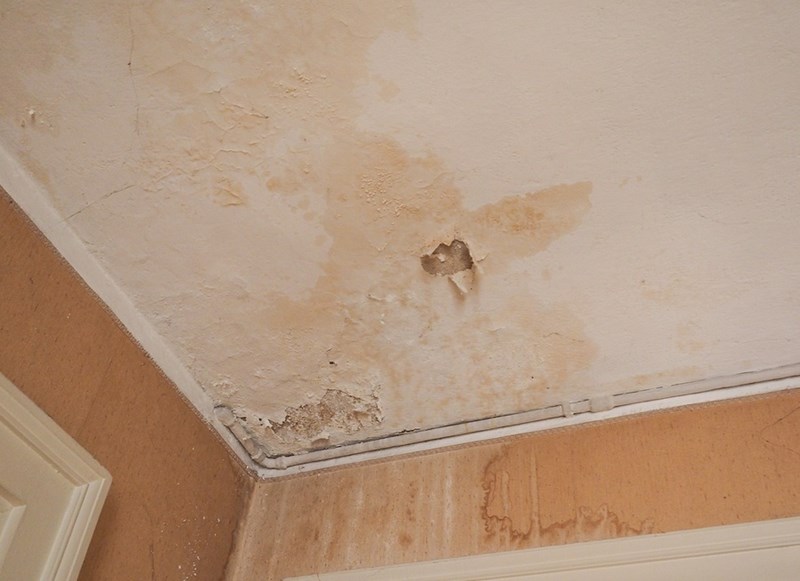
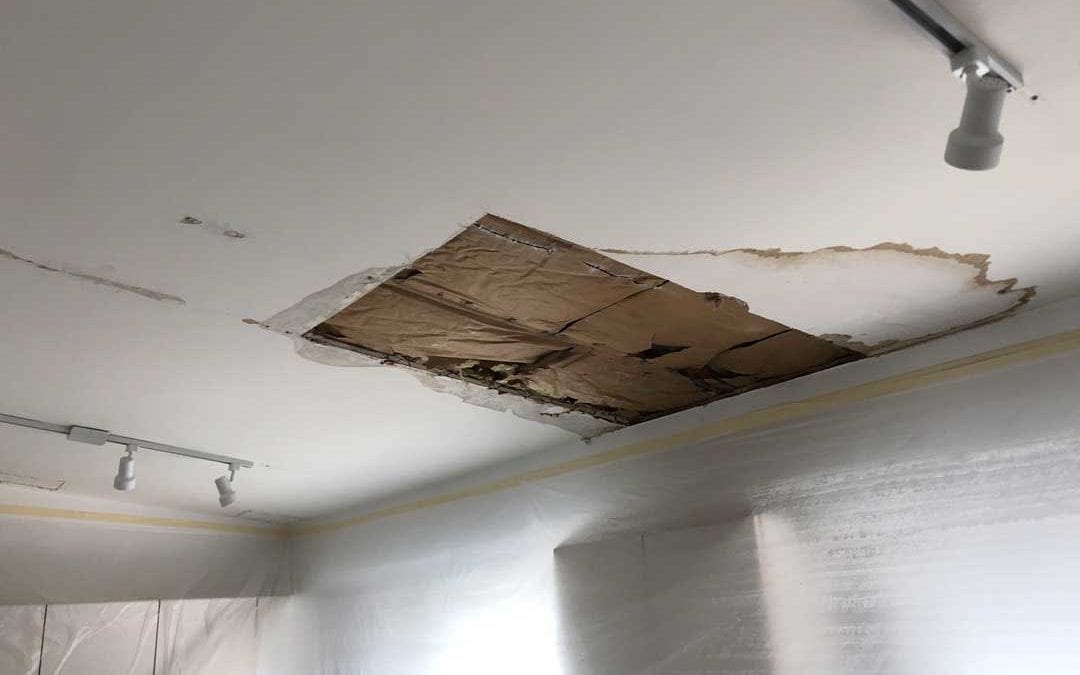
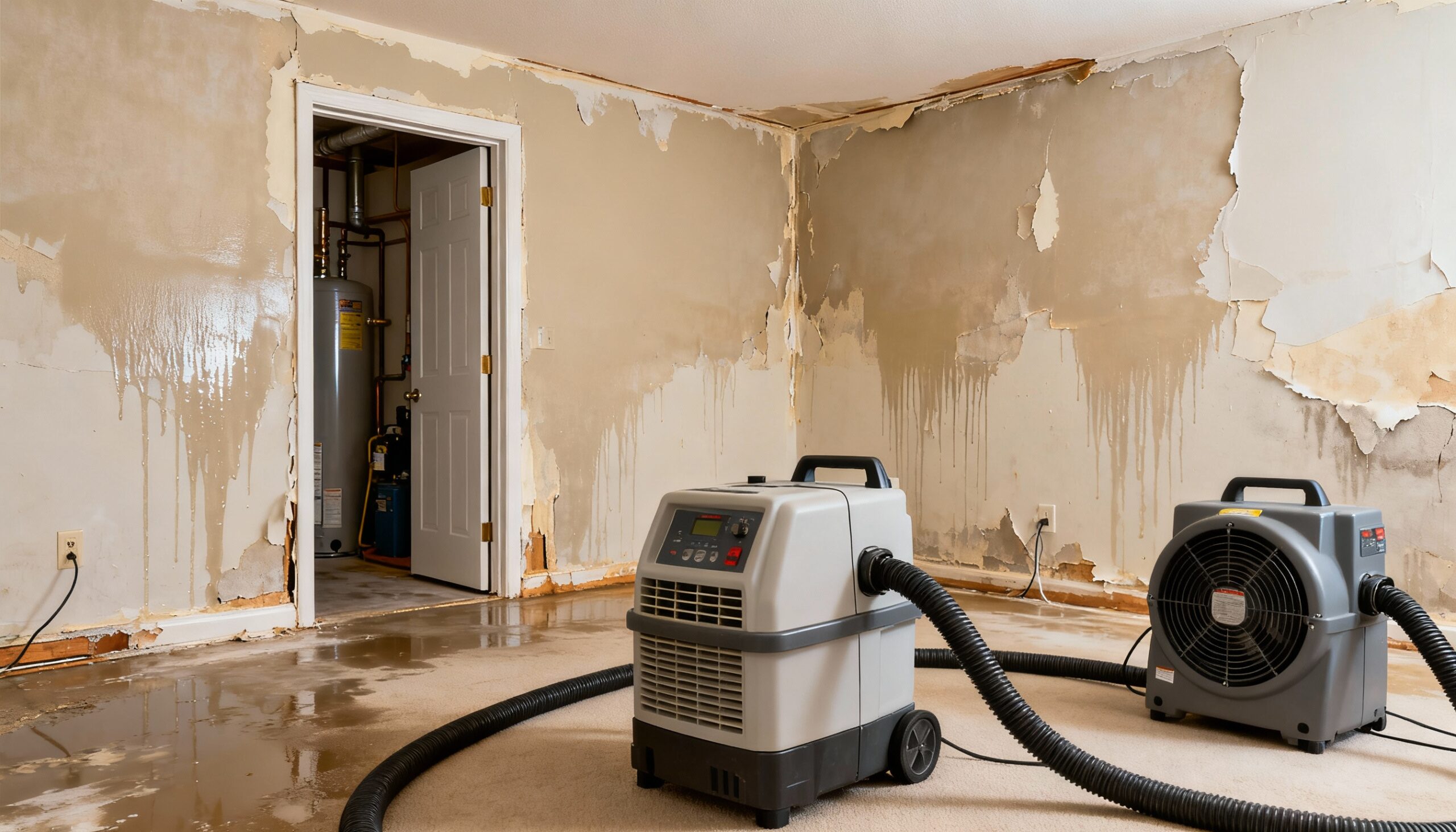
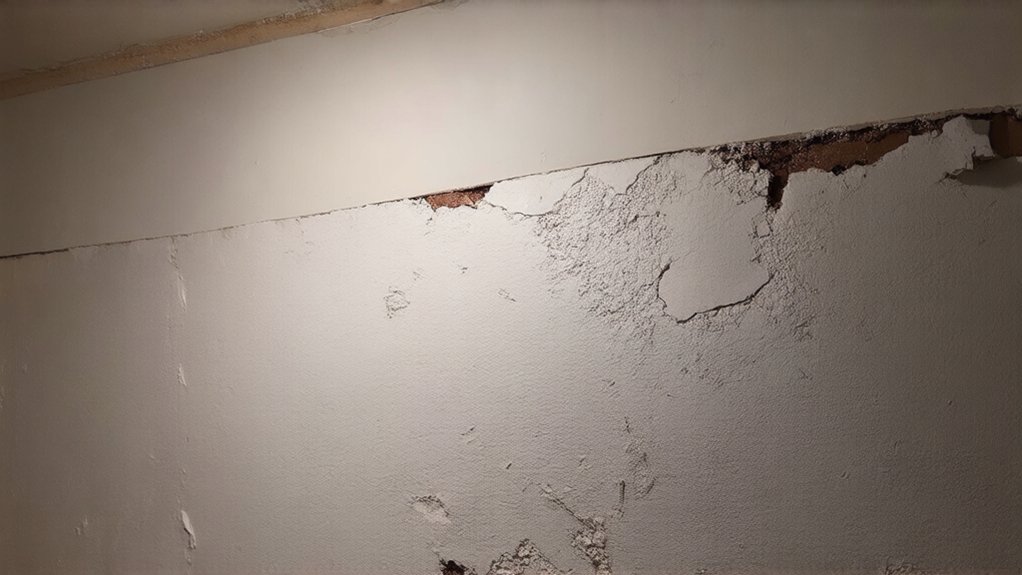
Water-damaged drywall poses a significant threat to a building's integrity. When exposed to water, drywall can degrade rapidly, leading to visible signs of damage, such as discoloration, softening, or complete disintegration. If left untreated, water damage can escalate into more severe issues, including:
- Mold growth: Water-damaged drywall provides an ideal environment for mold to thrive, posing health risks to occupants.
- Structural issues: Water damage can compromise the structural integrity of walls, ceilings, or floors, potentially causing them to collapse or shift.
- Expensive repairs: Neglecting water-damaged drywall can result in costly repairs, as water may infiltrate adjacent areas, causing widespread damage.
- Safety hazards: Unaddressed water damage can lead to electrical hazards, as water can reach electrical components, sparking fires or initiating short circuits.
Steps for Effective Drywall Water Damage Repair
While it's possible to perform drywall water damage repair yourself, it's crucial to exercise caution and follow the correct procedures to ensure a successful outcome.
Assessing the Damage
Before beginning the repair process, it's vital to assess the extent of the water damage. Inspect the affected area, looking for signs of warping, cracking, or discoloration. Measure the extent of the damage and identify any areas that require replacement or repair.
Removing Affected Drywall
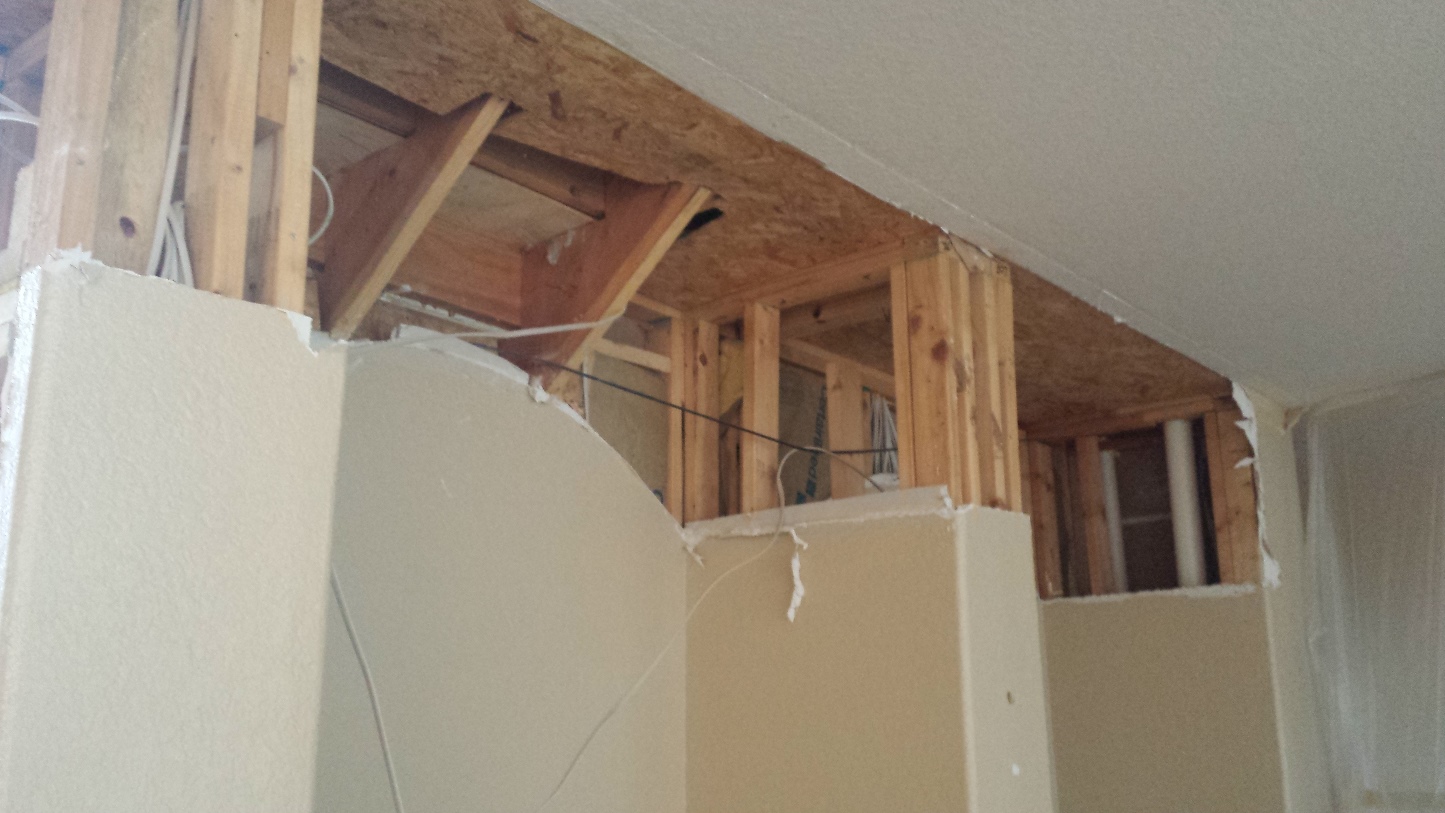
Once you've assessed the damage, it's time to remove the affected drywall. Use a utility knife or a drywall saw to carefully cut the damaged sections, taking care not to push the saw too deeply, which could create additional holes or damage adjacent areas.
Preparing the Area

After removing the damaged drywall, sanitize the area with a solution of bleach and water. Ensure all surfaces are clean and dry before commencing repairs.
Drywall Replacement and Repair
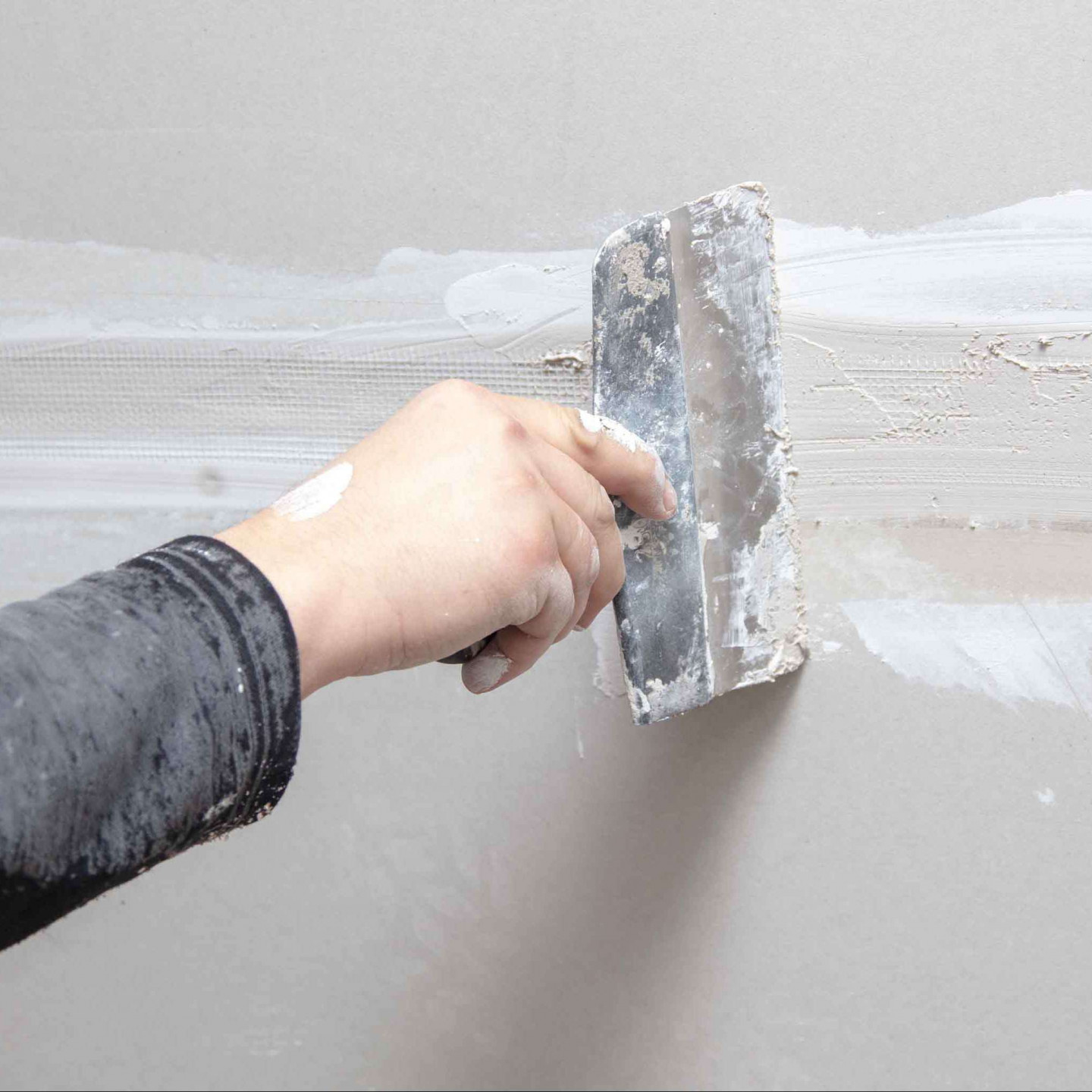
Replace any damaged drywall with new, moisture-resistant material. Apply joint compound to seams and edges to reinforce the repair. Use a putty knife to smooth out the compound, feathering it out to create a seamless transition.
Finishing Touches
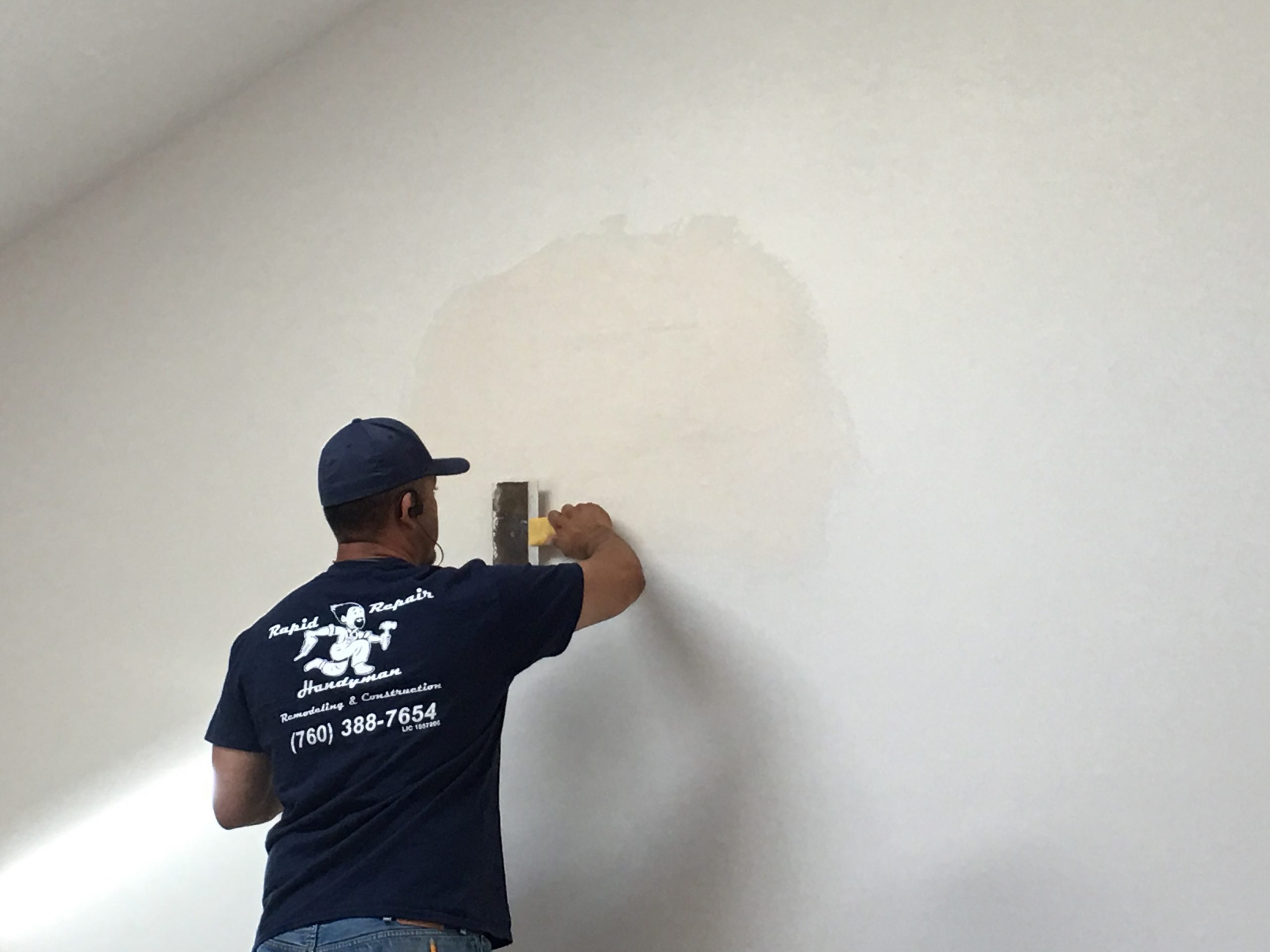
Apply a coat of joint compound to the repair area and allow it to dry. Sand the area smooth, feathering it out to match the surrounding drywall. Apply a coat of primer and paint to blend the repair with the surrounding area.
When to Call a Professional for Drywall Water Damage Repair
While DIY drywall water damage repair is possible, there are situations where it's best to seek the assistance of a professional. Consider seeking help if:
- The damage is extensive or widespread.
- Water has infiltrated electrical components or other areas with hazardous materials.
- There is a risk of mold or mildew growth.
- You're unsure about the proper techniques or materials to use.
- The repair requires specialized tools or expertise.
In such cases, it's better to err on the side of caution and hire a professional to address the water damage and restore your building to its original condition.
Conclusion
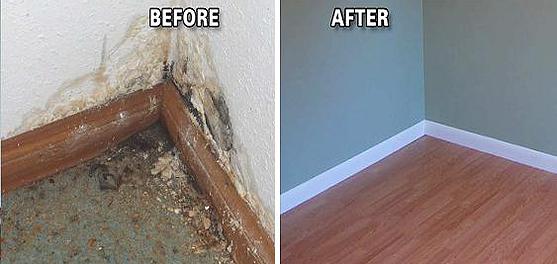
Drywall water damage repair is a critical process that requires prompt attention to prevent further damage and costs. By understanding the importance of swift action, following the proper techniques, and knowing when to call a professional, you can effectively repair and restore your drywall to its former glory. Remember, it's always better to be proactive and address water damage before it escalates into a larger issue.