Can I Feed My Dog Raw Meat?
Wondering if dogs can eat raw meat? Learn the benefits, risks, and safety tips for feeding raw meat to your dog in this complete guide.
Understanding Raw Meat Diets for Dogs
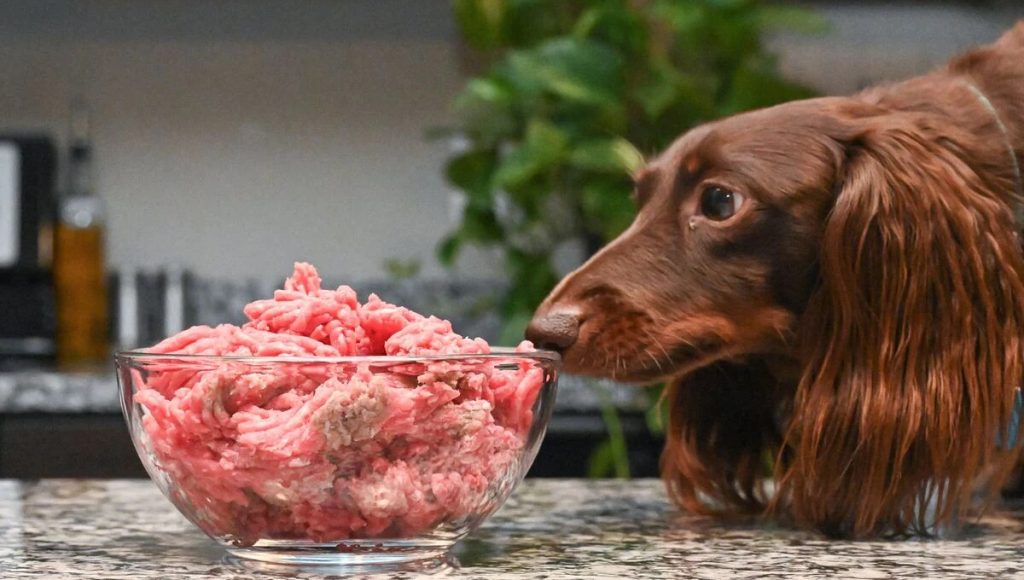
Raw meat diets for dogs are highly debated, with some enthusiasts claiming it's the most natural way to feed their furry friends. However, when it comes down to science, the question remains, "Candogs feed on raw meat?" The answer is complex and requires a balanced approach to ensure your dog's health and safety.
What's in a Raw Meat Diet?
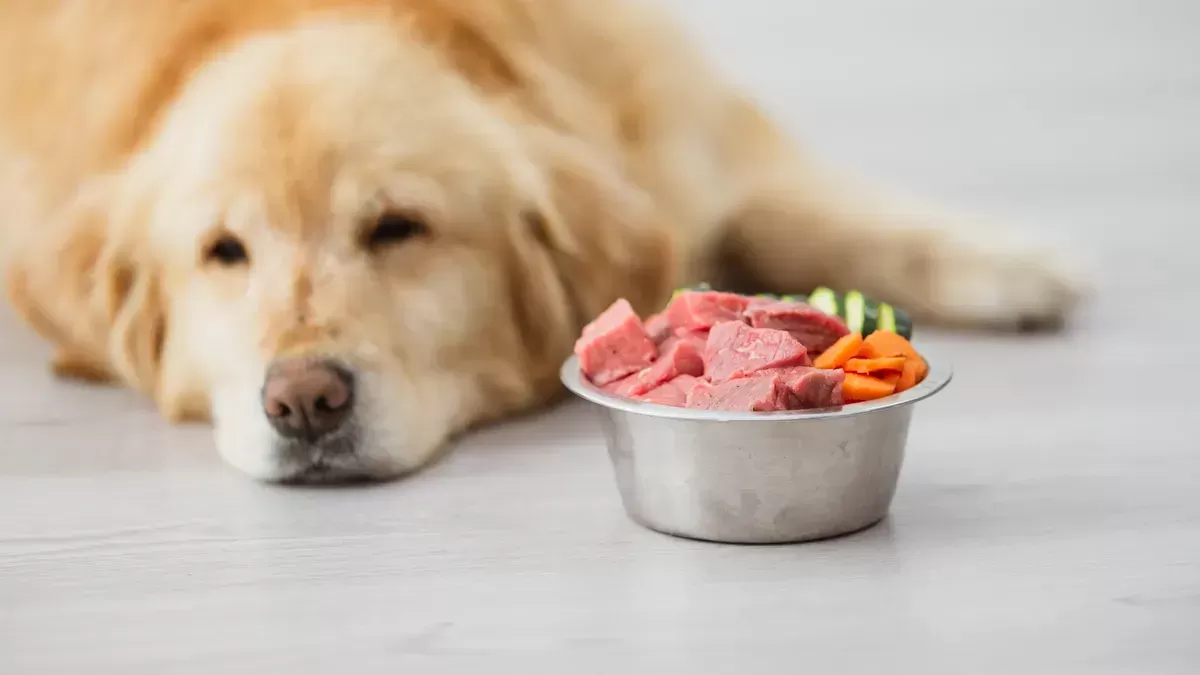
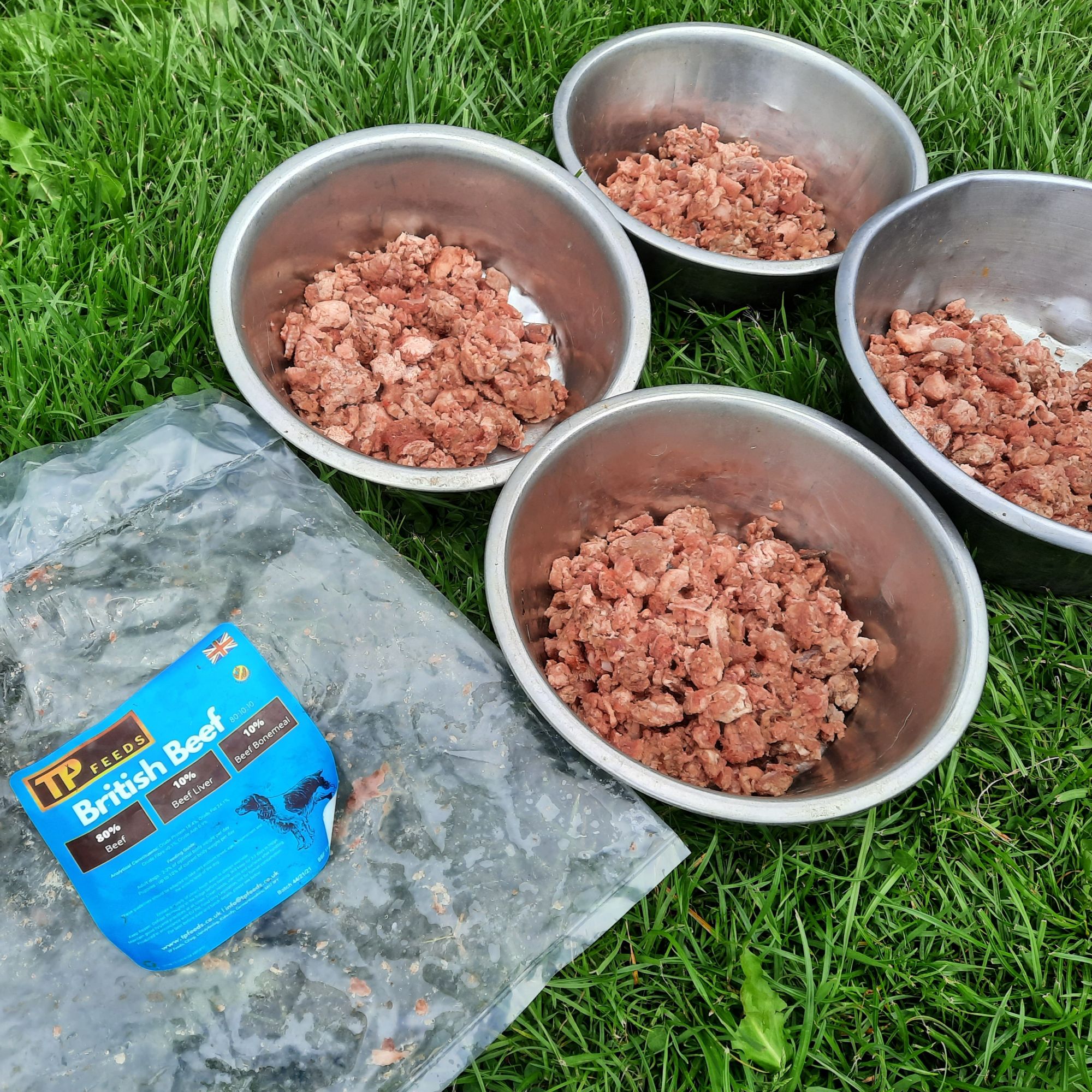
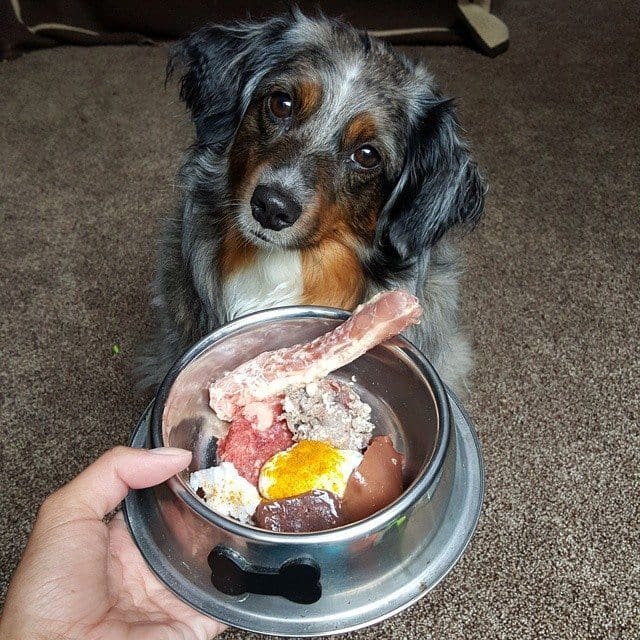
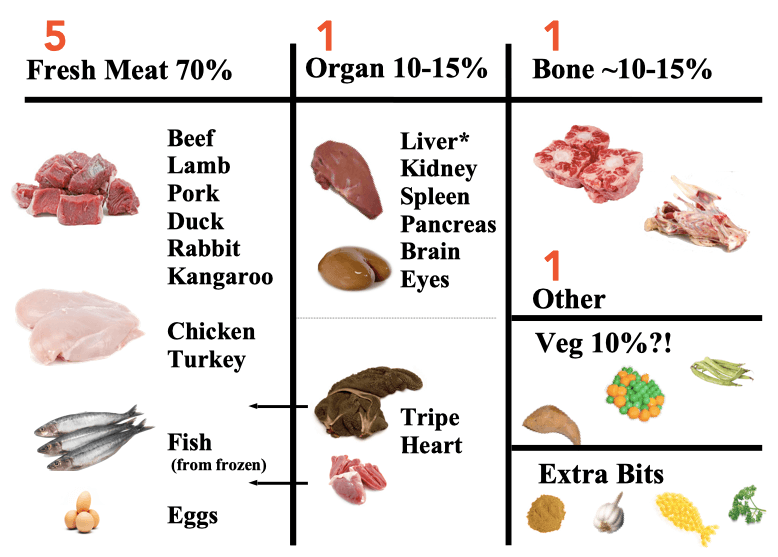
- Raw animal muscle meat: This is the primary component of a raw meat diet, including meat from beef, chicken, fish, and other sources.
- Organ meats: These provide essential nutrients, vitamins, and minerals, and must be included in a balanced diet.
- Bones: To prevent tooth decay and provide essential nutrients, bones should be included in a raw meat diet.
Benefits of Raw Meat Diets
Feeding your dog a raw meat diet has several benefits, including:
- Improved digestion: Raw meat is easier to digest than cooked meat, reducing the risk of digestive issues.
- Reduced inflammation: Raw meat diets have anti-inflammatory properties that may help alleviate skin problems and allergies.
- Natural nutrition: Raw meat is more natural and closer to what your dog would eat in the wild, providing essential nutrients.
Risks and Safety Concerns
However, there are significant risks and safety concerns associated with raw meat diets, including:

- Bacterial contamination: Raw meat can harbor Salmonella, E. coli, and other bacteria, posing a risk to your dog and family.
- Parasite infestations: Raw meat can contain parasites such as Trichinella, Toxoplasma, and Giardia, which can infect your dog.
- Nutritional deficiencies: Raw meat diets can be unbalanced and lack essential nutrients, leading to deficiencies and health problems.
Nutritional Balancing
One of the main myths surrounding raw meat diets is that they are unbalanced. However, with careful planning, you can create a balanced and complete diet using raw meat, along with other foods and supplements.
Preparation and Handling
When preparing raw meat for your dog, ensure you follow proper handling and preparation procedures to prevent contamination and foodborne illnesses:
- Choose fresh and high-quality meat: Select fresh, organic, and grass-fed meat to reduce the risk of bacterial contamination.
- Wash your hands and utensils: Clean and disinfect all equipment and wash your hands thoroughly to prevent bacterial cross-contamination.
- Store and handle safely: Store raw meat in the refrigerator at a temperature below 40°F and handle it safely to prevent bacterial growth and contamination.
Conclusion
While raw meat diets for dogs have their benefits and drawbacks, they should be approached with caution and careful planning. If you do decide to feed your dog a raw meat diet, ensure you provide a balanced and complete diet, with proper handling and preparation procedures to minimize the risks.
Final Thoughts
Before making any significant changes to your dog's diet, consult with your veterinarian to determine the best course of action for your dog's specific needs and health conditions.