Unraveling the Mystery of the Algorithmic Feed: A Comprehensive Guide
The algorithmic feed, powered by artificial intelligence and machine learning, has become a ubiquitous feature of modern social media platforms. These sophisticated systems analyze user behavior, preferences, and interactions to curate a personalized feed that prioritizes content deemed most relevant to the individual.
What is an Algorithmic Feed?
An algorithmic feed is a method of sorting and displaying content, such as posts, articles, or videos, on a social media platform or website based on a set of algorithms or rules. The goal of an algorithmic feed is to show users the most relevant content first, rather than displaying content in chronological order.
How Algorithmic Feeds Work
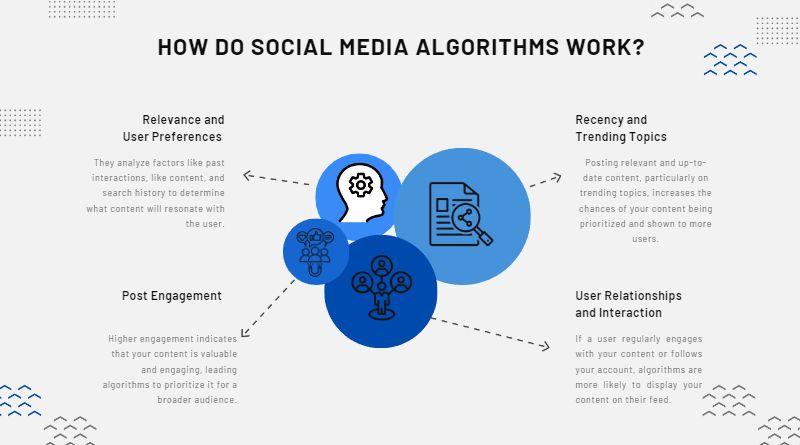
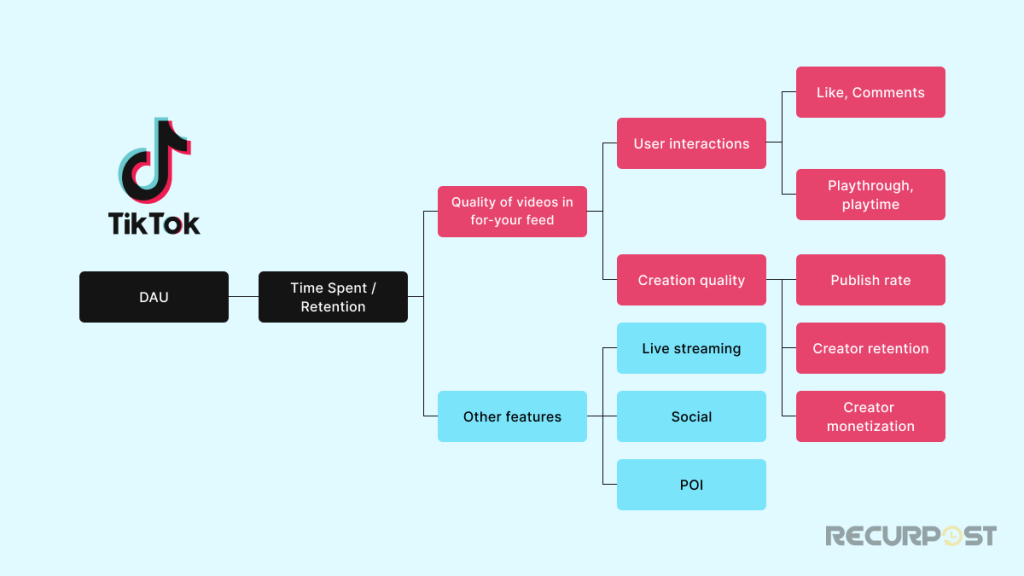
Algorithmic feeds use complex algorithms to analyze user behavior, preferences, and interactions to determine which content to display. These algorithms consider various factors, including:
- User behavior: How users interact with content, such as likes, comments, and shares.
- Content characteristics: The type of content, such as the type of post, image, or video.
- User preferences: Users' interests, hobbies, and demographics.
- Platform goals: The social media platform's objectives, such as increasing engagement or revenue.
The History of Algorithmic Feeds
Facebook, one of the pioneers of algorithmic feeds, introduced its News Feed algorithm in 2009. The algorithm selects and personalizes the content users see, ensuring that the right people create and consume the right content at the right time. Since then, other social media platforms, such as Instagram, Twitter, and LinkedIn, have followed suit, adopting algorithmic feeds to improve user experience and engagement.

The Impact of Algorithmic Feeds
Algorithmic feeds have significantly changed the way we consume information on social media platforms. They can:
- Amplify content: Algorithmic feeds can increase the visibility of high-quality, engaging content, making it more likely to go viral.
- Boost engagement: By showcasing relevant content, algorithmic feeds can encourage users to interact with the content, fostering a more engaging experience.
- Prioritize content: Algorithmic feeds ensure that users see the most relevant content first, reducing clutter and improving the overall user experience.
Challenges and Controversies
However, algorithmic feeds have also raised concerns and controversies, such as:
- Biased content: Algorithmic feeds can perpetuate biases and echo chambers, as users are more likely to interact with content that aligns with their views.
- Manipulation: The use of algorithmic feeds can be exploited by malicious actors to manipulate users and influence their behavior.
- Lack of transparency: Users often have limited visibility into the algorithms used, making it challenging to understand why certain content is displayed or hidden.
Conclusion
The algorithmic feed has revolutionized the way we interact with social media platforms. By offering a personalized experience, algorithmic feeds can greatly improve user engagement and content discovery. However, it is essential to acknowledge the potential biases and pitfalls associated with these systems and strive for transparency and accountability in the development and implementation of algorithmic feeds.