Social Media Security Threats: What You Need to Know
With over 4.2 billion people around the world using social media, these platforms have become an essential part of our daily lives. However, social media security threats are on the rise, and it's essential to understand what they are, how they work, and how you can protect yourself.
The Risks of Social Media
Many of us use social media for communication, marketing, and customer service, but these platforms also come with a range of risks, including hacking, phishing, malware, data breaches, and impersonation. Cybercriminals use popular social media platforms to spread malware, steal personal information, or even hijack accounts.
Examples of Social Media Threats
- Phishing attacks: Scammers use fake messages and emails to deceive users into performing specific actions, such as revealing sensitive information or downloading malware.
- Identity theft: Cybercriminals can steal personal information to impersonate users, leading to financial loss and damage to reputation.
- Online harassment: Users may experience threatening or intimidating behavior from others, which can lead to serious consequences, including emotional distress and even physical harm.
- Counterfeit goods: Scammers sell fake or counterfeit products, which can be detrimental to the original business and lead to financial loss.
- Misinformation: False information is spread through social media, which can lead to serious consequences, including damage to reputation and loss of trust.
Why Social Media is a Cybercrime Hotspot
Social media platforms are vulnerable to cyber attacks due to their vast user base and the ease of accessing information. Moreover, the fast-paced nature of social media makes it challenging to detect and respond to threats in real-time.

The Growing Threat of Social Media Security Threats
According to reports, social media security threats are increasing at an alarming rate, with many organizations and individuals affected. The rapid rise of disinformation on social media is reshaping the integrity of elections, with false narratives spreading faster and wider than ever before.
How to Protect Yourself from Social Media Security Threats
While social media security threats are on the rise, there are steps you can take to protect yourself:
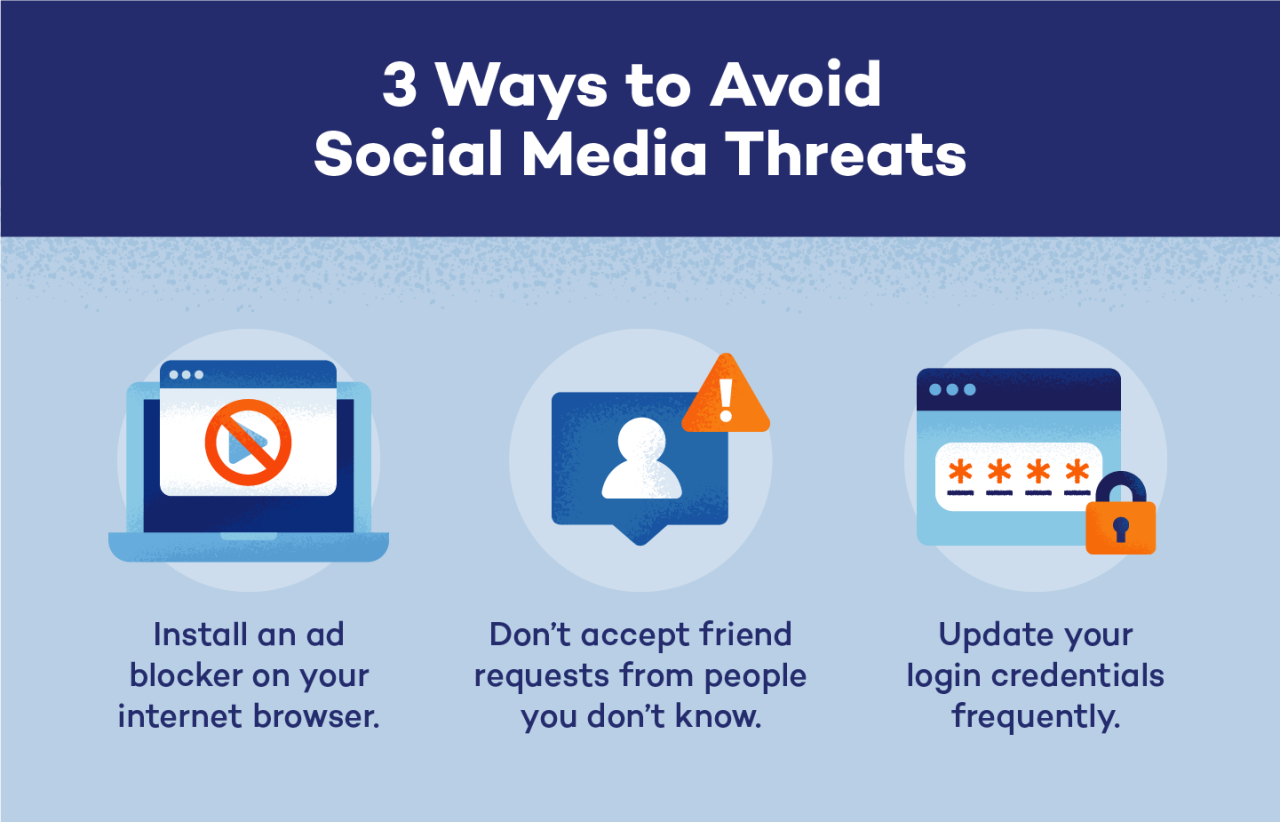
- Be cautious with links and attachments: Avoid clicking on suspicious links or downloading attachments from unknown sources.
- Use strong passwords: Use unique and complex passwords for all accounts, and change them regularly.
- Enable two-factor authentication: Add an extra layer of security to your accounts by enabling two-factor authentication.
- Monitor your accounts: Regularly check your account activity and report any suspicious behavior.
- Keep software up-to-date: Ensure that all software, including social media apps, is up-to-date to prevent vulnerabilities.
Conclusion
Social media security threats are a growing concern, and it's essential to understand the risks and take steps to protect yourself. By being cautious with links and attachments, using strong passwords, enabling two-factor authentication, monitoring your accounts, and keeping software up-to-date, you can reduce the risk of falling victim to social media security threats.


%20(3).webp "Social Media Security: Threats and Best Practices for Businesses")