The Phantom Feeling of Ringing: A Common but Misunderstood Phenomenon
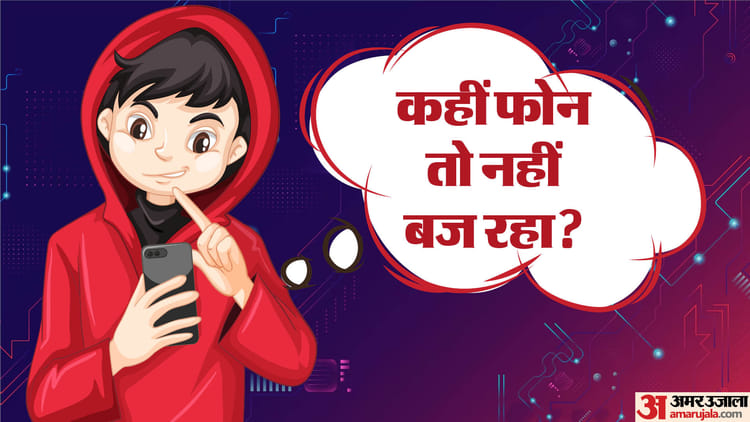
Have you ever felt like your phone is ringing or vibrating when it's not? You're not alone. This phenomenon is known as phantom vibration syndrome, and it's more common than you think.
What is Phantom Vibration Syndrome?
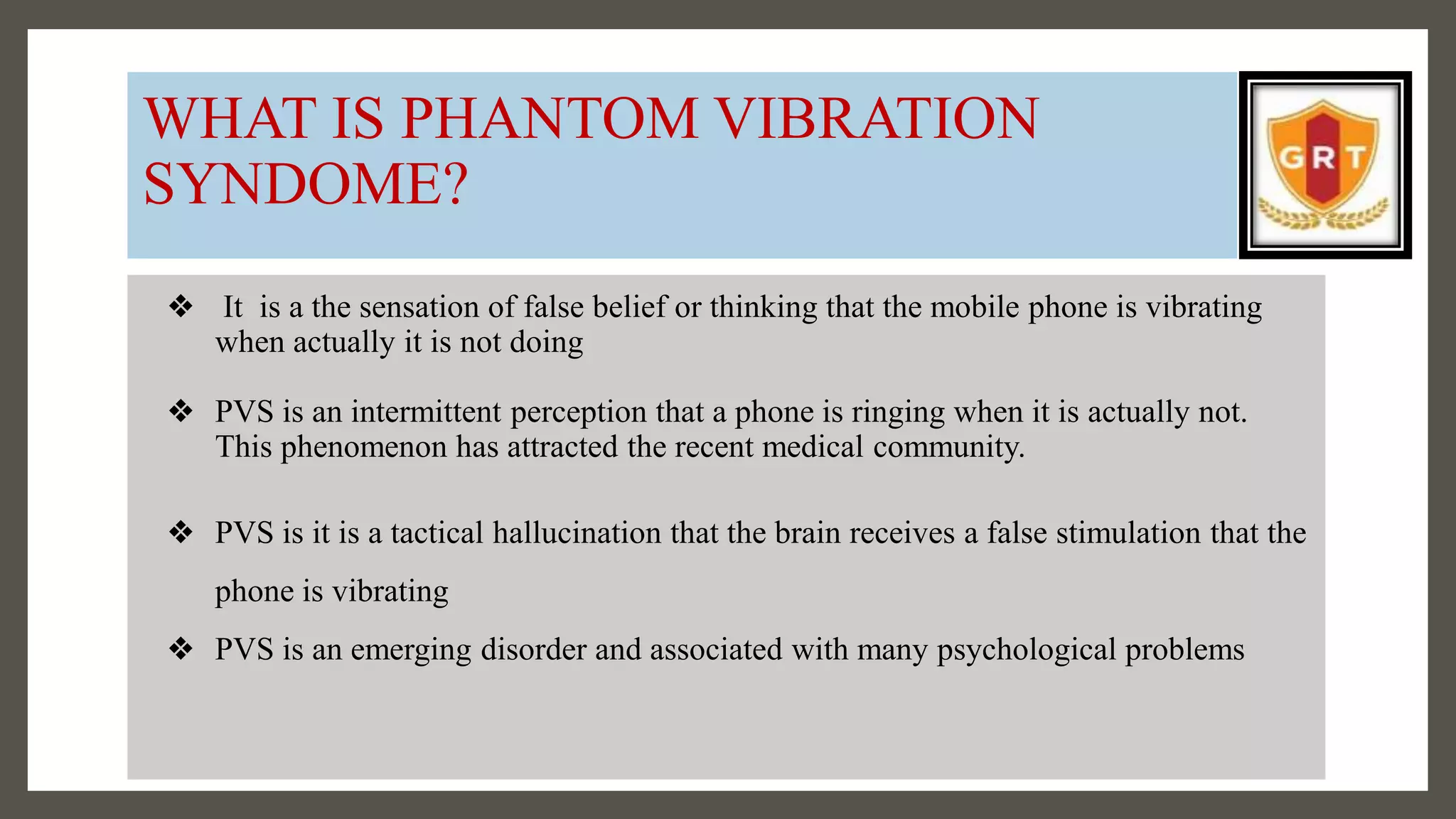
Phantom vibration syndrome, also known as phantom ringing syndrome or ringxiety, is a condition where individuals perceive their phone as vibrating or ringing when it is not. This can be a distressing and annoying sensation, especially for those who rely heavily on their phones.
Causes of Phantom Vibration Syndrome
There are several reasons why people experience phantom vibration syndrome. Some of the possible causes include:
- Stress and anxiety: Stress and anxiety can make people more prone to experiencing phantom vibrations.
- Noise exposure: Exposure to loud noises, such as music or machinery, can cause phantom vibrations.
- Breaks in cognitive flow: When people are preoccupied with complex tasks, they may experience breaks in cognitive flow, leading to phantom vibrations.
- Mental health conditions: Certain mental health conditions, such as anxiety disorders, can contribute to phantom vibrations.
- Physical causes: Some physical conditions, such as tinnitus (a condition characterized by ringing or other sounds in the ears), can also contribute to phantom vibrations.
Symptoms of Phantom Vibration Syndrome
The symptoms of phantom vibration syndrome can vary from person to person. Some common symptoms include:
- Feeling of vibration or ringing in the absence of any external stimulus
- Intensity of the sensation can vary from a gentle buzzing to a strong vibration
- Duration of the sensation can range from short episodes to prolonged periods
- Frequency of the sensation can occur at any time, but often during periods of high stress or anxiety
Why Do People Experience Phantom Vibration Syndrome?

There are several reasons why people experience phantom vibration syndrome. One reason is that our brains are wired to respond to sensory stimuli, including vibrations and sounds. When we're not exposed to these stimuli, our brains can create the sensation of vibration or ringing. This is because our brains are constantly processing information, and sometimes, they can create illusions based on our expectations and past experiences.
Another reason is that our brains are constantly anticipating potential stimuli. We're always on the lookout for potential threats or signals, and when we don't get the expected stimulus, our brains can create a false signal. This is known as a "false alarm," and it can be triggered by a variety of factors, including stress, anxiety, and fatigue.
How to Manage Phantom Vibration Syndrome
If you're experiencing phantom vibration syndrome, there are several strategies you can use to manage the sensation:
- Take regular breaks: Take regular breaks from technology and engage in activities that promote relaxation and stress reduction.
- Practice mindfulness: Practice mindfulness techniques, such as meditation and deep breathing, to help you stay present and focused.
- Manage stress: Manage stress and anxiety through exercise, therapy, and other stress-reducing activities.
- Distract yourself: Engage in activities that distract you from the sensation, such as reading, listening to music, or talking to a friend.
- Use white noise: Use white noise machines or apps to create a constant background noise that can help mask the sensation of vibration or ringing.
Conclusion
Phantom vibration syndrome is a common phenomenon that affects many people. It's essential to understand the causes and symptoms of this condition to effectively manage the sensation. By taking regular breaks, practicing mindfulness, managing stress, distracting yourself, and using white noise, you can reduce the frequency and intensity of phantom vibration syndrome.
Final Thoughts
Phantom vibration syndrome is a complex phenomenon that can affect anyone. It's crucial to be aware of the potential causes and symptoms and to seek help if the sensation persists. By being proactive and taking steps to manage the condition, you can reduce your anxiety and stress and improve your overall well-being.