Overcoming Information Overload in the Workplace
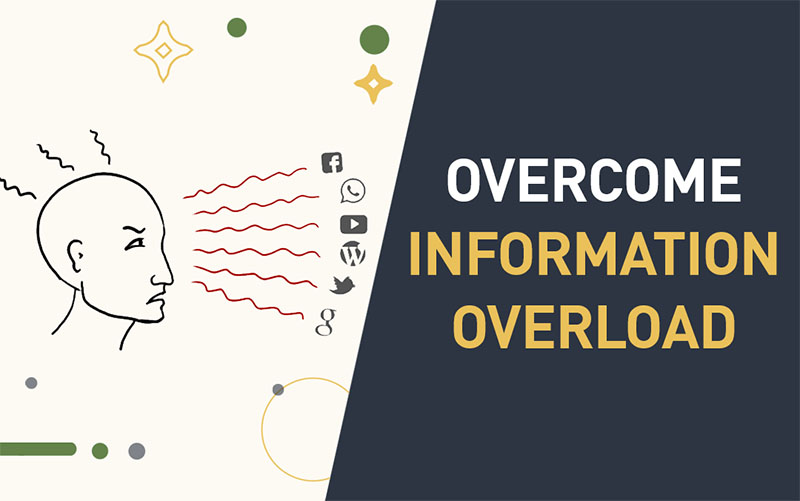
Information overload is a common issue that affects many workplaces, causing employees to feel overwhelmed, stressed, and disengaged. The constant influx of digital information, coupled with the increasing use of information and communication technologies, has created an information overload epidemic. The good news is that there are strategies to help your organization overcome information overload and thrive in the modern workplace.
Causes of Information Overload
Information overload occurs when the volume, frequency, and/or complexity of information exceeds an individual's processing capacity. Some of the primary causes of information overload include:
- Constant digital notifications and messages
- Excessive email and report-watching
- Too many meetings and conference calls
- Information overload can also be caused by the ever-growing amount of digital information available
- Modern technology, in particular, communication tools like instant messaging apps, social media, and email contribute to information overload
- Availability bias, which makes employees check their email and messaging platforms outside of work hours, further exacerbates the issue
- As a result, employees are struggling to stay on top of the constant flow of information and are experiencing anxiety, decreased productivity, and reduced job satisfaction
Effects of Information Overload
The consequences of information overload can be severe and wide-ranging, affecting employees' mental and physical health, productivity, and job performance. Here are some of the effects of information overload:

- Reduced productivity and efficiency
- Decreased job satisfaction and engagement
- Increased stress and anxiety levels
- Anxiety can even affect physical health, leading to burnout, headaches, and eye strain
Strategies for Overcoming Information Overload
Fortunately, there are several strategies that your organization can implement to reduce information overload and promote a healthier work environment. Here are some effective strategies:
- Set boundaries around communication: Limit the number of email and report-watchers, implement a no-meeting-day policy, and designate specific times for checking messages and emails.
- Use technology to filter and prioritize information: Utilize tools like Slack, email filtering, and prioritization tools to reduce the noise and focus on relevant information.
- Improve workflow processes and workflows: Regularly review and streamline business processes to eliminate unnecessary tasks and minimize the volume of information required.
- Complement top-down and bottom-up approaches to information management: Leadership should communicate priorities clearly, while employees can contribute ideas and feedback to shape their work.
- Establish focus sessions and Meditate: Regularly schedule time for employees to focus on high-priority tasks without distractions, and encourage meditation and mindfulness practices to maintain individual mental well-being.
- Develop a healthy phone and email etiquette: Limit phone calls and emails to scheduled times, and avoid multitasking.
Conclusion
Overcoming information overload in the workplace is crucial for maintaining employee well-being, productivity, and job satisfaction. By recognizing the causes and effects of information overload, and implementing effective strategies, your organization can reduce the impact of this epidemic. It's time to reclaim the future of work and establish a healthier work environment.