Online Safety Tips for Computers: Protecting Your Digital Life
As the internet has become an integral part of our daily lives, it's crucial to prioritize online safety. With the rise of cyber threats and data breaches, it's essential to take proactive steps to protect your computer, personal information, and online identity. In this article, we'll share 15 online safety tips for computers to help you stay safe and secure online.1. Use Strong and Unique Passwords
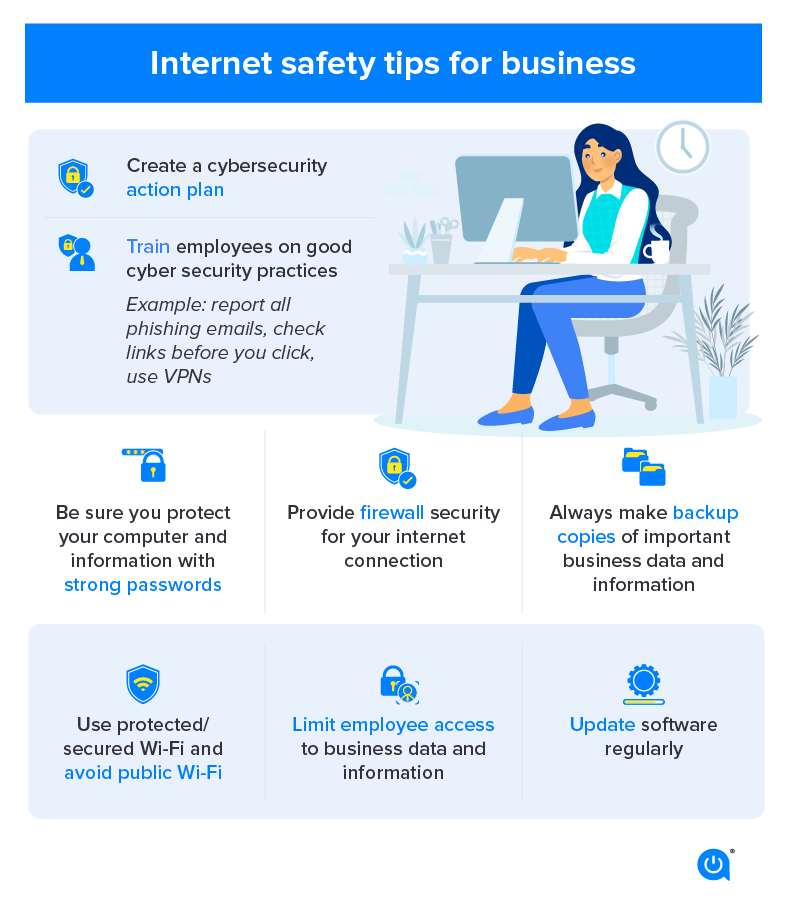
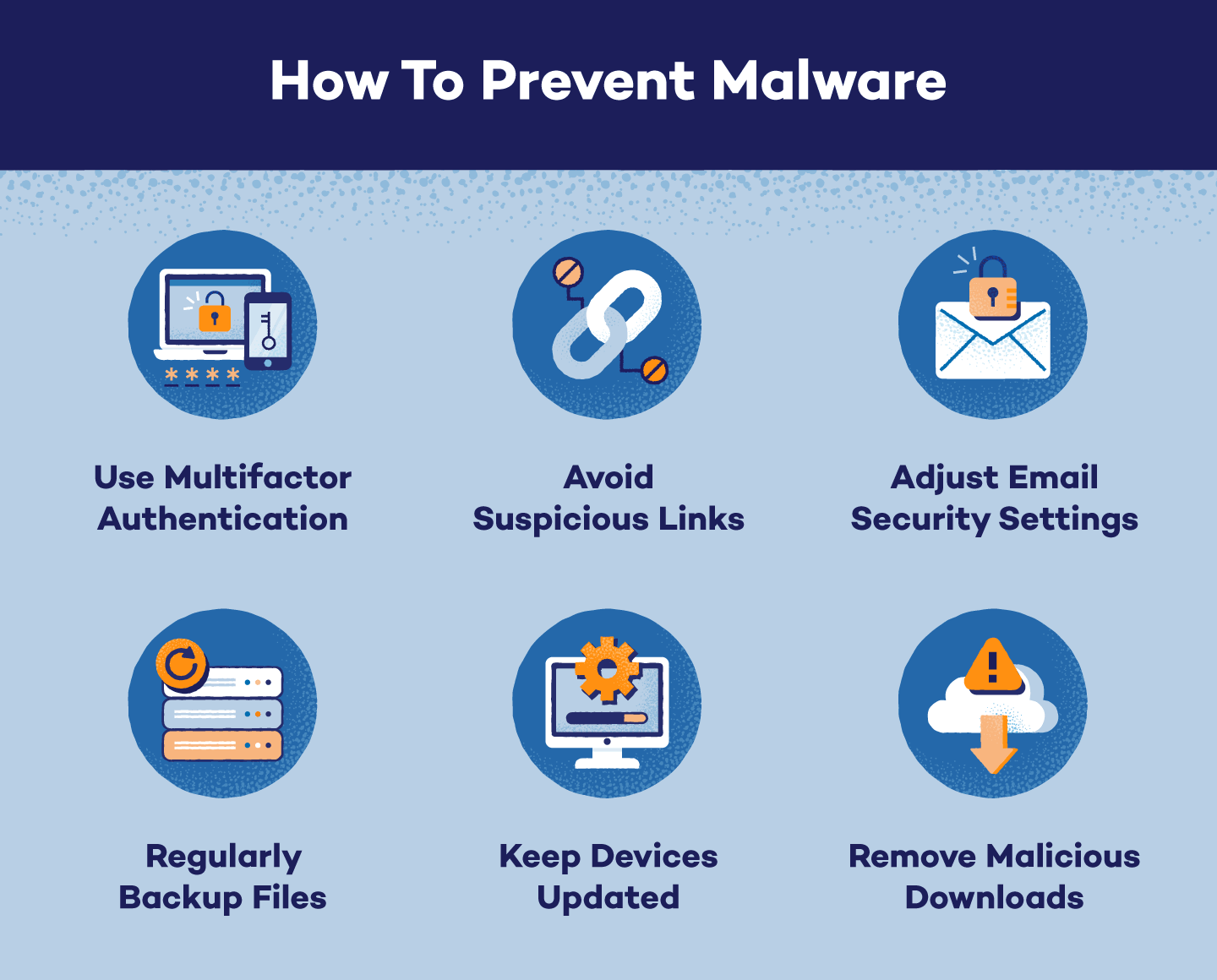
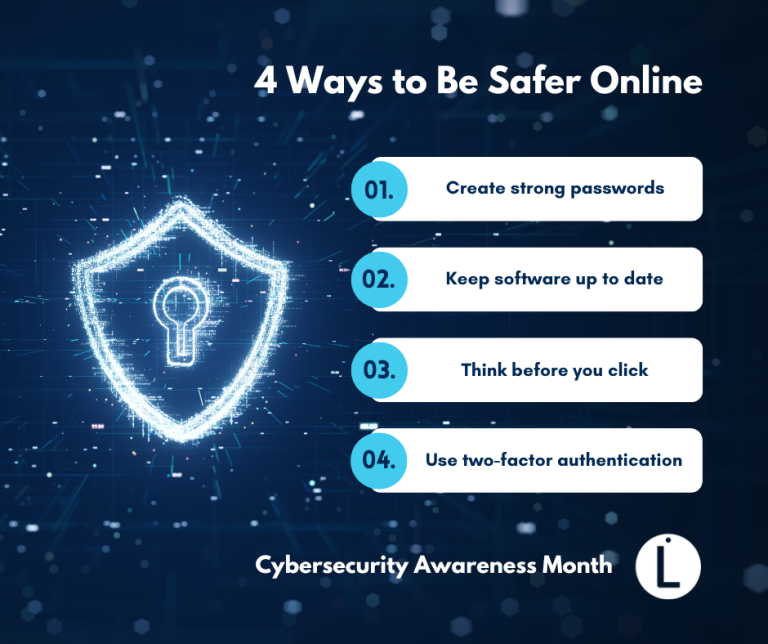
A strong password is the first line of defense against cyber threats. Use a combination of uppercase and lowercase letters, numbers, and special characters to create a unique password for each account. Avoid using easily guessable information such as your name, birthdate, or common words.2. Keep Your Computer and Software Up-to-Date
Regularly update your operating system, browser, and other software to ensure you have the latest security patches and features. This will help protect your computer from known vulnerabilities and prevent malware infections.3. Be Cautious with Email and Attachments
Be wary of suspicious emails and attachments, especially from unknown senders. Avoid opening attachments from unfamiliar sources, and never click on links from unsolicited emails. Use antivirus software to scan emails and attachments for malware.4. Use Two-Factor Authentication (2FA)
Enable 2FA on all accounts that offer it, including email, social media, and banking accounts. This adds an extra layer of security, making it more difficult for hackers to access your accounts.5. Use a VPN (Virtual Private Network)
A VPN encrypts your internet traffic, making it more difficult for hackers to intercept your data. Use a reputable VPN service to protect your online activities, especially when using public Wi-Fi networks.6. Monitor Your Accounts and Credit Reports
Regularly check your bank and credit card statements for suspicious activity. Also, monitor your credit reports for any unauthorized changes or inquiries.7. Avoid Public Wi-Fi for Sensitive Activities
Public Wi-Fi networks are often unsecured, making it easy for hackers to intercept your data. Avoid using public Wi-Fi for sensitive activities such as online banking, shopping, or accessing personal information.8. Use a Firewall and Antivirus Software