Mastering Line Art Techniques for Beginners
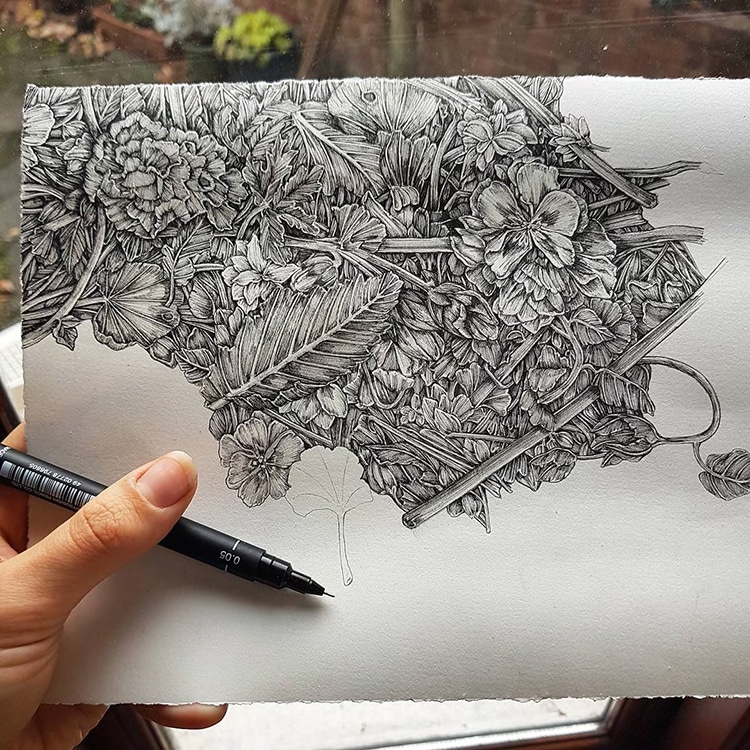
Learning line art techniques can be a great way to improve your artistic skills and unlock a world of creative possibilities. As a beginner, it's essential to start with the basics and build your way up to more complex styles and techniques. In this article, we'll explore the fundamental techniques you need to know to get started with line art.
The Basics of Line Art
Line art is a fundamental aspect of drawing and illustration, and it's a skill that can be developed with practice and patience. To get started with line art, you'll need a few basic supplies, including a pencil or pen, paper, and a comfortable drawing surface. You can use a variety of tools, including markers, brushes, or even your fingers, to create different line styles and textures.
Basic Line Art Techniques for Beginners
Here are some basic line art techniques that are perfect for beginners:
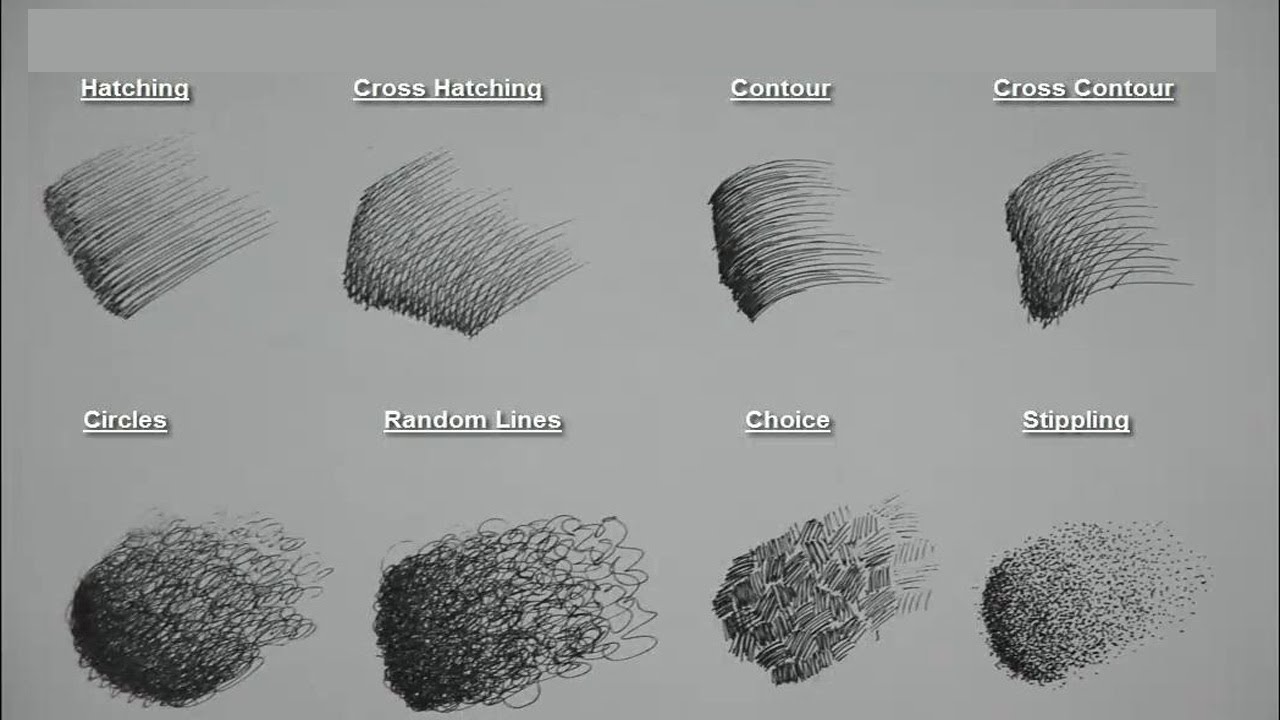
- Contouring**: This involves drawing the outline of an object or subject using a continuous line. Contouring is a great way to practice basic drawing skills and can be used to create detailed illustrations.
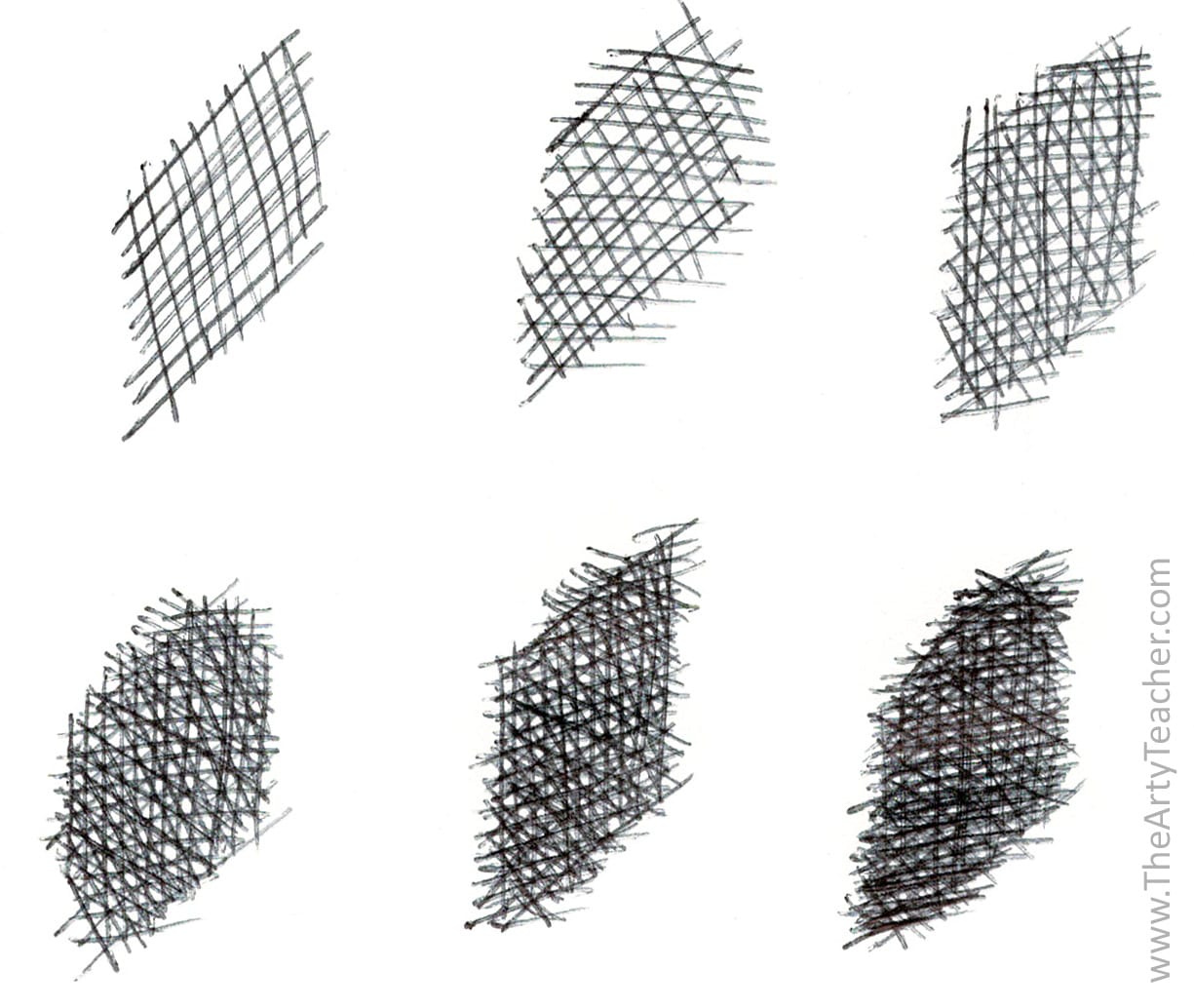
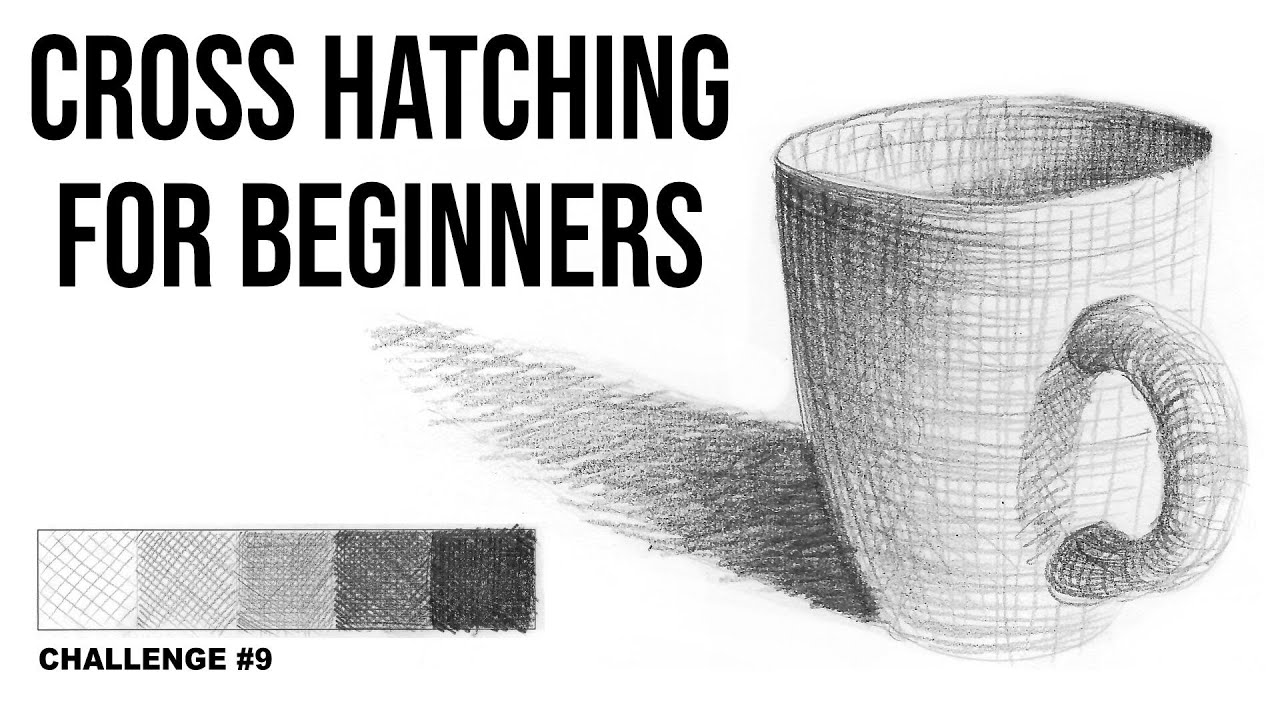
- Cross-hatching**: This technique involves creating a series of lines that intersect to create a textured, layered effect. Cross-hatching can be used to add depth and dimension to your line art.
- Hatching**: Similar to cross-hatching, hatching involves creating a series of lines that follow a specific direction to create a smooth, shaded effect.
- Lineweight**: This refers to the thickness and variation of lines in your artwork. Varying lineweight can add depth and interest to your line art.
- Looping**: This technique involves drawing a continuous line that loops around an object or subject. Looping can be used to create intricate details and textures.
- Stippling**: This technique involves creating a pattern of small dots to create a larger image. Stippling can be used to create detailed, high-contrast images.
Practice Makes Perfect

As with any skill, practice is key when it comes to mastering line art techniques. Start by practicing simple exercises, such as drawing basic shapes and lines, and gradually move on to more complex subjects and techniques. Don't be afraid to experiment and try new things – it's all part of the learning process.
Tips and Tricks for Beginners
Here are some additional tips and tricks to help you get started with line art:
- Use a variety of tools**: Experiment with different drawing tools, such as pens, pencils, and markers, to find what works best for you.
- Pay attention to line quality**: Focus on creating smooth, consistent lines that vary in thickness and direction to add depth and interest to your artwork.
- Practice, practice, practice**: The more you practice, the better you'll become at drawing and the more comfortable you'll feel with different line art techniques.
- Don't be afraid to make mistakes**: Making mistakes is all part of the learning process, and it's often the best way to learn and improve.
- Seek out inspiration**: Look to other artists, both traditional and digital, for inspiration and ideas to help spark your creativity.
Conclusion
Line art is a fun and rewarding skill to learn, and with practice and patience, you can master a range of techniques to add depth and interest to your artwork. Remember to start with the basics, practice regularly, and don't be afraid to experiment and try new things. With these line art techniques for beginners, you'll be well on your way to creating amazing artwork that showcases your unique style and creativity.