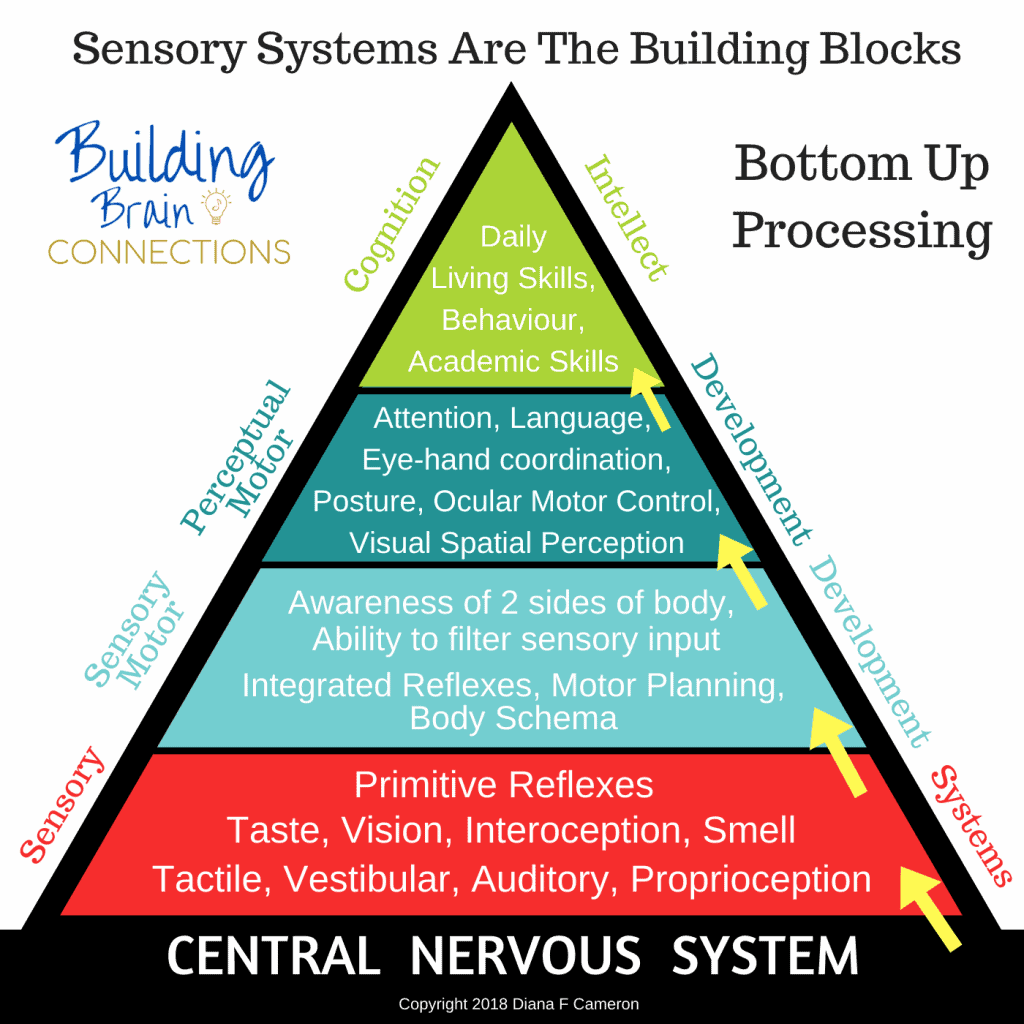
Improving Attention Span through Sensory Integration
Sensory integration, a crucial aspect of child development, plays a significant role in facilitating the processing of sensory information. This essential process enables cognitive, social, and emotional growth, ultimately enhancing a child's ability to adapt to various sensory inputs. Improved sensory integration supports mental functions, including attention, memory, and problem-solving skills, which are vital for academic success and daily functioning.
What is Sensory Integration?
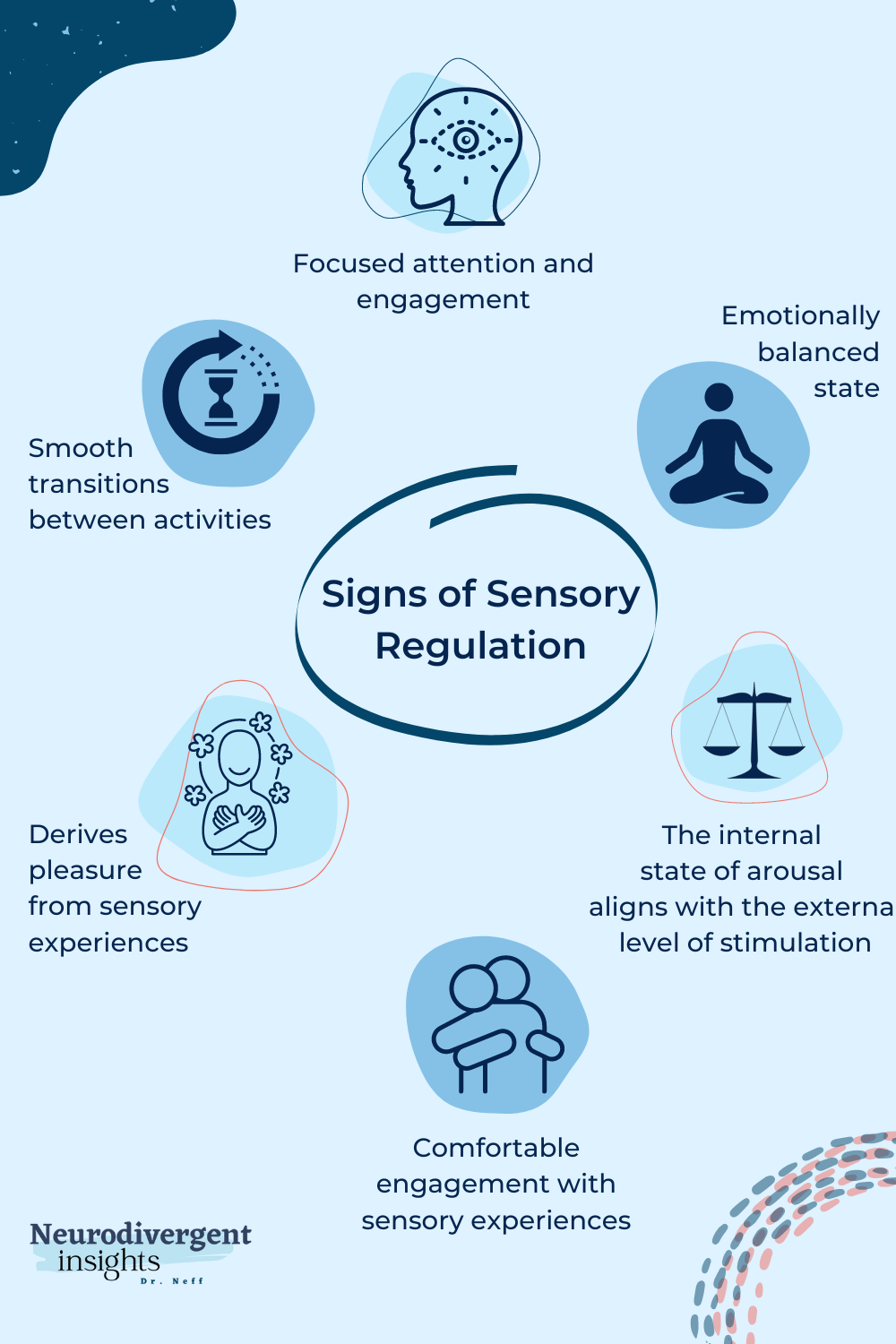
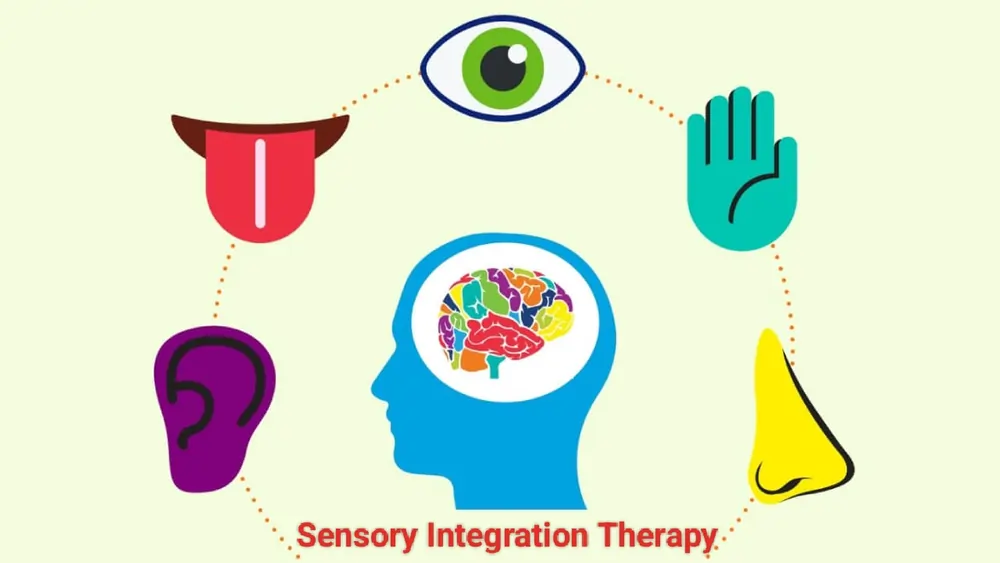
Sensory integration refers to the process by which the brain organizes and interprets sensory information from the environment. This integration helps children develop the ability to filter out irrelevant sensory inputs, focus on relevant information, and respond appropriately to their surroundings. Children with sensory processing challenges often struggle to integrate sensory information, leading to difficulties with attention, regulation, and behavior.
The Importance of Sensory Integration in Improving Attention Span
Research has shown that sensory integration therapy can be an effective intervention for improving attention span in children with developmental delays, autism spectrum disorders, and attention deficit hyperactivity disorder (ADHD). By targeting sensory integration, occupational therapists can help children develop the necessary skills to focus, regulate their emotions, and participate in daily activities.
Strategies for Improving Attention Span through Sensory Integration
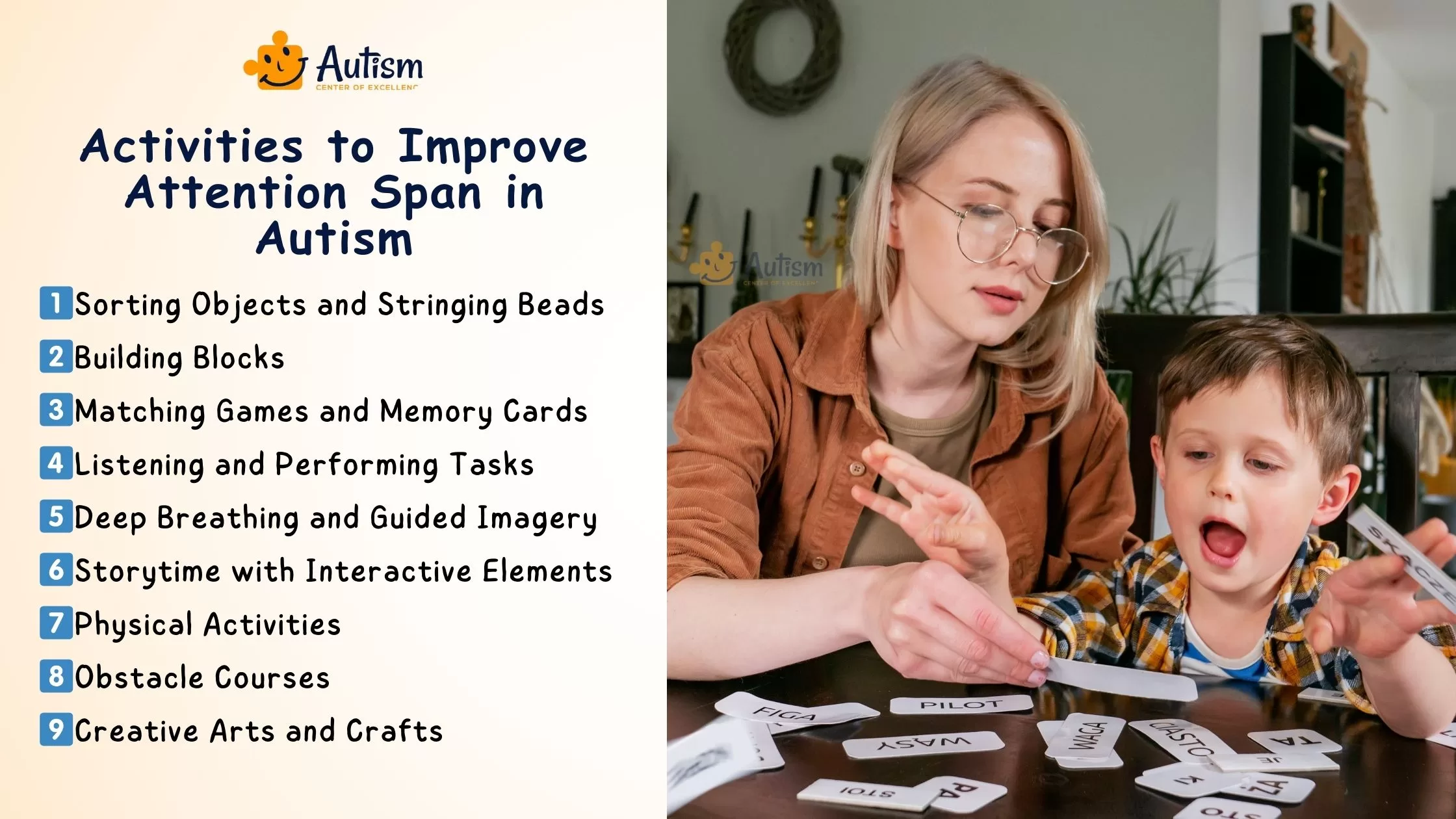
- Sensory-Based Activities: Engage children in activities that stimulate multiple senses, such as sensory bin exploration, glow-in-the-dark play, or swimming. These activities help children develop their ability to focus and attend to relevant sensory inputs.
- Sensory Integration Techniques: Occupational therapists use sensory integration techniques, such as deep pressure, joint compression, and swinging, to provide controlled sensory input and enhance sensory awareness.
- Environmental Modifications: Modify the environment to provide a conducive setting for sensory integration, such as using sensory-friendly materials, reducing noise levels, and creating a calm atmosphere.
- Caregiver-Focused Sensory Interventions: Educate caregivers on how to provide sensory-friendly environments and activities that support sensory integration, helping children develop attention and regulation skills.
The Impact of Sensory Integration on Attention Span
Studies have demonstrated the positive effect of sensory integration on attention span in children with left infantile hemiplegia (IH) and those with autism spectrum disorder. Sensory integration training showed a significant difference between the experimental and control groups on attention span, highlighting its effectiveness in improving attentional abilities.
Implementing Sensory Integration Strategies in the Classroom

Occupational therapists play a crucial role in supporting students with sensory processing challenges in educational settings. By incorporating sensory integration strategies into the classroom, teachers can help students develop attention skills, improve focus, and reduce stress and sensory overload. Multisensory environments, for example, can provide students with a sense of control over their surroundings, increasing their attention span and engagement.
Conclusion
Improving attention span through sensory integration is a crucial aspect of supporting children with developmental delays, autism spectrum disorder, and attention deficit hyperactivity disorder. By incorporating sensory-based activities, sensory integration techniques, environmental modifications, and caregiver-focused interventions, occupational therapists can help children develop the necessary skills to focus, regulate their emotions, and participate in daily activities. By understanding the importance of sensory integration in attention span, educators and caregivers can provide tailored support to help children achieve academic success and daily functioning skills.
References:
Unwin, G. M., Reed, P., & Pinard, A. (2021). The effects of multisensory environments on attention and behavior in children with autism spectrum disorder. Journal of Autism and Developmental Disorders, 51(10), 3731–3743.
Abstract and Figures:
The study aimed to explore the effects of sensory integration on attention span among children with infantile hemiplegia (IH). The results showed a positive effect of sensory integration on attention span in children with left IH, highlighting its effectiveness in improving attentional abilities.
Disclaimer:
The information provided in this article is for general informational purposes only. It should not be considered as professional advice or a substitute for professional consultation with an occupational therapist or other qualified healthcare professionals. If you or your child is experiencing difficulties with attention or sensory processing, consult with a qualified professional for personalized guidance and support.