The Dark Side of FOMO: How Fear of Missing Out Affects Employee Engagement
Fear of Missing Out (FOMO) is a pervasive phenomenon that affects millions of people worldwide, including employees in the modern workforce. Also known as Foist FOMO, this psychological construct refers to the anxiety or apprehension caused by the fear of not being part of a particular event, activity, or experience that others are experiencing.
What is FOMO and its Impact on Employee Engagement?
While FOMO has long been associated with digital culture and social media, its impact goes far beyond a simple meme or viral video. In the workplace, FOMO can shape identity, influence behavior, and fuel anxiety, all of which can have a devastating impact on employee engagement.
Why FOMO Affects Employee Engagement
Research suggests that FOMO can lead to decreased productivity, increased stress levels, and a higher likelihood of burnout among employees. When employees feel like they're missing out on important events or experiences, they can become distracted, anxious, and disengaged from their work. This, in turn, can negatively impact not only their job performance but also their overall well-being.
- Distraction and distraction-reduction strategies: FOMO can cause employees to constantly check their phones or log in to their social media accounts, leading to decreased productivity and increased distractions.
- Anxiety and stress: The constant feeling of missing out can trigger feelings of anxiety and stress, which can negatively impact employee mental health and well-being.
- Burnout: FOMO can lead to burnout, as employees feel overwhelmed by the pressure to stay connected and keep up with the latest developments.
Measuring the Impact of FOMO on Employee Engagement

While there is still limited research on the topic of FOMO in the workplace, studies have shown that FOMO can have a significant negative impact on employee engagement. A study published in March 2025 found that fear of missing out on social media had a significant negative impact on employee work engagement. Another study published in January 2025 found that FOMO mediated the relationship between constant social updating (CSU) in remote work and work engagement.
Managing FOMO in the Workplace
So, how can organizations manage FOMO in the workplace and promote employee engagement? Here are a few strategies:
- Implement social media policies: Establish clear guidelines for social media use in the workplace to prevent employees from feeling the need to constantly check their social media accounts.
- Encourage work-life balance: Encourage employees to disconnect from work-related tasks during non-work hours and engage in activities that promote relaxation and well-being.
- Provide opportunities for growth and development: Offer training and development opportunities to help employees feel engaged and motivated in their work.
Conclusion
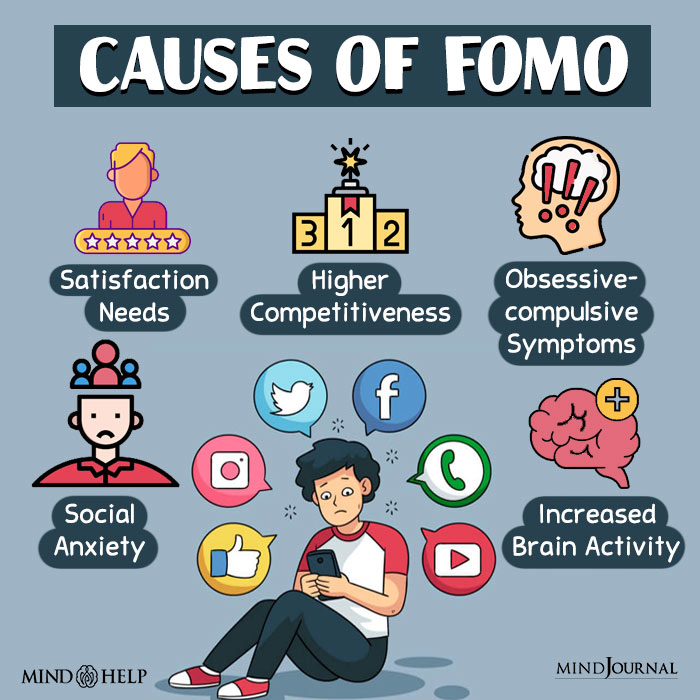
FOMO can have a significant impact on employee engagement, leading to decreased productivity, increased stress levels, and a higher likelihood of burnout. By understanding the causes and consequences of FOMO, organizations can implement strategies to manage its effects and promote a healthier, more engaged workforce. Remember, FOMO is not just a social media phenomenon – it's a workplace issue that requires attention and action.

.png?width=1200&height=627&name=IOD%20Employee%20Engagement%20Blog%20Graphic%20(1).png "FOMO at Work: The Hidden Impact of Social Media on Employee Behavior")