Connecting Dual Monitors to Your Computer: A Comprehensive Guide
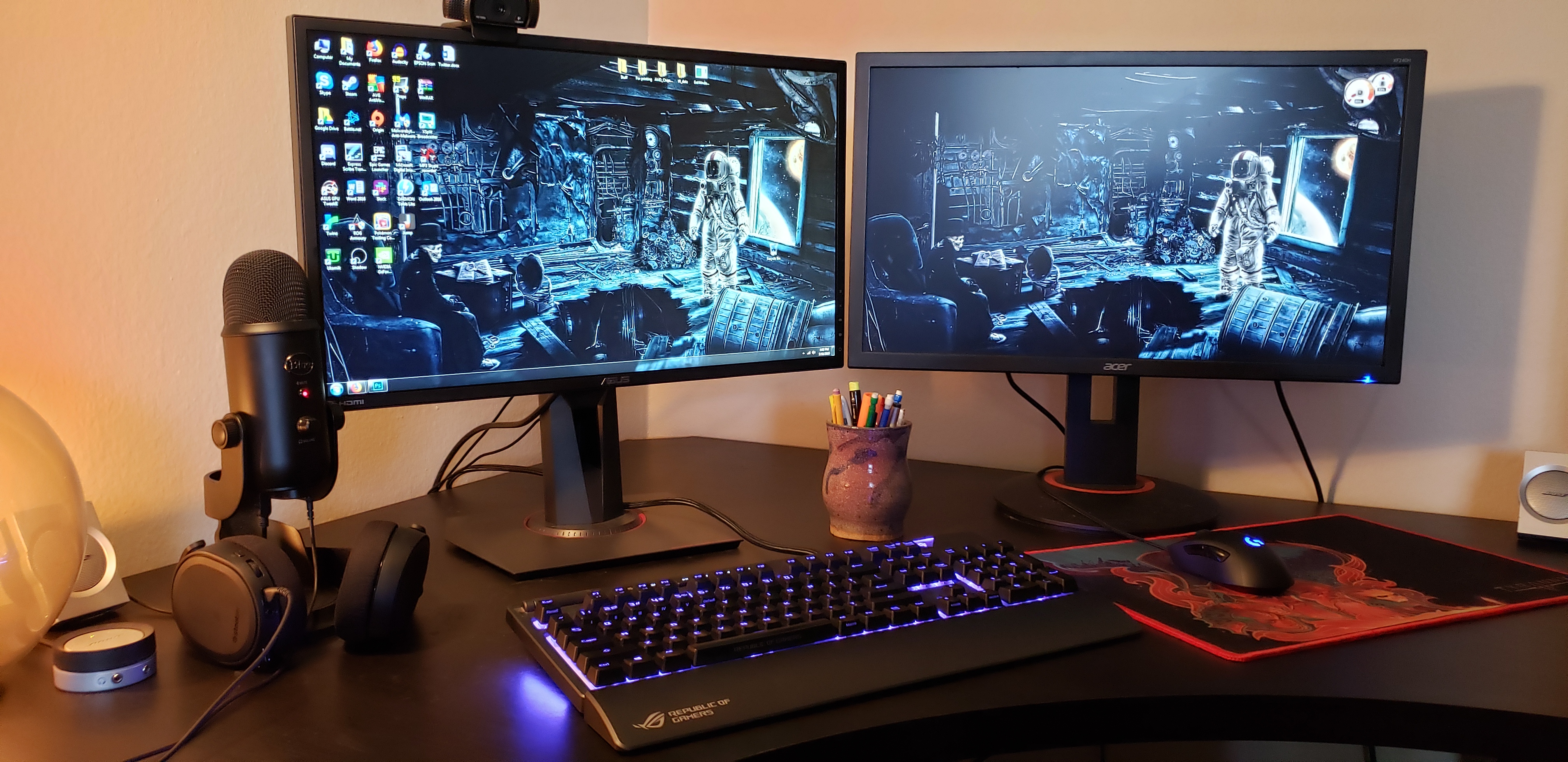
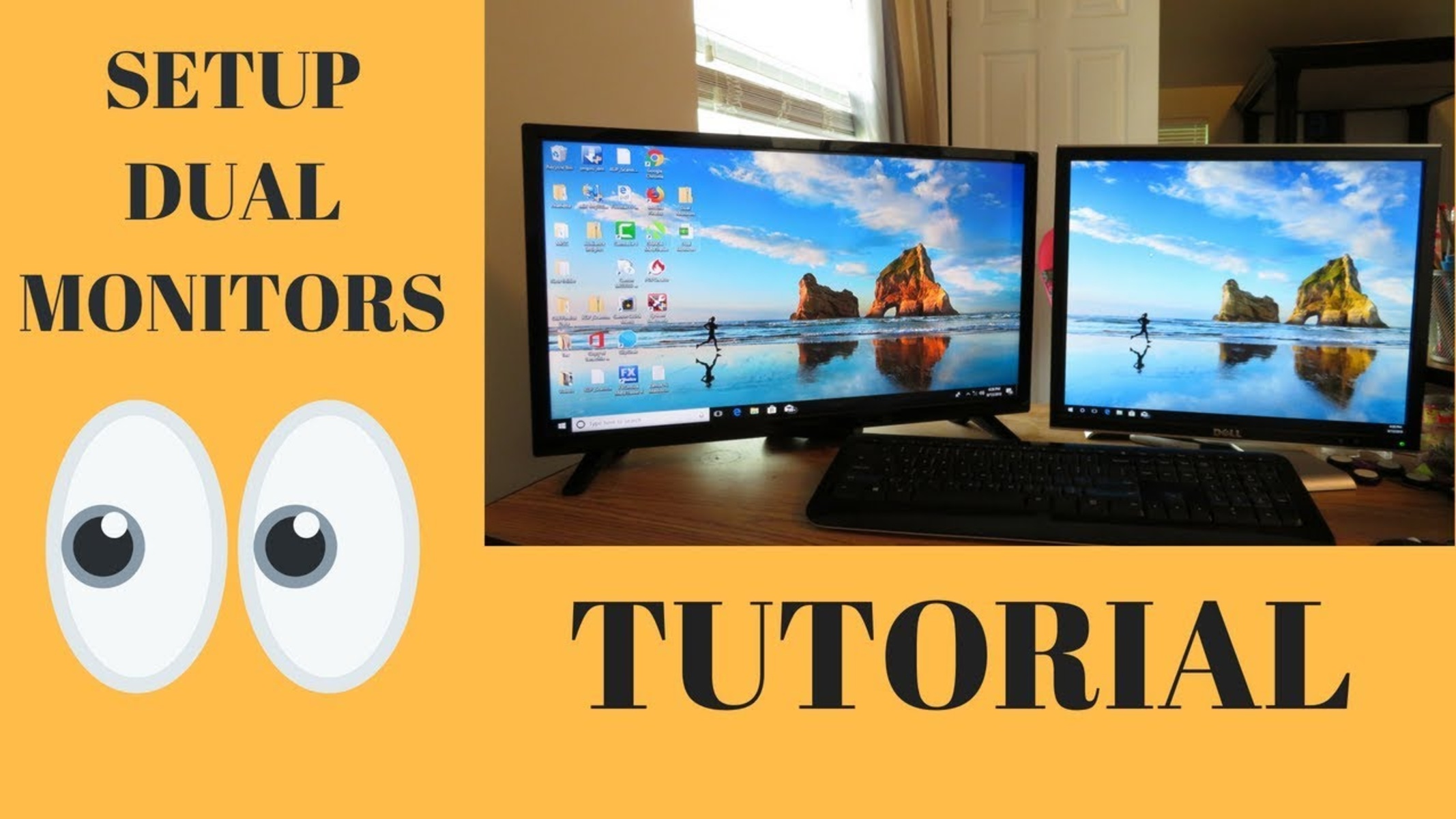
Are you looking for ways to boost your productivity, enhance your gaming experience, or simply expand your workspace with multiple screens? Connecting dual monitors to your computer is a great way to do just that. But before you can enjoy the benefits of a dual-monitor setup, you need to know how to connect multiple monitors to your computer. In this article, we'll show you the step-by-step process of setting up dual monitors on both Windows and Mac computers.
Why Connect Dual Monitors to Your Computer?
Connecting two monitors to your computer provides several benefits, including:
- Increased productivity: With two screens, you can have multiple applications and windows open at the same time, making it easier to multitask.
- Enhanced gaming experience: A dual-monitor setup provides a more immersive gaming experience, allowing you to view your game on one screen and your in-game menu or chat on the other.
- Expanded workspace: Two screens give you more space to work on multiple projects simultaneously, making it ideal for professionals who need to work on multiple tasks at the same time.
What You Need to Connect Dual Monitors
Before you start connecting your dual monitors, make sure you have the following:
- Two monitors: You can use identical monitors or a combination of different resolutions and orientations.
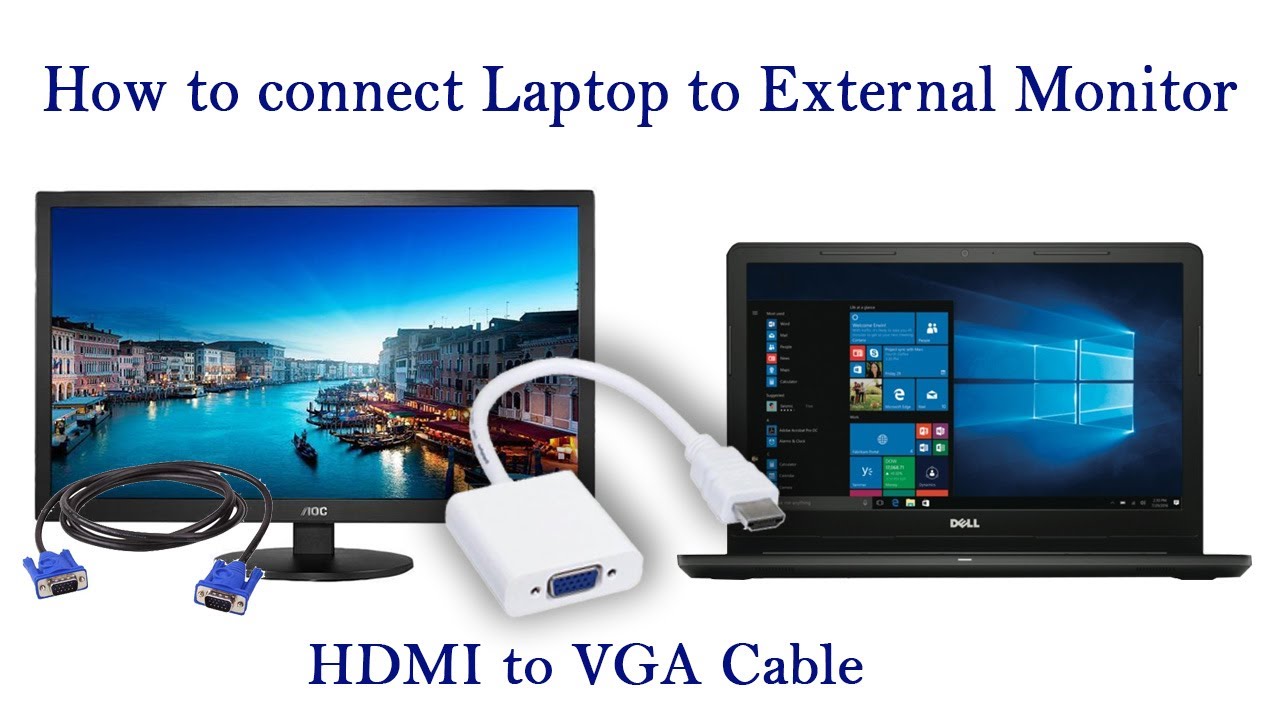
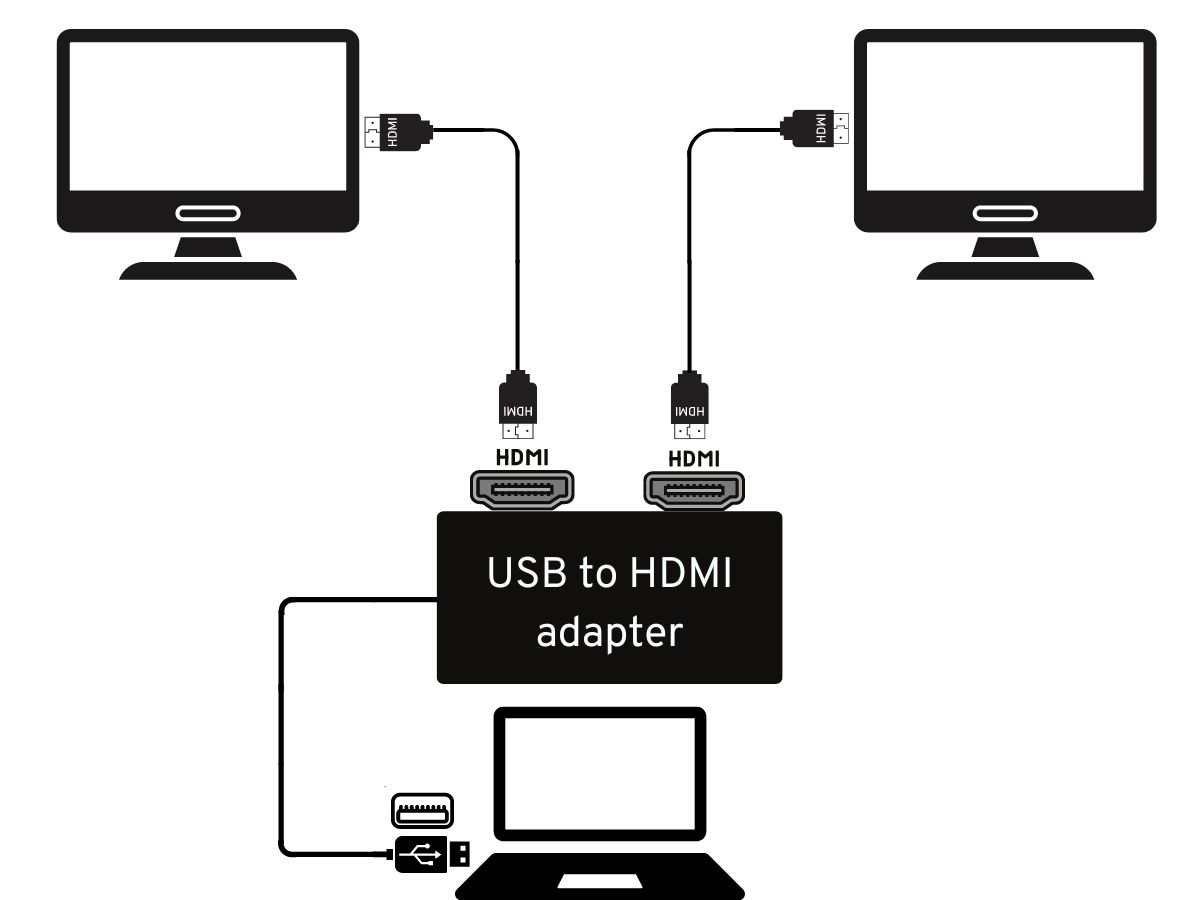
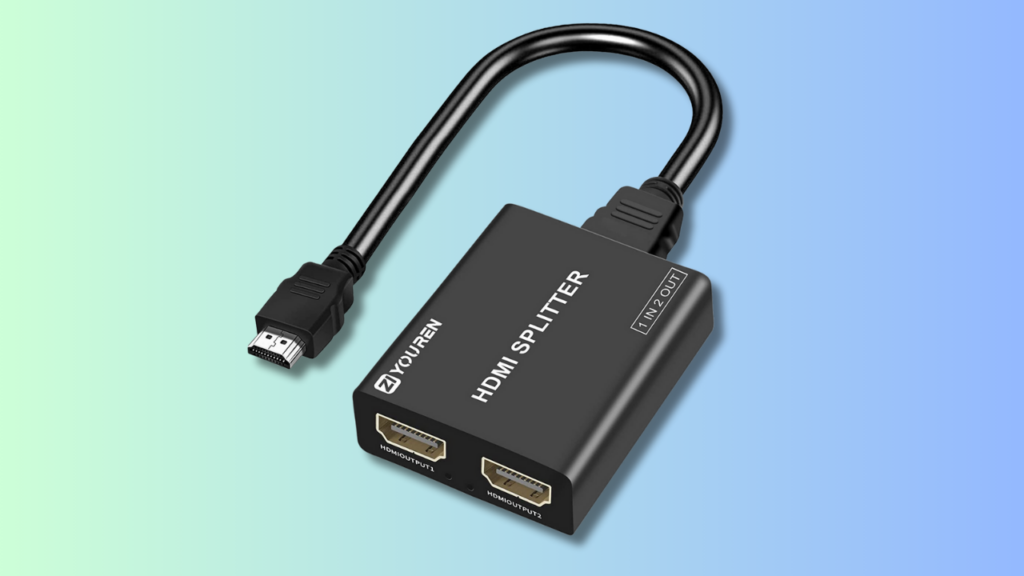
- Two video cables (HDMI, DisplayPort, or VGA): You'll need two separate video cables to connect each monitor to your computer.
- Computer with multiple video outputs: Most modern computers have multiple video outputs, including HDMI, DisplayPort, and VGA.
Step-by-Step Guide to Connecting Dual Monitors
Here's a step-by-step guide to connecting dual monitors to your computer:

Step 1: Prepare Your Workspace
Before you start connecting your dual monitors, make sure your workspace is set up how you like it. Position your monitors so that they're at eye level and facing you at an angle.
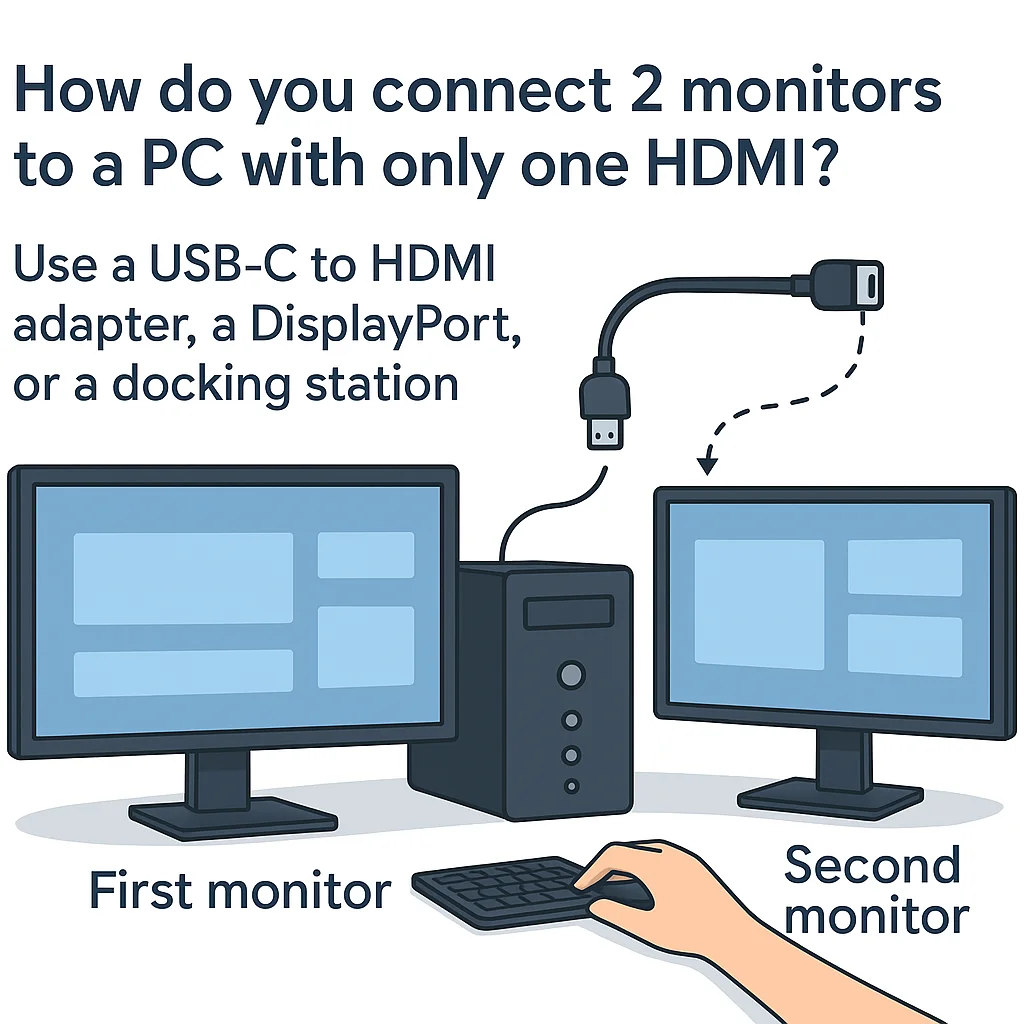
Step 2: Connect the First Monitor
Connect the first monitor to your computer using one of the video cables. Make sure the monitor is turned on and the video cable is securely plugged in.
Step 3: Connect the Second Monitor
Connect the second monitor to your computer using another video cable. Make sure the monitor is turned on and the video cable is securely plugged in.
Step 4: Identify the Monitor Connections
Step 5: Configure Your Computer's Display Settings
On your computer, go to the display settings and select the secondary monitor. You can do this by right-clicking on your desktop and selecting "Display settings" or by searching for "Display settings" in the search bar.
Step 6: Extend Your Display
Use the display settings to extend your display. This will allow you to use both monitors as separate screens. You can do this by selecting the "Extend" option in the display settings.
Common Issues When Connecting Dual Monitors
When connecting dual monitors to your computer, you may encounter some common issues, including:
- Display settings not working as expected.
- Monitor not detected by the computer.
- Display settings getting stuck.
Conclusion
Connecting dual monitors to your computer is a great way to boost your productivity, enhance your gaming experience, or simply expand your workspace. With this comprehensive guide, you should be able to set up dual monitors on both Windows and Mac computers. Remember to prepare your workspace, connect the monitors, identify the connections, configure your computer's display settings, and extend your display.